
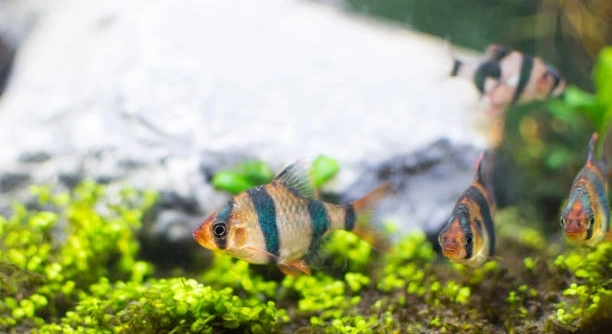
Tiger barbs are small, active fish often found in home aquariums. They are known for their lively movements and social behavior, which can sometimes include swimming in fast circles. This behavior can catch the attention of many fish owners.
Tiger barbs swim in fast circles mainly due to social interaction, territorial behavior, or excitement within their environment. This rapid swimming helps establish dominance, reduce stress, or respond to stimuli, reflecting their natural instincts and group dynamics.
Understanding why tiger barbs exhibit this behavior can help you create a better environment for them. Knowing the reasons behind their fast swimming can improve their care and overall well-being.
Understanding Tiger Barbs’ Fast Swimming Behavior
Tiger barbs are naturally active fish that enjoy constant movement. Their fast swimming often happens when they interact with other fish or explore their surroundings. In groups, these fish establish a social order by chasing and darting around. This rapid swimming is a way for them to communicate and show dominance without being aggressive. Sometimes, they swim fast when they feel stressed or startled by sudden changes, like a new fish added to the tank or a shift in water temperature. Fast swimming can also be a sign of excitement during feeding times, as they compete for food. Recognizing these patterns helps fish keepers understand their needs better and provide an environment that reduces stress. When tiger barbs have enough space to swim and hide, their fast circles are less about stress and more about playfulness and social interaction.
Their quick movements serve as communication and help maintain balance in their group.
By learning what triggers fast swimming, you can improve the tank setup. Giving tiger barbs plenty of room and hiding spots helps them feel safe. A well-planned environment lowers stress and keeps the fish active but calm. Also, monitoring water quality regularly ensures their health, as poor conditions might cause nervous behavior. Feeding at regular times with suitable food reduces competition and excitement that causes frantic swimming. This way, you can enjoy watching their lively nature without worrying about unusual behavior. Fast swimming is normal but should be observed closely for changes that might indicate discomfort or illness.
Creating a Healthy Environment for Tiger Barbs
Proper tank setup is essential to support tiger barbs’ natural behaviors. They need enough space to swim freely and explore, which helps reduce stress and aggressive interactions. Hiding spots, such as plants and decorations, offer refuge when they want to rest or avoid confrontation. This balance between open space and shelter is important for their well-being. The water quality should be kept stable, with regular testing for pH, temperature, and cleanliness to prevent health issues. A consistent feeding routine with appropriate food supports their energy needs and reduces frantic competition. These small adjustments can help tiger barbs express their lively behavior in a healthy way, making them more enjoyable to watch and easier to care for.
Tank size and structure greatly influence their behavior and stress levels.
A well-maintained tank keeps tiger barbs comfortable and active in a natural manner. Choosing a tank of at least 20 gallons allows enough swimming space for a small group, which is important because tiger barbs are schooling fish. Keeping the water between 74°F and 79°F helps maintain their health, while a slightly acidic to neutral pH is ideal. Plants like Java fern and floating varieties provide cover, breaking line of sight and reducing aggression. Regular water changes prevent waste buildup, which can otherwise lead to poor water quality and stress. When the environment supports their natural instincts, tiger barbs swim actively without excessive speed or panic. Paying attention to these details creates a peaceful aquarium where tiger barbs can thrive and display their colorful, energetic personality.
Signs That Fast Swimming May Indicate Stress
Fast swimming in tiger barbs can sometimes signal stress rather than normal activity. Look for other signs such as hiding more than usual, loss of appetite, or faded colors. These symptoms together may mean the fish is uncomfortable or unwell.
Stress in tiger barbs often results from poor water quality, overcrowding, or sudden changes in the tank environment. When stressed, their immune system weakens, making them prone to disease. It’s important to keep water parameters stable and avoid frequent disruptions. Overcrowding increases competition and aggression, causing some fish to swim rapidly to escape. Observing these behaviors helps catch problems early before they worsen.
Addressing the root causes of stress helps tiger barbs return to normal behavior. Regular water testing, maintaining appropriate fish numbers, and minimizing sudden changes create a calm habitat. Providing plants and hiding spaces allows shy or stressed fish to retreat when needed. When fish feel safe, their fast swimming becomes less frequent and more playful rather than frantic.
How Group Size Affects Swimming Patterns
Tiger barbs are schooling fish and swim better in groups of at least six or more. Smaller groups may lead to aggressive or stressed behavior, including fast swimming to escape or chase others.
In larger groups, the social order is clearer, and fish feel more secure. This reduces panic and erratic movements. The group dynamic helps distribute aggression evenly, preventing any one fish from being targeted. Swimming in circles is more about interaction and play than fear or stress in a well-sized school. Ensuring enough companions for your tiger barbs supports natural behavior and a peaceful tank atmosphere.
Tank Setup and Its Impact on Behavior
A cramped or poorly arranged tank can cause tiger barbs to swim rapidly as they try to find space or escape stress. Adequate room and proper decorations reduce this behavior.
Providing plants and hiding spots helps break the line of sight, lowering aggression and frantic swimming. A balanced setup supports calmer, more natural movements.
Feeding and Its Role in Fast Swimming
Feeding time often triggers bursts of fast swimming among tiger barbs. This behavior is linked to competition for food and excitement. Feeding small amounts regularly can help reduce frantic chasing and stress during meals.
Temperature and Water Quality Effects
Water temperature and quality directly affect tiger barbs’ activity levels. When the water is too warm or dirty, they become restless and may swim faster. Maintaining stable conditions prevents unnecessary stress and promotes healthy, steady movement.
Social Behavior and Fast Swimming
Fast swimming can also be part of normal social interaction within the group. It helps tiger barbs communicate and establish boundaries without causing harm.
FAQ
Why do tiger barbs swim in fast circles suddenly?
Sudden fast swimming often happens when tiger barbs feel excited, threatened, or stressed. Changes in the tank, like new fish, loud noises, or water disturbances, can trigger this behavior. It may also occur during feeding or social interactions when they are more active and competitive.
Is fast swimming a sign of illness in tiger barbs?
Fast swimming alone is not always a sign of illness, but if it’s paired with other symptoms like clamped fins, loss of appetite, or unusual spots, it could indicate health problems. Stress and poor water conditions can weaken their immune system, making illness more likely.
How many tiger barbs should I keep together?
Tiger barbs do best in groups of six or more. Smaller groups can increase aggression and stress, leading to excessive fast swimming or chasing. A good-sized school helps distribute social energy evenly and keeps the fish calmer overall.
What tank size is best for tiger barbs?
A tank of at least 20 gallons is recommended for a small group of tiger barbs. They need enough space to swim freely and establish social ranks. Crowded tanks can cause stress, resulting in frantic swimming and fights.
Can tank decorations reduce fast swimming?
Yes, adding plants, rocks, and hiding spots helps break up the tank visually. This reduces direct line of sight between fish, lowering aggression and stress. A well-decorated tank offers places to retreat, which calms the fish and reduces fast swimming caused by fear or stress.
Does water temperature affect tiger barbs’ activity?
Tiger barbs prefer temperatures between 74°F and 79°F. If the water is too warm, they may become more active and swim faster, sometimes showing signs of stress. Too cold water slows their movement and affects their health. Keeping temperature stable helps maintain natural behavior.
How often should I feed tiger barbs?
Feeding small amounts two to three times a day is best. Overfeeding or irregular feeding can cause competition, leading to frantic fast swimming during meal times. Balanced feeding helps reduce stress and keeps the fish healthy and active.
What should I do if tiger barbs swim fast all the time?
Constant fast swimming can indicate stress or poor conditions. Check water quality, temperature, and tank size first. Make sure there is enough space, hiding places, and the right number of fish. If conditions are good but behavior continues, watch for signs of illness and consider consulting a vet or fish expert.
Can fast swimming damage tiger barbs?
Generally, fast swimming is a natural behavior and not harmful if occasional. However, if it’s excessive due to stress or aggression, it can cause fatigue or injury. Ensuring a healthy environment reduces risks and helps maintain their well-being.
How do I calm stressed tiger barbs?
Improving water quality, maintaining proper temperature, providing enough space, and adding hiding spots are key steps. Keeping a stable routine and avoiding sudden changes reduces stress. Sometimes adding more tiger barbs to form a proper school also helps calm them down.
Tiger barbs are lively fish known for their quick movements and social nature. Their fast swimming in circles can mean different things depending on the situation. Often, this behavior is a normal way they interact with each other or explore their environment. When they swim quickly, they might be showing excitement, establishing social order, or simply playing. However, it’s important to pay attention to the context of their movements. Fast swimming can also be a sign that something in their tank needs attention, such as stress or discomfort.
A well-maintained tank helps keep tiger barbs healthy and happy. This means providing enough space for them to swim freely and setting up the tank with plants or decorations that offer hiding spots. Water quality plays a big role too. Regular cleaning and stable water conditions reduce stress and prevent illness. Feeding them the right amount of food on a consistent schedule also helps calm their behavior during meal times. When these needs are met, tiger barbs tend to swim actively but without signs of distress. Watching their natural behaviors in a calm environment can be very rewarding.
Understanding the reasons behind fast swimming can improve how you care for tiger barbs. By observing their behavior and maintaining a good tank environment, you can reduce unwanted stress and help them thrive. Each fish is different, so sometimes small adjustments in tank size, group number, or water conditions make a big difference. With patience and attention, you’ll see more balanced, lively movements that show your tiger barbs are comfortable and well cared for. This makes the aquarium a peaceful place where their vibrant personalities can shine.

Hello,
If you enjoy the content that we create, please consider saying a "Thank You!" by leaving a tip.
Every little bit helps us continue crafting quality advice that supports the health, happiness, and well-being of pets around the world, for pets of all shapes, sizes, and species.
We really appreciate the kindness and support that you show us!