
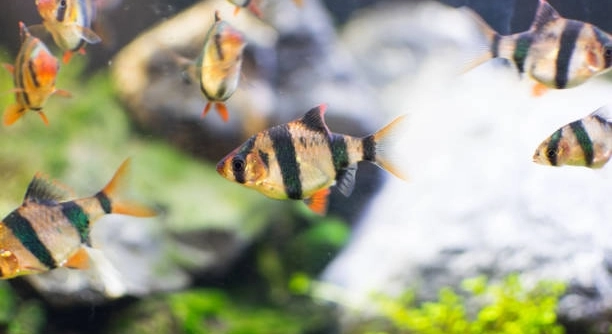
Barb tanks can sometimes experience tension that affects their well-being and the harmony of the aquarium. Managing this tension is important for the health and balance of the fish. Understanding simple ways to reduce stress can improve their environment.
Reducing barb tank tension involves maintaining proper tank conditions, ensuring enough space, providing hiding spots, keeping compatible species together, feeding a balanced diet, regular water changes, and minimizing sudden disturbances. These steps create a stable and peaceful habitat for the fish.
Applying these strategies helps keep your barb tank calm and enjoyable. Small changes can make a big difference in maintaining a healthy aquatic community.
Maintain Proper Tank Conditions
Keeping the water clean and at the right temperature is key to reducing tension in a barb tank. Barbs are sensitive to poor water quality, which can cause stress and aggression. Regular testing of pH, ammonia, nitrite, and nitrate levels helps keep the water safe for your fish. The ideal temperature for most barb species is between 74°F and 79°F (23°C to 26°C). Using a reliable heater and thermometer makes this easier. It’s also important to have good filtration that moves the water gently without creating strong currents. Clean water and stable conditions reduce stress, helping the fish to behave calmly and stay healthy.
Clean water encourages a peaceful environment, making the tank a better home for barbs and other fish.
Proper tank conditions create a solid foundation for reducing tension. Consistent maintenance avoids sudden changes that could upset your barbs. It’s best to schedule weekly partial water changes of 20-30% to remove waste and toxins. Avoid overfeeding, which can pollute the tank quickly. Using a high-quality filter designed for your tank size keeps water clear and oxygenated. Make sure the tank is cycled before adding barbs to establish beneficial bacteria that break down harmful substances. All these steps help maintain a stable and healthy habitat where barbs feel secure and less prone to conflict.
Provide Enough Space and Hiding Spots
Barbs need enough room to swim freely and places to hide when they feel threatened.
When tanks are overcrowded, barbs become stressed and more likely to fight. A minimum of 20 gallons is recommended for small barb groups, but larger tanks are better for more fish. Adding plants, rocks, and decorations creates hiding spots where barbs can escape aggression and feel safe. These hiding places reduce tension by offering shelter and breaking lines of sight between aggressive individuals. It also mimics their natural habitat, which helps them relax and behave more peacefully. By giving barbs plenty of space and shelter, you encourage a calmer, more balanced tank environment where all fish can thrive.
Keep Compatible Species Together
Barbs can be aggressive, especially when housed with smaller or slow-moving fish. Choosing compatible tank mates reduces stress and fighting. Avoid mixing barbs with timid or slow fish that may become targets.
Compatibility matters because different fish have varying temperaments and activity levels. Barbs are active swimmers and may nip fins, so selecting other robust, similarly sized fish helps maintain harmony. For example, danios and larger tetras usually coexist well with barbs. Avoid keeping them with long-finned species like angelfish or bettas, as this can increase tension. Proper pairing reduces aggression and creates a peaceful tank dynamic.
Ensuring your barbs live with suitable companions promotes balanced social behavior. Observing interactions and making changes if conflicts arise helps maintain a calm tank environment. This approach supports overall health and happiness for all fish in the aquarium.
Feed a Balanced Diet
Feeding barbs the right food keeps them healthy and less aggressive. A balanced diet supports their energy and reduces competition over food.
Barbs thrive on a mix of high-quality flakes or pellets, supplemented with live or frozen foods like bloodworms, brine shrimp, and daphnia. Including some vegetable matter, such as blanched spinach or peas, provides fiber and variety. Feeding small amounts 2-3 times a day prevents overeating and keeps water quality stable. Uneaten food can pollute the tank and cause stress, so remove leftovers promptly. Consistent feeding routines help reduce food-related tension and promote peaceful coexistence.
Healthy barbs are more likely to exhibit calm and friendly behavior. Providing a nutritious and varied diet is a simple way to improve tank harmony while supporting their natural needs.
Regular Water Changes
Performing regular water changes keeps the tank environment stable and reduces stress. It removes toxins and maintains water quality, which helps barbs stay calm and healthy.
Changing 20-30% of the water weekly is a good rule of thumb. This prevents harmful buildup and keeps parameters steady.
Minimize Sudden Disturbances
Barbs react badly to loud noises, rapid movements, or sudden changes in lighting. These disturbances increase tension and stress.
Keeping the tank in a quiet, low-traffic area helps reduce sudden shocks. Gradually adjusting lights and avoiding tapping on the glass also keeps fish calm.
Monitor Fish Behavior
Watching your barbs regularly helps catch early signs of tension or illness. Prompt action can prevent bigger problems in the tank.
FAQ
How can I tell if my barbs are stressed or tense?
Barbs showing signs of stress often swim erratically, hide more than usual, or display aggression toward each other. You might notice torn fins or missing scales from fights. Loss of appetite and faded colors are also common signs. Monitoring these behaviors early helps you address tension before it worsens.
What tank size is best for keeping barbs peaceful?
A tank of at least 20 gallons is recommended for a small group of barbs. Larger tanks allow more space for swimming and reduce territorial disputes. Overcrowding increases stress and aggression, so providing enough room is essential for a peaceful environment.
Are there specific types of barbs that are less aggressive?
Some barb species, like Cherry Barbs, tend to be less aggressive compared to Tiger or Tinfoil Barbs. Choosing peaceful species or mixing with other calm fish can help reduce overall tension in the tank.
How many barbs should I keep together?
Barbs are schooling fish and should be kept in groups of at least six. Keeping them in a proper group size distributes aggression and encourages natural social behavior, which lowers tension.
Can changing the tank decorations help reduce fighting?
Yes, adding plants, rocks, and caves provides hiding spots and breaks sight lines, which reduces aggression. Rearranging decorations periodically can also disrupt established territories and prevent dominant fish from bullying others.
Is water temperature important for barb behavior?
Yes, keeping the temperature stable between 74°F and 79°F helps barbs stay healthy and calm. Sudden temperature changes cause stress and can trigger aggressive behavior. Using a heater and thermometer keeps the tank stable.
How often should I feed my barbs to avoid tension?
Feeding small amounts two to three times daily works best. Overfeeding leads to water pollution, which stresses fish. Underfeeding can increase competition and aggression. Consistent feeding routines support calm behavior.
What should I do if one barb is bullying the others?
If a single fish is aggressive, try separating it temporarily or adding more hiding spaces. Sometimes adding more barbs to balance the group helps. Monitor closely and consider rehoming overly aggressive fish to protect the group.
Can poor water quality cause barb fights?
Absolutely. Dirty or unbalanced water conditions stress barbs and increase aggression. Regular testing and maintenance keep water parameters safe and reduce tension.
Are there any plants that work best for barb tanks?
Hardy plants like Java fern, Anubias, and Amazon sword are good choices. They withstand nibbling and provide excellent cover, which helps barbs feel secure and less aggressive.
How do I cycle a new barb tank properly?
Cycling establishes beneficial bacteria that break down waste. Start with an empty tank and add a source of ammonia, either fish food or pure ammonia. Test water regularly until ammonia and nitrite drop to zero. This process takes 4-6 weeks before adding fish safely.
Can barbs live peacefully with bettas or angelfish?
Generally, no. Barbs are active and may nip the long fins of bettas and angelfish, causing stress and injury. It’s best to keep barbs with similarly sized, fast-moving fish to avoid conflict.
What signs show that my tank is overcrowded?
Frequent chasing, constant hiding, and increased aggression indicate overcrowding. Also, water quality may decline faster, and fish might look stressed or thin. Providing enough space is key to preventing these issues.
How important is lighting for barb tanks?
Moderate lighting helps plants grow and maintains a natural day-night cycle for fish. Too bright or sudden changes in lighting can stress barbs, so using timers for consistent lighting helps keep the environment calm.
Is it okay to mix different barb species?
Mixing some barb species can work if they have similar temperaments and size. However, more aggressive species should be kept separate to avoid fighting. Research each species’ behavior before combining them.
What is the best filter for a barb tank?
A filter that provides good mechanical and biological filtration without creating strong currents is ideal. Sponge filters or canister filters with adjustable flow rates work well to keep water clean and barbs comfortable.
Final Thoughts
Keeping barbs happy and calm in a tank takes attention to several important details. Each step, from maintaining clean water to choosing the right tank mates, plays a part in reducing tension. Barbs are active fish that need space to swim and places to hide when they feel stressed. Providing a well-balanced diet and a stable environment helps prevent aggressive behavior and promotes harmony in the aquarium. By understanding their needs and habits, you create a more peaceful home where barbs can thrive.
Regular care and observation are key to managing barb tank tension. Watching how the fish interact and noticing any changes in behavior early on can prevent problems from growing. Small adjustments, like adding plants or rearranging decorations, can make a big difference. Keeping up with water testing and regular changes also helps keep the environment safe and stable. These habits not only improve the health of your barbs but also reduce stress for everyone in the tank.
Ultimately, creating a calm barb tank is about balance. Avoid overcrowding and keep species compatible to reduce conflict. Remember that sudden changes or loud noises can upset barbs, so keeping the tank in a quiet place is helpful. With patience and consistent care, you can enjoy a lively but peaceful tank. Your barbs will show less tension and more natural, happy behavior, making the aquarium a pleasant part of your home.

Hello,
If you enjoy the content that we create, please consider saying a "Thank You!" by leaving a tip.
Every little bit helps us continue crafting quality advice that supports the health, happiness, and well-being of pets around the world, for pets of all shapes, sizes, and species.
We really appreciate the kindness and support that you show us!