
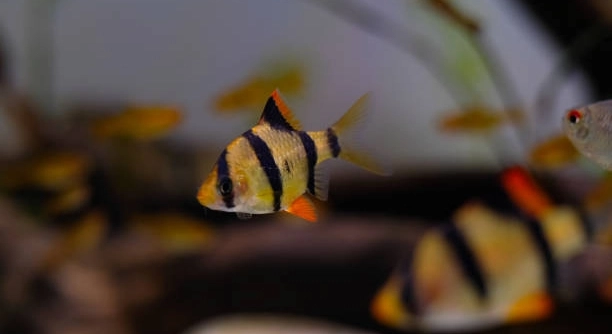
Tiger barbs are popular aquarium fish known for their vibrant colors and lively nature. Sometimes, owners notice unusual or strange behavior that seems out of the ordinary. Understanding these behaviors can help keep your fish healthy and happy.
Tiger barbs may show odd behavior due to stress, environmental changes, or social dynamics within the tank. Factors such as water quality, tank mates, and insufficient space often contribute to these behavioral shifts. Proper care and observation are key to managing their well-being.
Learning what causes these behaviors can improve your experience as a fish owner and promote a healthier environment for your tiger barbs.
Causes of Odd Behavior in Tiger Barbs
Tiger barbs may act strangely when they feel stressed or uncomfortable. One common cause is poor water quality. If the water is dirty or has wrong levels of chemicals like ammonia or nitrites, fish will become uneasy. Sudden changes in water temperature or pH can also affect their behavior. Another factor is overcrowding. Tiger barbs are active and need enough space to swim freely. When the tank is too small or too full, they may become aggressive or hide more often. Social dynamics matter, too. These fish live in groups and rely on a stable hierarchy. Introducing new fish or mixing species that don’t get along can lead to odd or aggressive behavior. Watching their tank carefully can help spot these problems early. Fixing water issues and giving them the right environment usually calms their behavior down.
Tank conditions and social setup play a big role in how tiger barbs behave overall.
Proper care and tank management can prevent many behavior problems.
How to Improve Your Tiger Barbs’ Behavior
To help your tiger barbs feel better, start by checking water quality regularly. Use a test kit to measure ammonia, nitrites, nitrates, and pH levels. Make sure the water temperature stays consistent, usually between 74 and 78°F. Avoid sudden changes. Keep the tank clean by doing partial water changes every week and removing leftover food. Provide enough space—ideally, at least 20 gallons for a small group. A group of six or more tiger barbs reduces aggression, as they spread out attention and keep each other busy. Avoid mixing tiger barbs with very slow or delicate fish since they can nip fins. Add hiding spots with plants or decorations to give your fish places to rest when stressed. With the right setup and care, your tiger barbs will act more natural and lively. Regular attention to their environment can make a big difference in their behavior and health.
Recognizing Stress Signs in Tiger Barbs
Stress in tiger barbs shows through changes in color, hiding more often, and loss of appetite. They may also swim erratically or become aggressive toward tank mates. Noticing these signs early helps prevent serious health issues.
Stress can weaken their immune system, making them more vulnerable to disease. Poor water conditions or an unstable tank environment are common causes. A stressed fish may develop faded colors or torn fins from fighting. Sometimes they stop eating or rest near the surface or bottom of the tank. Keeping the tank clean, stable, and comfortable lowers stress levels. Offering plenty of swimming space and hiding spots reduces anxiety. Observing your fish daily lets you catch problems quickly before they worsen. Regular care and attention help keep tiger barbs healthy and active.
A calm environment with good water quality is key to reducing stress and encouraging normal behavior.
Social Behavior and Tank Mates
Tiger barbs are schooling fish and prefer to live in groups of at least six. Being in smaller numbers can cause them to act skittish or aggressive. Proper social structure helps balance their behavior.
Choosing compatible tank mates is important. Avoid slow-moving or long-finned fish since tiger barbs may nip their fins. Good companions include other active species that can keep up, like danios or rasboras. Avoid overcrowding to reduce competition and stress. Introducing new fish gradually allows the group to adjust and establish social order. Watching their interactions helps you spot any bullying or fighting early on. Creating a peaceful community tank supports healthy social behavior and reduces odd or aggressive actions. Ensuring the right group size and tank mates keeps your tiger barbs happier and more balanced.
Feeding Habits and Odd Behavior
Tiger barbs may act restless or more aggressive if they are hungry or not fed properly. Feeding the right amount on a regular schedule helps keep their behavior stable.
Overfeeding can also cause problems like poor water quality and lethargy. Balanced feeding supports their health and activity.
Environmental Enrichment and Its Effects
Providing a stimulating environment with plants, hiding spots, and open swimming areas encourages natural behavior in tiger barbs. A varied environment prevents boredom and reduces stress. Simple additions like driftwood or smooth rocks can create a more comfortable space where fish feel secure and display normal social interactions.
When to Seek Help
If odd behaviors persist despite proper care, consulting a vet or aquarium specialist is advised.
FAQ
Why do my tiger barbs nip at each other?
Nipping is common in tiger barbs because they are active and sometimes aggressive fish. It often happens when there aren’t enough fish in the group, causing them to focus aggression on each other. Overcrowding or a lack of hiding spots can also increase nipping. To reduce this, keep at least six tiger barbs together, provide plenty of space, and add plants or decorations for hiding. If nipping continues, check water quality and tank conditions, as stress can make behavior worse.
What does it mean if my tiger barbs stop eating?
Loss of appetite can be a sign of stress, illness, or poor water conditions. Sometimes sudden changes in the tank or introducing new fish cause them to stop eating temporarily. It’s important to test water parameters and look for signs of disease like spots, swelling, or unusual swimming. Offering varied, high-quality food may help stimulate their appetite. If the problem lasts more than a few days, a vet or aquarium expert should be consulted.
How can I tell if my tiger barbs are stressed?
Stress signs include faded colors, hiding more than usual, clamped fins, erratic swimming, and loss of appetite. Stress lowers their immune system, making them vulnerable to illness. Causes often include poor water quality, temperature changes, aggressive tank mates, or overcrowding. Regular water testing, stable temperature, and proper tank mates help reduce stress. Adding plants and hiding spaces also gives them places to feel safe.
Is it normal for tiger barbs to chase other fish?
Yes, chasing is natural for tiger barbs since they are active and curious. They may chase other fish to establish dominance or during play. However, constant chasing or fin-nipping can harm other fish, especially slower or long-finned species. To prevent this, keep tiger barbs in groups of six or more and avoid mixing them with very peaceful or delicate fish. Providing enough space and hiding spots helps reduce aggressive chasing.
How often should I clean my tiger barb tank?
Partial water changes of about 20-25% every week keep the water clean and safe. Avoid full tank cleanings too often, as this can disturb beneficial bacteria. Regularly check filter performance and remove uneaten food or debris. Maintaining good water quality prevents stress and odd behavior in your fish.
Can lighting affect tiger barb behavior?
Yes, lighting impacts their daily cycle and stress levels. Too bright or constant light can make them nervous, while too little light can affect their activity. A natural day-night cycle with about 8-10 hours of light is best. Using a timer helps keep lighting consistent. Plants and decorations can also provide shaded areas for comfort.
Why are my tiger barbs hiding all the time?
Frequent hiding may mean they feel stressed or threatened. Causes include aggressive tank mates, sudden changes, or poor water quality. Sometimes they hide during illness or after adding new fish. Make sure water parameters are stable, reduce stressors, and provide enough hiding places. If hiding continues, check for health issues.
What is the ideal tank size for tiger barbs?
A minimum of 20 gallons is recommended for a small group of six tiger barbs. They are active swimmers and need space to reduce aggression. Larger tanks allow for better social dynamics and more stable water conditions. Overcrowding leads to stress and odd behavior, so avoid small or crowded tanks.
Can temperature changes cause odd behavior?
Yes, sudden temperature swings stress tiger barbs and can cause lethargy or erratic swimming. Keeping the tank temperature steady between 74 and 78°F is important. Use a reliable heater and thermometer to maintain stable conditions.
How do I introduce new fish to a tiger barb tank?
Introduce new fish slowly by quarantining them first to prevent disease. Add new fish during the evening or when the tank lights are off to reduce stress. Watch interactions closely for signs of aggression or bullying. Having a stable group of tiger barbs helps new fish adjust faster. Provide extra hiding spots during introductions.
Tiger barbs are lively and colorful fish that bring energy to any aquarium. However, they can sometimes show odd behaviors that worry their owners. These behaviors often have clear causes, such as changes in water quality, stress from the tank environment, or social dynamics within the group. Understanding these causes helps us take better care of our fish and create a healthier living space for them. Paying attention to the water conditions, feeding habits, and tank mates can prevent many problems before they start.
Creating a stable and comfortable environment is key to keeping tiger barbs calm and active. This means regularly testing the water to make sure levels of ammonia, nitrites, and nitrates are safe. It also involves keeping the temperature steady and providing enough room for swimming. Tiger barbs are social fish, so keeping them in groups of six or more reduces aggression and odd behaviors. Adding plants and hiding spots in the tank offers places for them to rest and feel secure. Feeding a balanced diet on a schedule also supports their health and behavior. All these factors combined help your fish thrive.
Even with good care, occasional odd behaviors may appear. If unusual actions persist, it’s important to watch closely for signs of illness or stress. Sometimes a consultation with an aquarium specialist or vet is necessary to find the right solution. With patience and attention, most behavior issues can be managed effectively. Remember that your care directly impacts your fish’s well-being, so staying informed and responsive is the best way to enjoy a lively, healthy group of tiger barbs.

Hello,
If you enjoy the content that we create, please consider saying a "Thank You!" by leaving a tip.
Every little bit helps us continue crafting quality advice that supports the health, happiness, and well-being of pets around the world, for pets of all shapes, sizes, and species.
We really appreciate the kindness and support that you show us!