
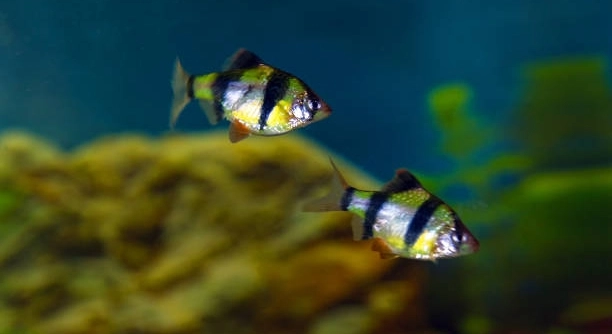
Tiger barbs are lively and colorful fish that brighten many home aquariums. Feeding them properly is essential to keep them healthy and active. Creative feeding methods can also enhance their environment and behavior.
Providing a varied diet with creative feeding ideas promotes natural foraging behavior and improves tiger barbs’ overall well-being. Using different food types and presentation styles helps stimulate their appetite and prevents boredom in captivity.
Exploring creative feeding techniques can make caring for tiger barbs more rewarding and enjoyable for both fish and owner.
Floating Food for Tiger Barbs
Floating foods like flakes or pellets are common and easy to use. They allow tiger barbs to feed at the water surface, which matches their natural feeding habits. Many floating options are nutritionally balanced, providing essential proteins and vitamins. Using floating food encourages active swimming, as tiger barbs dart to catch their meals. It also helps owners monitor their fish during feeding time, making it easier to notice any health issues. However, uneaten food can lead to water quality problems, so portion control is important. Offering a small amount a few times a day keeps the tank clean and the fish well-fed.
Floating foods are practical and convenient for daily feeding. They support the health of tiger barbs when fed properly and in moderation.
To keep tiger barbs interested, try varying floating food brands or shapes. Combining these with other feeding methods enriches their environment and promotes natural behaviors. This variation also helps prevent dietary deficiencies and keeps the fish curious about mealtime. Regular observation ensures they receive the right amount and maintain good health.
Live and Frozen Foods
Live and frozen foods are excellent for tiger barbs’ diet. These include brine shrimp, daphnia, bloodworms, and mosquito larvae. They provide high protein content, which supports growth, color, and vitality. Offering these foods mimics the fish’s natural hunting instincts. Feeding live or frozen items occasionally prevents monotony and encourages activity. Handling and storing these foods correctly preserves their nutritional value and safety. Live foods require a bit more preparation but greatly benefit tiger barbs’ health. Frozen options are convenient and readily available in most pet stores, offering a practical alternative.
Incorporating live or frozen foods into the diet enhances nutrition and stimulates natural behaviors.
Using live or frozen foods regularly enriches the diet but should complement, not replace, staple dry foods. Vary the types offered to cover different nutritional needs. Watch how tiger barbs respond to new foods and adjust portions to avoid overfeeding. These foods also encourage social interaction during feeding times, as tiger barbs compete or play while hunting. Proper hygiene when handling reduces the risk of introducing contaminants into the aquarium. Balancing feeding variety ensures tiger barbs remain strong, healthy, and visually vibrant.
Would you like me to continue with the next sections?
Vegetable Treats for Tiger Barbs
Vegetables provide important nutrients and variety to tiger barbs’ diet. Common choices include blanched spinach, zucchini, and peas. These add fiber and vitamins that support digestion and overall health. Regular vegetable treats help maintain a balanced diet.
Blanching vegetables softens them, making it easier for tiger barbs to eat. Peas, when peeled and softened, can help prevent constipation, a common issue in aquarium fish. Zucchini and spinach should be fresh and washed thoroughly before feeding to remove pesticides or dirt. Adding vegetables two to three times a week offers dietary fiber and minerals that dry or protein-rich foods may lack. This also diversifies the diet, helping to avoid nutritional gaps and boredom.
Introducing vegetables gradually helps tiger barbs adjust to new flavors and textures. Some fish may be hesitant at first but often learn to accept these treats. Observing how they respond allows adjustments in portion size and frequency. Vegetables can be offered alongside protein foods, creating a varied and healthy feeding routine. Always remove uneaten vegetables after a few hours to prevent water contamination.
Feeding with Feeding Rings
Feeding rings help contain floating food, reducing waste and keeping the tank cleaner. They keep food near the surface, making it easier for tiger barbs to find and eat. This method encourages focused feeding and reduces mess.
Feeding rings are simple devices that float on the aquarium surface. They limit food spread and prevent it from dispersing all over the tank. This helps keep uneaten food from sinking and decomposing on the substrate, which can harm water quality. Using a feeding ring allows better portion control and reduces feeding waste, improving tank maintenance. It also encourages fish to gather in one area, making feeding time more efficient.
In addition to cleaner feeding, feeding rings can support social behavior by grouping tiger barbs together. This can reduce stress during feeding and encourage natural competition. Rings come in different sizes and materials, so choosing one that fits your tank is important. Regular cleaning of the ring prevents buildup of food residues. Feeding rings are practical tools that improve feeding management for both fish and owner.
Sinking Foods for Tiger Barbs
Sinking foods provide nutrition to tiger barbs that swim at lower levels. These include sinking pellets and wafers. They offer variety and reach fish that prefer bottom feeding.
These foods support a balanced diet by targeting different feeding behaviors. Sinking foods often contain ingredients that slowly release nutrients as they descend, helping fish access food at various tank depths.
Using Feeding Toys and Puzzles
Feeding toys and puzzles challenge tiger barbs mentally and physically. They simulate natural foraging behavior by making fish work for their food. These devices can reduce boredom and stress by adding stimulation to feeding time. Feeding puzzles vary in complexity and design, often requiring fish to nudge, chase, or manipulate parts to release food. They encourage active swimming and improve problem-solving skills, benefiting both health and behavior. These tools also promote natural instincts and can be introduced gradually to allow fish to learn how to interact with them effectively.
Portion Control Tips for Tiger Barbs
Overfeeding can harm water quality and fish health. Feeding small portions multiple times daily is best. This prevents waste buildup and keeps fish energetic.
FAQ
What should I feed tiger barbs daily?
A balanced daily diet for tiger barbs includes high-quality flakes or pellets as a staple. These provide essential proteins and nutrients. Supplement this with live or frozen foods like brine shrimp or bloodworms a few times a week to add variety and boost health. Including vegetable treats such as blanched peas or spinach two to three times weekly supports digestion and adds fiber. Feeding small amounts two to three times per day helps maintain water quality and keeps your fish active.
How often should I feed tiger barbs?
Feeding tiger barbs two to three times daily is ideal. Giving small portions prevents leftover food from polluting the aquarium. Overfeeding can cause health problems and poor water conditions. Frequent, controlled feedings also stimulate natural foraging behavior, keeping the fish energetic and engaged. Monitor how much your fish eat within five minutes and adjust portions accordingly to avoid waste.
Can tiger barbs eat vegetables?
Yes, tiger barbs benefit from vegetables like peas, zucchini, and spinach. These should be blanched to soften them before feeding. Vegetables add fiber to their diet, which helps prevent constipation. Introduce vegetables gradually to ensure your fish accept them. Remove any uneaten portions after a few hours to maintain water quality. Vegetables provide vitamins and minerals not found in protein-rich foods, balancing their diet.
Are live foods necessary for tiger barbs?
Live foods are not strictly necessary but are highly beneficial. They offer natural protein and help stimulate hunting instincts. Foods like brine shrimp, daphnia, and mosquito larvae encourage activity and improve color vibrancy. Frozen foods are a convenient alternative that retain much of the nutritional value. Use live or frozen foods as supplements, not as the main diet. Proper storage and hygiene are important when handling these foods to avoid introducing pathogens.
What are the risks of overfeeding tiger barbs?
Overfeeding leads to excess waste, which deteriorates water quality and increases toxins like ammonia and nitrites. This can cause stress, illness, and shorter lifespan in fish. Excess food also encourages algae growth and requires more frequent tank cleaning. Overfeeding may lead to obesity and digestive issues in tiger barbs. Feeding controlled portions helps maintain a healthy aquarium environment and keeps fish in good condition.
How can I make feeding more interesting for tiger barbs?
Using feeding rings, toys, and puzzles adds variety and mental stimulation. Different food types—floating, sinking, live, or frozen—also keep feeding time engaging. Offering vegetables and changing presentation styles encourage natural foraging behaviors. Feeding devices promote physical activity and reduce boredom. Regularly varying feeding methods supports fish welfare and creates a livelier tank environment.
Is it okay to feed tiger barbs only flakes?
Feeding flakes alone can meet basic nutritional needs but lacks variety and enrichment. Relying solely on flakes may cause nutritional gaps and reduce natural behaviors. Adding live, frozen, or vegetable foods improves health and vitality. Diversity in diet supports stronger immune systems and better coloration. Flakes are convenient but work best when combined with other food types.
How do I store live and frozen foods?
Live foods should be kept in aerated containers with clean water, changed regularly to maintain freshness. Avoid overcrowding to reduce stress and disease. Frozen foods must be stored in a freezer and thawed properly before feeding. Use thawed food quickly to prevent spoilage. Always inspect food quality before offering it to fish. Proper storage preserves nutritional value and prevents contamination.
Can feeding toys cause stress?
Feeding toys usually reduce stress by providing enrichment, but they should be introduced gradually. Some fish might be hesitant at first. Observe how tiger barbs react and avoid forcing interaction. If fish show signs of stress, remove toys and reintroduce them slowly over time. Toys work best when feeding is varied and paced according to fish comfort.
How much food is too much?
Feed only what tiger barbs can consume within five minutes. Excess food that remains after this time is likely too much. Small portions prevent waste buildup and health problems. Watch your fish closely during feeding and adjust amounts if food consistently goes uneaten. Keeping portions controlled maintains a healthy tank and energetic fish.
Final thoughts on feeding tiger barbs focus on the importance of balance and variety. A well-rounded diet helps keep these fish healthy, active, and vibrant. Using different types of food, such as flakes, live or frozen items, and vegetables, provides the nutrients they need. Feeding should be done in controlled portions to avoid water pollution and health issues. Paying attention to what your fish prefer and how they respond will guide you in adjusting their diet over time.
Feeding methods also play a role in the well-being of tiger barbs. Using tools like feeding rings or puzzles can make mealtime more engaging for the fish. These approaches encourage natural behaviors and reduce boredom, which benefits their mental and physical health. It is important to keep the tank clean by removing uneaten food and monitoring feeding habits closely. Healthy feeding practices contribute not only to the longevity of your tiger barbs but also to the overall quality of the aquarium environment.
Consistency matters when caring for tiger barbs through their diet. Regular feeding schedules with varied food types help maintain their health and vitality. Introducing new foods gradually allows fish to adjust without stress. Keeping a close watch on their behavior and appearance helps detect any early signs of health problems. By focusing on balanced nutrition, clean feeding habits, and enriching feeding routines, you create a stable and enjoyable environment for your tiger barbs to thrive.

Hello,
If you enjoy the content that we create, please consider saying a "Thank You!" by leaving a tip.
Every little bit helps us continue crafting quality advice that supports the health, happiness, and well-being of pets around the world, for pets of all shapes, sizes, and species.
We really appreciate the kindness and support that you show us!