
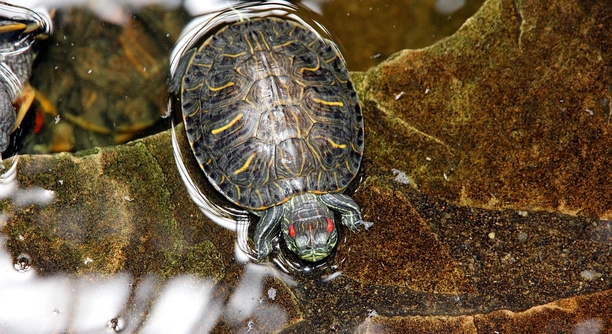
Red-eared sliders are lively and playful creatures. If you’re looking for ways to enrich their environment, fun activities can keep them happy and healthy. Here are seven exciting activities to enjoy with your pet turtle.
Engaging with your red-eared slider through stimulating activities can improve their well-being and strengthen the bond between you. Simple tasks like offering food puzzles, allowing supervised outdoor time, or creating new habitats can enhance their mental and physical health.
These activities can help ensure your red-eared slider stays active, engaged, and happy. Whether it’s a treat hunt or setting up a new tank feature, your pet will benefit from variety and interaction.
1. Offer a Variety of Foods to Keep Things Interesting
One simple way to enrich your red-eared slider’s life is by providing different types of food. These turtles love variety in their diet, so you can mix things up by offering different proteins, vegetables, and fruits. Items like leafy greens, shrimp, and even fruits like strawberries or apples can make meal times exciting. Not only does this provide a nutritional boost, but it also keeps them engaged. It’s important to remember that red-eared sliders need a balanced diet, so make sure their food is suitable for their age and size.
A mix of fresh foods and high-quality turtle pellets is essential for their health.
Varied diets can encourage natural hunting behaviors and make feeding time more fun. You can even hide their food in different places within their tank to challenge their instincts. This helps with mental stimulation and promotes natural foraging behavior. It’s a simple and effective way to keep them entertained.
2. Create a Fun Tank Environment
Changing up your red-eared slider’s tank setup can help prevent boredom. Adding new features like rocks, plants, or a hiding spot gives them places to explore and climb. These additions mimic their natural habitat and can give them a sense of security and excitement. Make sure to adjust the environment regularly to maintain their interest and offer them a new challenge.
These small changes go a long way in keeping your turtle engaged.
You can also try setting up a basking area with ramps for easy access to dry areas where your slider can relax under the heat. Adding aquarium-safe plants or underwater decorations provides an added sense of space and safety for your turtle. Regularly changing the layout of their tank can simulate new challenges, keeping your slider’s life dynamic and fun.
3. Set Up a Turtle Pool for Outdoor Play
If the weather is warm, taking your red-eared slider outdoors can be a fun activity. Setting up a shallow pool with water they can safely swim in allows them to enjoy the sun while exploring new surroundings. It’s a great way for them to get some fresh air and exercise.
A shallow kiddie pool works well for outdoor playtime. Just ensure the area is safe from predators and the water stays clean. Let your slider roam around, but always supervise them closely. If possible, add some water plants or small rocks to make the environment more natural and exciting for them.
Taking them outside provides a whole new sensory experience. The sun and fresh air can make your turtle feel more active and alert. Just make sure the water is shallow enough to prevent drowning and monitor the temperature to avoid overheating. Keep them safe and happy by creating a secure outdoor space for play.
4. Try a Floating Dock for Basking
A floating dock is an excellent addition to your red-eared slider’s tank. This allows your turtle to rest above the water while basking in the warmth of the light, just like they would in the wild. A floating dock also makes it easier for your slider to access dry areas without straining.
The dock should be large enough to give them plenty of space to move around but small enough to fit in their tank without overcrowding. You can adjust the dock’s position by adding or removing air to maintain the proper water level.
Your slider will love having a designated spot to bask under the heat, which helps them stay healthy. Additionally, a floating dock makes it easier for your turtle to climb in and out of the water, providing them with the perfect spot to dry off or relax during the day.
5. Offer Live Food for Mental Stimulation
Providing live food can stimulate your red-eared slider’s hunting instincts. Live prey such as feeder fish, worms, or insects can encourage them to engage more actively with their environment. It’s a fun way to mimic their natural behaviors while feeding them.
Live food should be offered in moderation to avoid overfeeding. Ensure the prey is safe and appropriate for your turtle’s size and age. You can also mix live food with other nutritious options to keep their diet balanced while promoting mental activity.
This activity keeps your slider active and attentive, making feeding time more enjoyable. Watching your turtle hunt and chase after food can also offer great entertainment, while enhancing their health and happiness.
6. Take Them for a Walk
A walk on a leash can offer your red-eared slider a completely new experience. With a specially designed harness, your turtle can safely explore the outdoors at a relaxed pace. This gives them a chance to enjoy different textures and surroundings.
It’s important to start slowly and ensure your turtle feels comfortable in the harness. Practice in a safe, enclosed area to get them used to the sensation.
A walk provides both mental and physical stimulation. Your turtle can safely explore new ground, whether in your yard or a quiet park. Keep the walks short at first and always monitor your slider to ensure they are comfortable.
FAQ
How often should I feed my red-eared slider?
Feeding frequency depends on your turtle’s age. Young red-eared sliders need to be fed daily, while adults can be fed every other day. It’s important to provide a varied diet, including commercial pellets, vegetables, and occasional live food. Overfeeding can lead to obesity, so it’s important to follow a feeding schedule and avoid giving too much food at once.
What temperature should the water be in my turtle’s tank?
The water temperature should range between 75°F and 80°F (24°C to 27°C). This mimics their natural environment and ensures they stay active. For basking areas, the temperature should be around 90°F to 95°F (32°C to 35°C). Having the proper temperature helps your red-eared slider digest food properly and remain healthy.
Can I house multiple red-eared sliders together?
It’s possible to house multiple red-eared sliders, but they need plenty of space. If the tank is too small, they may become territorial and fight. Ensure there’s enough space for each turtle to bask, swim, and hide. You should also keep an eye on their behavior to prevent aggression.
How can I tell if my red-eared slider is stressed?
Signs of stress in red-eared sliders include decreased appetite, excessive hiding, or abnormal swimming behavior. Stress can be caused by factors such as poor tank conditions, overcrowding, or sudden changes in temperature. Ensure your turtle’s environment is stable and meets their needs. If stress persists, consult a vet for advice.
Do red-eared sliders need UVB light?
Yes, red-eared sliders need UVB light to thrive. UVB light helps them synthesize vitamin D3, which is crucial for calcium absorption. Without proper UVB exposure, they can develop shell deformities and bone issues. Make sure to provide UVB lighting for 10 to 12 hours a day, and replace the bulb every six months.
Can I take my red-eared slider outside every day?
Taking your turtle outside can be beneficial, but it’s important not to overdo it. Outdoor playtime should be supervised and limited to a safe area, especially if you are using a pool or a leash. Exposure to direct sunlight for short periods can be helpful, but always make sure they have a shaded area to retreat to. Avoid taking them outside on hot days or in areas with predators.
What should I do if my red-eared slider isn’t eating?
If your turtle isn’t eating, there could be several causes, including stress, incorrect water temperature, or illness. First, check the tank conditions and make sure everything is optimal. If the problem persists for more than a few days, consider consulting a veterinarian to rule out any health issues.
How long do red-eared sliders live?
Red-eared sliders can live for up to 25 years or more with proper care. Their lifespan depends on factors such as diet, tank conditions, and overall health. By providing a clean, safe environment and a balanced diet, you can help ensure your turtle has a long, healthy life.
How can I keep my red-eared slider’s tank clean?
Regular water changes are key to keeping your turtle’s tank clean. Perform partial water changes weekly or bi-weekly to remove waste. Use a filtration system to keep the water clear, and scrub the tank regularly to prevent algae buildup. Cleaning the tank frequently helps prevent bacteria growth and keeps your turtle healthy.
Do red-eared sliders need a filter in their tank?
Yes, red-eared sliders require a filter in their tank to maintain clean water. A filter helps remove waste, debris, and excess food, which are important for keeping the tank hygienic. Make sure the filter is appropriately sized for the tank to ensure proper water flow and filtration. Regular cleaning of the filter is also necessary to keep it working effectively.
Is it safe to let my red-eared slider swim in the pool?
It’s generally safe to let your red-eared slider swim in the pool as long as you take certain precautions. Make sure the pool has clean, chlorine-free water, and avoid exposing them to strong chemicals or pool cleaners. Also, make sure the pool is shallow enough for them to safely enter and exit. Always supervise them closely to prevent drowning or getting too cold.
How can I tell if my turtle has shell rot?
Shell rot is a common condition that occurs when the turtle’s shell is damaged or infected. Signs include soft, discolored, or foul-smelling patches on the shell. If you notice any of these symptoms, it’s important to take your turtle to a vet immediately. Shell rot can be treated with antibiotics, but it’s best to prevent it by maintaining a clean and dry tank.
Do red-eared sliders need to be bathed?
Red-eared sliders do not require regular baths, but occasional soaking in shallow water can help with hydration and shell cleaning. If your turtle’s tank water is clean, regular bathing is unnecessary. However, you can give your turtle a bath once in a while to help remove any dirt or excess shell debris.
Final Thoughts
Caring for a red-eared slider requires attention to their environment, diet, and overall well-being. By setting up a proper habitat, offering a varied diet, and engaging them in stimulating activities, you can ensure they stay healthy and happy. Their tank should have the right temperature, lighting, and filtration system to support their needs. Regular cleaning and maintenance will also help keep the environment free from harmful bacteria and ensure they live in a safe space.
Your red-eared slider thrives on routine. Keeping their tank clean, providing them with fresh food, and giving them time to bask and swim are all vital parts of daily care. It’s important to monitor their health closely. Any changes in behavior, appetite, or appearance could indicate a health issue that may need professional attention. A healthy red-eared slider can live up to 25 years or more, so it’s crucial to stay committed to their care for the long haul.
Though red-eared sliders are relatively low-maintenance pets, they still need mental and physical stimulation. Interactive activities like feeding them live food, setting up a new tank feature, or allowing them time outdoors can keep them engaged and active. With these steps, you’ll be able to bond with your turtle and give them a fulfilling life, while also enjoying the experience of caring for a fascinating aquatic creature.

Hello,
If you enjoy the content that we create, please consider saying a "Thank You!" by leaving a tip.
Every little bit helps us continue crafting quality advice that supports the health, happiness, and well-being of pets around the world, for pets of all shapes, sizes, and species.
We really appreciate the kindness and support that you show us!