
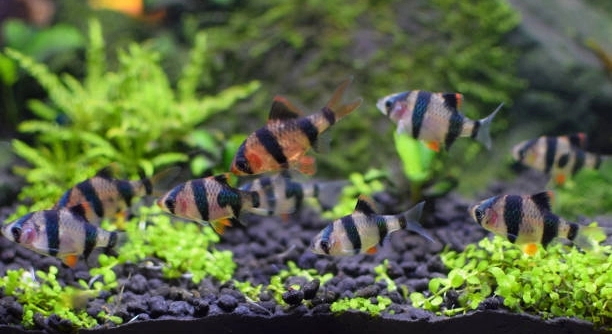
Are your tiger barbs showing odd behavior, or does their tank setup feel harder to manage than expected? You’re not alone. Many aquarium owners run into confusion when caring for these active and colorful freshwater fish.
The biggest reason for confusion with tiger barb tanks is the spread of inaccurate information. These misconceptions can lead to stress, aggression, or poor water quality. Understanding the truth about their needs helps ensure a healthier environment and better fish behavior.
Learning the facts behind these myths can make tank care simpler and more effective. Let’s explore what really matters when keeping tiger barbs.
Misconception #1: Tiger Barbs Need to Be Kept in Pairs
Tiger barbs are often mistakenly kept in pairs, which usually leads to aggressive behavior. These fish are naturally social but thrive best in groups of six or more. When kept in small numbers, they tend to fight and nip fins, especially when there’s a dominant fish. A proper group dynamic helps spread out any aggression and promotes more natural schooling behavior. They’re active swimmers and need space, so a larger tank with multiple tiger barbs allows them to form a peaceful and balanced hierarchy. Watching them interact in a healthy group can be enjoyable and stress-free.
Keeping only two tiger barbs usually causes stress, fights, and unhealthy tank dynamics. A group helps reduce aggression and creates a more stable environment.
Always plan for a group of at least six tiger barbs, along with enough space to accommodate them. This approach makes it easier to maintain harmony and meet their social needs.
Misconception #2: Tiger Barbs Can Live in Any Community Tank
Tiger barbs are not ideal for community tanks with slow or long-finned species. Their playful nature often turns into fin-nipping, causing stress for other fish.
They do best in tanks with fast-swimming or semi-aggressive fish that can match their energy. Suitable tank mates include other barbs, loaches, and certain danios. Avoid placing them with angelfish, bettas, or guppies, as these fish tend to get picked on. Tank size and layout also matter—adding plants, driftwood, and hiding spots helps break lines of sight and reduces tension. A well-structured tank allows tiger barbs to swim actively without becoming territorial. Good water quality, consistent temperature, and regular feeding routines are also essential for their health. By choosing compatible species and providing the right environment, you can prevent behavioral problems and keep the tank balanced. Understanding their natural behavior leads to better results and a peaceful aquarium.
Misconception #3: Tiger Barbs Don’t Need Much Space
Keeping tiger barbs in a small tank often leads to stress, aggression, and poor health. They are fast swimmers and need open space to move freely.
A minimum of 20 gallons is needed for a small group, but larger tanks are always better. These fish are active and need room to dart around without crowding each other. A narrow tank or cramped layout limits movement, increasing tension within the group. Overcrowding also leads to spikes in waste, making water quality harder to manage. Opt for a longer tank instead of a taller one. It provides more horizontal swimming space, which is exactly what they need. You’ll see calmer behavior, fewer injuries, and more natural group interaction when space isn’t limited.
More space also makes tank maintenance easier. With proper filtration and swimming room, waste disperses better, and fish are less likely to compete for territory. Health improves when stress levels are low.
Misconception #4: Tiger Barbs Are Fine With Any Diet
Tiger barbs are not picky eaters, but that doesn’t mean every food meets their needs. A one-type diet limits nutrients and weakens their color and health.
To keep them healthy and active, offer a variety of foods. High-quality flakes or pellets should be the base, but supplement with protein-rich treats like bloodworms, brine shrimp, or daphnia. Vegetables such as blanched spinach or zucchini help with digestion and round out their nutrition. Feeding small amounts twice a day works better than one large feeding. Avoid overfeeding—it pollutes the tank and can lead to bloating. Rotating food types a few times a week supports their immune system and keeps them engaged. A balanced diet improves their color, energy, and behavior. When well-fed, tiger barbs display more vibrant patterns and interact more actively with their surroundings.
Misconception #5: Tiger Barbs Don’t Need Hiding Spots
Tiger barbs are active swimmers, but they still benefit from hiding spaces. Plants, rocks, and driftwood help reduce stress and aggression by giving them places to rest or retreat when needed.
Without shelter, they can become territorial or stressed, especially during tank maintenance or changes in water conditions.
Misconception #6: Water Parameters Aren’t That Important
Stable water conditions are critical for tiger barbs. They need a consistent temperature between 74–79°F, a pH between 6.0–8.0, and low ammonia and nitrate levels. Frequent changes or imbalances can weaken their immune system, making them more prone to illness. Test the water weekly, and perform regular partial water changes to maintain quality. Sudden shifts in temperature or pH may not kill them immediately but will cause long-term health issues and shorten their lifespan. Using a heater, filter, and water conditioner makes it easier to keep their environment stable. When conditions are right, tiger barbs display better color, behavior, and overall vitality.
Misconception #7: They’re Easy for Beginners
Tiger barbs require more planning and care than many assume. While hardy, their social needs, aggression levels, and sensitivity to tank conditions make them better suited for informed aquarists.
FAQ
Can tiger barbs live alone?
No, tiger barbs should never be kept alone. A solitary barb will become stressed, bored, and aggressive. These fish are social by nature and need to be kept in groups of at least six to feel secure. When alone, they often display erratic swimming, dull coloration, and signs of stress like hiding or aggression. A proper group helps spread out energy, reduces conflict, and encourages more natural, active behavior. If space allows, keeping eight or more in a larger tank can lead to even more stable dynamics and healthier fish overall.
What size tank do I need for tiger barbs?
A group of six tiger barbs needs a minimum of 20 gallons. However, a 30-gallon tank or larger is ideal to give them enough swimming space and reduce aggression. These fish are fast swimmers and benefit from longer tanks with more horizontal room. More space also means better filtration and easier maintenance. If you plan to add other compatible fish, adjust the tank size accordingly. Overstocking can lead to stress and water quality issues, so always consider the adult size and activity level of all species in the tank.
Can tiger barbs live with guppies or angelfish?
It’s not recommended. Guppies and angelfish are poor tank mates for tiger barbs due to their long, flowing fins and slower swimming style. Tiger barbs are known to nip fins, especially when kept in smaller groups or cramped spaces. Even if aggression doesn’t show right away, stress builds over time. It’s best to choose faster, similarly active species that can handle the tiger barb’s energy. Zebra danios, cherry barbs, and certain loaches are better suited companions if the tank is large and well-structured.
How often should I feed my tiger barbs?
Feed your tiger barbs small portions twice a day. They are fast eaters and can be greedy, so only give what they can consume in two to three minutes. Overfeeding causes leftover food to sink and pollute the tank. A variety of foods throughout the week helps keep them healthy—alternate flakes or pellets with protein-rich treats like frozen or live bloodworms, daphnia, or brine shrimp. Adding some vegetable matter like blanched spinach now and then supports digestion. Consistent feeding routines help avoid digestive problems and maintain their activity levels.
Do tiger barbs bite or attack other fish?
Tiger barbs don’t usually bite, but they are known for fin-nipping and chasing. This behavior worsens when they’re kept in groups smaller than six or when tank space is limited. It’s not about being mean; it’s part of their natural energy and social behavior. With enough numbers and space, they focus more on each other than on other species. If aggression still occurs, rearranging the tank, adding plants or decorations to break line of sight, or increasing the group size can help reduce it.
How long do tiger barbs live?
With proper care, tiger barbs can live for five to seven years. Their lifespan depends on stable water conditions, a balanced diet, enough space, and good tank mates. Poor maintenance or constant stress will shorten their life. Regular testing, cleaning, and observation are key. Health issues like ich or fin rot are preventable with clean water and prompt treatment. When well cared for, they stay active, colorful, and social well into their older years. They’re fun to watch and rewarding to keep when their needs are met.
Do tiger barbs need a heater?
Yes, they do. Tiger barbs are tropical fish and need a consistent water temperature between 74°F and 79°F. A heater ensures this range stays stable, especially in cooler environments or during seasonal changes. Sudden drops or fluctuations can stress the fish and lead to illness. Even in warmer climates, a heater helps prevent nighttime temperature dips. Use a reliable heater with a built-in thermostat, and always pair it with a thermometer to monitor the water. A stable temperature improves their immune response and overall activity level.
Can I breed tiger barbs at home?
Yes, but it takes preparation. Tiger barbs are egg-scatterers and don’t care for their eggs or fry. To breed them, set up a separate breeding tank with soft water, a sponge filter, and fine-leaved plants or a mesh at the bottom to protect the eggs. Introduce a healthy, conditioned male and female, and feed them high-protein foods beforehand. Once eggs are scattered, remove the adults to prevent them from eating the eggs. In 24 to 36 hours, the eggs hatch. Feed the fry infusoria or liquid fry food until they grow large enough for crushed flakes.
Final Thoughts
Tiger barbs are colorful, active fish that can bring a lot of life to a home aquarium. However, they are often misunderstood. Many people believe they are easy to care for or suitable for any tank, but that’s not entirely true. These fish have specific needs when it comes to group size, tank mates, and environment. Keeping them in the wrong setup can lead to stress, aggression, and health issues. Learning about their behavior, space requirements, and dietary needs helps prevent common mistakes. With proper planning, they can live long, healthy lives and show their natural, playful behavior.
Providing the right conditions is key. They need a tank that’s large enough to swim freely, with good filtration and regular maintenance. A group of six or more tiger barbs will create a more balanced and less aggressive environment. They are also sensitive to changes in water quality, so keeping the water clean and stable is important. A varied diet helps maintain their color, energy, and health. Choosing compatible tank mates and offering hiding spots reduces stress for all fish. These small steps make a big difference and help create a calm, active tank where all fish thrive.
It’s helpful to think beyond basic care and consider what makes tiger barbs feel safe and comfortable. These fish are not just decorations—they are living creatures that rely on you for a stable home. When their needs are met, you’ll see bright colors, active swimming, and natural schooling. They become less aggressive and more social. With a little extra attention and understanding, keeping tiger barbs becomes easier and more rewarding. It’s not about doing everything perfectly—it’s about learning what works and making adjustments along the way. In return, you get a vibrant, lively tank full of movement and energy.

Hello,
If you enjoy the content that we create, please consider saying a "Thank You!" by leaving a tip.
Every little bit helps us continue crafting quality advice that supports the health, happiness, and well-being of pets around the world, for pets of all shapes, sizes, and species.
We really appreciate the kindness and support that you show us!