
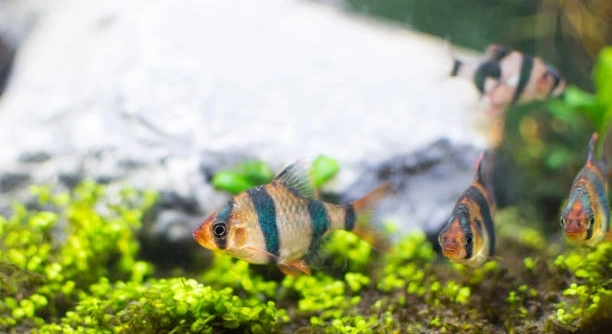
Tiger barbs are popular freshwater fish known for their vibrant colors and active behavior. Many aquarium owners add fake plants to tanks for decoration and low maintenance. Sometimes, these fish interact with the artificial plants in unusual ways.
Tiger barbs may guard fake plants due to territorial instincts and environmental stimulation. These fish often treat artificial plants as part of their territory, displaying protective behavior to secure their space from perceived intruders or threats.
Understanding why tiger barbs behave this way helps improve aquarium care and creates a more balanced environment for your fish.
Why Tiger Barbs See Fake Plants as Territory
Tiger barbs are naturally territorial fish. In the wild, they protect certain areas to find food and stay safe from predators. When they are in a tank, their environment is limited. Fake plants often become part of this space. The fish see these plants as landmarks within their territory. They may swim around them, chase away other fish that come too close, and sometimes even nip at the leaves. This behavior is a way to mark their boundaries and keep control over their surroundings. The artificial plants do not move or respond, but tiger barbs treat them like real obstacles. This helps the fish feel more secure in a small environment.
This guarding behavior is common among many territorial fish, not just tiger barbs.
Recognizing these patterns can help tank owners place plants and decorations carefully. Giving tiger barbs enough room and hiding spots reduces stress. Artificial plants can serve as useful tools in this setup, as long as owners observe the fish closely and adjust the environment if needed.
How to Manage Tiger Barbs’ Guarding Behavior
Fake plants can help create natural boundaries in a tank, calming tiger barbs.
Managing this behavior involves understanding the fish’s needs. Tiger barbs are active swimmers and do best in groups of at least six. Overcrowding or lack of hiding places increases aggression. Adding fake or real plants gives them places to retreat and mark. Changing tank layout occasionally also keeps the environment stimulating. Watching their interactions ensures no fish is overly stressed or harmed. Using fake plants is convenient because they don’t require care but still offer the fish visual and physical barriers. Tank owners can balance decoration with the fish’s natural behavior to maintain harmony.
The Role of Fake Plants in Reducing Stress
Fake plants create stable hiding spots for tiger barbs, helping reduce their stress levels. These plants do not move or decay, offering consistent shelter. This stability allows the fish to feel safe and secure in their environment, which is important for their well-being.
Artificial plants act as physical barriers, breaking up open spaces and helping tiger barbs avoid constant confrontation. These hiding places give less dominant fish a chance to rest and avoid aggressive encounters. With reduced stress, the fish display healthier behavior and better coloration. Though fake plants lack the biological benefits of real plants, they offer practical advantages in maintaining tank cleanliness. Their durability means fewer changes and less disruption for the fish, supporting a peaceful aquarium environment.
Though some argue real plants are better for oxygen and water quality, fake plants provide consistent protection. The choice between fake and real often depends on the tank owner’s goals, experience, and time available for maintenance.
How Tank Setup Influences Guarding Behavior
Tank size and layout directly affect how tiger barbs behave around fake plants. Small tanks limit swimming space, intensifying territorial guarding. Larger tanks allow more freedom, reducing stress and aggressive guarding. Proper plant placement helps define territories clearly, preventing overlap and conflict.
Arranging plants in clusters rather than scattered spots creates natural barriers. These groups simulate a more natural environment where fish can claim distinct areas. Avoiding overcrowding is essential. Overcrowded tanks increase competition, leading to more aggressive guarding of plants and space. Providing varied decorations and hiding spots helps balance territorial instincts, making tank life calmer. Careful setup makes it easier to manage fish behavior and promotes peaceful cohabitation.
Common Signs Tiger Barbs Guard Fake Plants
Tiger barbs often swim closely around fake plants, chasing away other fish. They may nip at the leaves or stay near the plants for long periods. These behaviors indicate territorial guarding and a sense of ownership over the area.
This guarding is usually accompanied by flared fins and increased activity. Such signs show the fish is alert and defending its space.
Benefits of Observing Your Fish’s Behavior
Watching how tiger barbs interact with fake plants helps identify stress or aggression early. Noticing changes in their guarding patterns can signal tank issues, like overcrowding or lack of hiding spots. Regular observation supports timely adjustments to improve fish health and comfort.
Cleaning Fake Plants to Maintain a Healthy Tank
Fake plants accumulate algae and debris that can harm water quality. Regular cleaning with warm water and a soft brush keeps plants safe for fish. Avoid harsh chemicals that could damage the plants or stress the fish.
Avoid Overcrowding for Better Behavior
Too many fish increase competition for territory. Keeping an appropriate number of tiger barbs helps reduce aggressive guarding and promotes harmony in the tank.
FAQ
Why do tiger barbs guard fake plants instead of real ones?
Tiger barbs guard fake plants primarily because these plants remain fixed in place, creating a consistent territorial marker. Real plants can sway or move with water flow, which might not offer the same clear boundaries. Fake plants provide a stable, unchanging structure that the fish recognize as part of their territory.
Can guarding behavior cause harm to other fish?
Yes, aggressive guarding of territory, including fake plants, can lead to chasing or nipping at other fish. This behavior can stress tank mates or cause minor injuries. It is important to monitor interactions and ensure the tank is large enough and well-decorated to reduce conflict.
How can I reduce guarding aggression around fake plants?
To reduce aggression, provide plenty of hiding spots and spread fake plants in clusters to break up territory. Increasing tank size and maintaining a proper number of tiger barbs also helps. Rearranging decorations occasionally can prevent the fish from becoming overly territorial.
Do fake plants impact water quality in the tank?
Fake plants do not contribute to oxygenation or nutrient absorption like live plants. However, they are easier to clean and do not decay, so they can help maintain water quality by avoiding organic waste buildup. Regular cleaning is necessary to prevent algae growth.
Is it better to use fake plants or live plants with tiger barbs?
Both have pros and cons. Live plants improve water quality and create a natural environment, but they require care and may be damaged by tiger barbs. Fake plants are low maintenance and provide stable hiding spots but lack biological benefits. Many owners use a mix of both.
Will tiger barbs damage fake plants?
Tiger barbs may nip at fake plants, especially if bored or stressed, but fake plants are generally more durable than live ones. Choosing sturdy materials helps prevent damage. If nipping is excessive, it might indicate the need for environmental enrichment or more space.
How many tiger barbs should be kept together to minimize aggression?
Keeping tiger barbs in groups of six or more usually reduces aggression. They are schooling fish, and a larger group disperses aggressive behavior. Smaller groups or singles tend to become more territorial and aggressive around plants and tank space.
Can fake plants be used as breeding sites for tiger barbs?
Fake plants do not provide ideal breeding sites. Tiger barbs prefer fine-leaved plants or spawning mops for egg-laying. While fake plants can offer some protection for fry, they are not suitable substitutes for natural breeding environments.
What are signs that guarding behavior is becoming a problem?
Signs include constant chasing, injured fish, damaged fins, or fish hiding excessively. If one or more fish appear stressed or withdrawn, guarding aggression might be too intense. Adjusting tank setup, adding plants, or increasing tank size can help alleviate these issues.
How often should fake plants be cleaned?
Cleaning fake plants every two to four weeks is recommended, depending on algae growth. Use warm water and a soft brush to remove buildup without damaging the plant. Avoid chemicals that could harm fish or disrupt the tank’s ecosystem.
Can fake plants influence the social hierarchy of tiger barbs?
Yes, fake plants can serve as markers for territory and influence dominance. Dominant fish often claim prime areas around plants. Providing multiple hiding spots helps balance social hierarchy and reduces bullying by allowing lower-ranking fish to retreat safely.
Are there specific types of fake plants better suited for tiger barbs?
Sturdy, flexible plastic plants with smooth edges work best to avoid injury. Avoid sharp or brittle materials that could harm fish. Plants that mimic natural vegetation in size and shape create a more comfortable environment and support natural behavior.
What should I do if my tiger barbs constantly nip at fake plants?
Frequent nipping may mean the fish is bored or stressed. Adding more decorations, increasing tank size, or introducing tank mates can help. Providing varied food and environmental enrichment reduces destructive behavior and promotes healthier interaction with plants.
Can rearranging fake plants affect tiger barbs’ guarding behavior?
Yes, changing the layout disrupts established territories, reducing prolonged aggression. It encourages fish to explore and re-establish boundaries, which can decrease tension. However, sudden frequent changes might cause stress, so adjustments should be gradual and spaced out.
Is guarding behavior by tiger barbs a sign of good health?
Generally, active guarding reflects normal, healthy behavior. It shows the fish are alert and engaged with their environment. However, excessive aggression or stress signals underlying problems that may need attention, such as overcrowding or poor water quality.
Tiger barbs are lively fish with natural territorial instincts. Their tendency to guard fake plants is part of this behavior. Understanding why they act this way helps aquarium owners provide a better environment. Fake plants serve as stable markers for the fish, creating clear boundaries in their limited tank space. This sense of territory makes the fish feel secure and reduces stress. Although the plants are not alive, they still play an important role in the fish’s daily life. Recognizing this behavior allows owners to observe their fish more closely and respond appropriately to their needs.
Managing the tank setup can make a big difference in how tiger barbs behave. Giving them enough space to swim freely reduces territorial aggression. Grouping fake plants and other decorations helps divide the tank into smaller areas, which lessens conflict among fish. Overcrowding often leads to more guarding and aggression, so keeping a proper number of tiger barbs is important. Also, regularly cleaning fake plants keeps the tank healthy and avoids buildup of algae or waste. These steps create a more peaceful and balanced environment for the fish and make ownership more enjoyable.
Fake plants have clear advantages and some limitations. They are easy to maintain and provide consistent shelter for tiger barbs. However, they do not offer the same water quality benefits as live plants. Many owners find a mix of both types works best for their tanks. Observing how fish interact with their environment helps owners make smart choices about decorations and tank care. Paying attention to guarding behavior, cleaning routines, and tank size can improve the health and happiness of tiger barbs. Overall, understanding these fish and their needs leads to a more rewarding aquarium experience.

Hello,
If you enjoy the content that we create, please consider saying a "Thank You!" by leaving a tip.
Every little bit helps us continue crafting quality advice that supports the health, happiness, and well-being of pets around the world, for pets of all shapes, sizes, and species.
We really appreciate the kindness and support that you show us!