
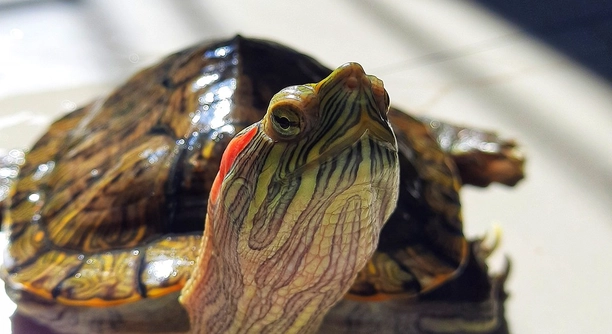
Red-eared sliders are popular pet turtles known for their unique characteristics. As owners, we may wonder how much they enjoy human interaction or if they prefer to be left alone. Understanding their behavior can help create a better environment for them.
Red-eared sliders generally prefer to be left alone and are not particularly fond of handling. They are more likely to feel stressed or threatened when frequently picked up, which can affect their overall well-being.
Providing a safe space where they can thrive without constant interference is essential. We’ll explore what makes these turtles tick and how to ensure they feel secure and comfortable.
Do Red-Eared Sliders Enjoy Interaction?
Red-eared sliders are naturally independent creatures. While they may tolerate occasional handling, they generally do not seek out human interaction. These turtles are more focused on their own activities, like basking, swimming, or foraging. Too much handling can cause them stress, leading to a decrease in their overall well-being. In the wild, red-eared sliders are solitary animals, and their instincts guide them to be cautious around other creatures, including humans. When handled too frequently, they can become nervous or even aggressive, as it disrupts their natural behaviors.
Handling these turtles can be stressful, as it makes them feel vulnerable and exposed. It’s important to understand that red-eared sliders are not social like dogs or cats. They do not form strong bonds with humans and are content in their own space.
As much as we may love to interact with them, it’s crucial to respect their boundaries. By minimizing handling and focusing on providing a suitable environment, you’ll help keep your turtle healthy and happy.
How to Create a Comfortable Space for Your Red-Eared Slider
Creating the right environment for your red-eared slider is key to their well-being. Providing a spacious tank with clean water, proper basking areas, and enough swimming space will allow them to exhibit natural behaviors.
These turtles need space to roam, so avoid overcrowding their enclosure. Make sure the water temperature is just right, around 75-80°F, and the basking area should be around 90°F. Red-eared sliders are cold-blooded and rely on external heat sources to regulate their body temperature. Offering a UVB light for basking is essential for their health.
When their environment mimics the conditions of their natural habitat, they feel more at ease. It’s essential to have hiding spots, like rocks or plants, where they can retreat if they feel threatened. This helps them maintain a sense of security. Be sure to clean the tank regularly to avoid harmful bacteria, which can stress them further.
Proper care goes beyond just tank setup. Red-eared sliders thrive when they feel safe, and creating a low-stress environment will promote their overall health and happiness.
Red-Eared Sliders and Stress
Red-eared sliders experience stress when handled too often or placed in unfamiliar environments. Stress can lead to physical issues like lack of appetite, hiding, or aggressive behavior.
Handling them too much can make them feel insecure, as they are naturally cautious creatures. Red-eared sliders prefer to stay in their habitat, swimming or basking, rather than being taken out. Constant interaction can disrupt their natural rhythms, making them anxious. A stressed turtle may also show signs of health problems, like lethargy or even shell deformities over time.
Keeping interactions to a minimum and allowing them to feel safe in their environment will reduce stress. Creating a routine that respects their natural behavior is key for their well-being.
Red-Eared Sliders’ Physical Needs
Red-eared sliders need a balanced habitat to stay healthy. Proper lighting and temperature control are essential for their physical health.
A basking area with the right heat and UVB lighting helps them metabolize calcium and maintain strong bones. Without this, they can develop shell deformities or weakened limbs. Water quality is another vital factor for their health, as it prevents infections and promotes proper swimming. Regular tank maintenance and water changes are necessary for maintaining a healthy environment.
These physical needs are not just about comfort, but about ensuring their long-term well-being. An unsuitable environment can lead to various health issues.
Handling Red-Eared Sliders Correctly
When handling red-eared sliders, it’s important to do so gently and with care. Only handle them when necessary, such as during cleaning or tank maintenance.
Always support their body fully when picking them up, as it prevents any strain on their limbs or shell. Avoid grabbing them by the tail, as this can cause injury. Keep the handling brief and calm to avoid stressing them further. A comfortable environment with minimal handling allows them to thrive.
Recognizing Behavioral Changes
If your red-eared slider becomes stressed or unhappy, you might notice changes in behavior, like hiding more often or losing interest in food.
They may also become more aggressive if they feel threatened or uncomfortable. These changes are signals that something in their environment or routine is off. Recognizing these signs early can help you address any issues before they escalate. Stressful conditions can affect their overall health, so it’s important to maintain a stable and comfortable habitat.
Understanding Their Feeding Preferences
Feeding red-eared sliders requires more than just providing food. These turtles need a balanced diet that mimics what they would naturally find in the wild.
A mix of vegetables, pellets, and occasional protein like fish or insects is essential. Feeding should be done in small portions to avoid overfeeding, which can lead to health problems like obesity. Offer food during their active hours, when they’re most likely to eat. Fresh, clean water should always be available for hydration. Regular feeding schedules help keep their digestive system on track and support their overall health.
FAQ
Do red-eared sliders like being petted?
Red-eared sliders are not naturally inclined to enjoy being petted. While some might tolerate brief, gentle contact, most prefer to be left alone. They are solitary creatures, and frequent petting can cause them stress. It’s best to respect their space and handle them only when necessary, such as during cleaning or a vet visit. Over time, constant handling might lead to anxiety, and your turtle may start showing signs of distress, such as hiding or refusing food.
How often should I handle my red-eared slider?
Handling should be minimal and only when needed. Red-eared sliders are more comfortable in their environment without constant human interaction. If you need to clean their tank or check on them, keep handling brief. It’s best not to handle them more than once or twice a week to avoid stressing them out. Always make sure your handling is gentle and quick, never forcing them to interact if they don’t seem interested.
Can red-eared sliders recognize their owners?
Red-eared sliders don’t form strong bonds like dogs or cats, so it’s unlikely that they will recognize you in the way you might hope. They can become accustomed to your presence and may learn to associate you with food or routine activities. However, their recognition is based more on familiarity rather than affection. They might approach you when hungry or during feeding time, but this doesn’t mean they have a personal connection with you.
How do I know if my red-eared slider is stressed?
A stressed red-eared slider may show signs such as hiding more often, being less active, or refusing food. They might also display defensive behaviors, like biting or swimming away quickly when approached. Additionally, if they seem lethargic or are constantly scratching the sides of their tank, it could indicate discomfort. If you notice these signs, consider reviewing their environment for potential stressors, like too much handling, improper lighting, or water quality issues.
What should I feed my red-eared slider?
Red-eared sliders are omnivores, meaning they eat a mix of plants and animals. A balanced diet includes leafy greens like lettuce, kale, and dandelion greens, as well as vegetables like carrots and zucchini. You can also offer them turtle pellets that contain the nutrients they need. For protein, provide small amounts of fish, worms, or insects. Avoid feeding them too much high-protein food as this can lead to obesity. Fresh water should always be available for hydration.
How can I tell if my red-eared slider is healthy?
A healthy red-eared slider will be active, have clear eyes, and a smooth, hard shell without any soft spots or visible damage. They should also have a good appetite and swim with ease. If your turtle is lethargic, has cloudy eyes, or shows any abnormal behavior, these could be signs of health issues. It’s important to monitor their eating habits, activity levels, and shell condition regularly. If you’re unsure, consult a vet for a proper check-up.
What temperature should my red-eared slider’s tank be?
The water temperature in your red-eared slider’s tank should be between 75°F and 80°F, while the basking area should be around 90°F. These turtles are cold-blooded and rely on external heat sources to regulate their body temperature. Using a thermometer to monitor the water and basking areas will help maintain an ideal environment. Proper temperature control is crucial for their metabolism, immune system, and overall health.
Do red-eared sliders need UV light?
Yes, red-eared sliders require UVB lighting to stay healthy. UVB light helps them metabolize calcium, which is necessary for strong bones and shell growth. Without UVB exposure, they can develop metabolic bone disease, which can cause deformities or weakness in their bones. A UVB light should be placed over the basking area, and it’s important to replace the bulb every 6-12 months, as its effectiveness diminishes over time.
How big do red-eared sliders get?
Red-eared sliders can grow quite large, typically reaching about 8-12 inches in length when fully grown. Females tend to be larger than males. Their size can vary depending on diet, water quality, and overall care. It’s important to provide enough space in their tank for them to swim comfortably and bask. A tank of at least 40 gallons is recommended for one adult red-eared slider, with additional space if you have more than one.
Why is my red-eared slider not eating?
If your red-eared slider is not eating, it could be due to stress, water temperature issues, or an inappropriate diet. Changes in their environment, such as moving to a new tank or overhandling, can also cause them to lose their appetite. If the water is too cold or too warm, they may become lethargic and refuse food. If these issues are ruled out and the problem persists, it’s a good idea to consult a vet to check for health problems.
Final Thoughts
Red-eared sliders are fascinating creatures that require a specific environment to thrive. While they may not be as social as other pets, they still need care and attention to stay healthy. The key is to respect their boundaries and understand their natural instincts. Handling them too frequently or inappropriately can cause stress, which can negatively affect their health. A calm, stable environment allows them to exhibit natural behaviors, like basking and swimming, which are vital for their well-being. By minimizing stress and focusing on their physical needs, you’ll help ensure your red-eared slider leads a long, healthy life.
When it comes to creating the right habitat, temperature control, water quality, and proper lighting are essential. Red-eared sliders are cold-blooded and depend on external heat sources to regulate their body temperature. Providing a basking area with UVB light is not just a luxury, but a necessity for their calcium absorption and shell health. Clean, warm water is equally important, as it supports their swimming and overall hygiene. Regular tank maintenance, such as changing the water and cleaning the filter, ensures a healthy living space. If you’re unsure about the specifics of setting up a proper habitat, consulting a vet or pet care expert can help you get it just right.
Feeding red-eared sliders also requires some attention. A balanced diet consisting of vegetables, occasional protein, and specially formulated turtle pellets supports their growth and energy needs. Avoid overfeeding, as it can lead to obesity, and always offer food in reasonable portions. Keeping a regular feeding schedule helps maintain their digestive health. If you notice any changes in their behavior, such as loss of appetite or inactivity, it’s important to address potential issues early. By providing the right care and being mindful of their preferences, red-eared sliders can thrive as pets, enjoying a comfortable and stress-free life in your home.

Hello,
If you enjoy the content that we create, please consider saying a "Thank You!" by leaving a tip.
Every little bit helps us continue crafting quality advice that supports the health, happiness, and well-being of pets around the world, for pets of all shapes, sizes, and species.
We really appreciate the kindness and support that you show us!