
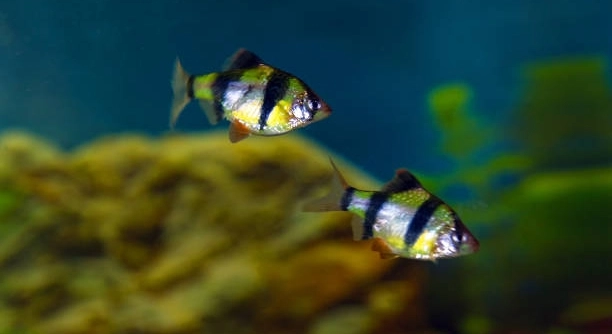
Are your tiger barbs swimming in a bare-bottom tank, leaving you unsure if gravel is truly necessary for their setup?
Tiger barbs can be kept without gravel, as it does not affect their health or behavior. Gravel is mainly aesthetic and serves more for decoration or anchoring live plants. Many hobbyists prefer bare-bottom tanks for easier cleaning.
While skipping gravel can be beneficial, understanding its impact on maintenance, tank design, and fish behavior helps in creating a healthier environment.
Why Some Aquarists Skip Gravel
Some aquarists choose to keep tiger barbs without gravel for simple and practical reasons. Gravel can trap waste, leftover food, and debris, which makes cleaning more difficult. In a bare-bottom tank, you can easily spot and remove dirt, making maintenance faster. This setup also helps maintain stable water conditions, which is important for the health of your tiger barbs. Additionally, tanks without gravel are useful in quarantine situations, where close monitoring of fish health is needed. While gravel does offer a natural look and provides support for live plants, many aquarists prefer a cleaner, more controlled environment for their fish. Removing gravel reduces the chance of harmful bacteria building up and can also help in feeding, as uneaten food is easier to remove. Choosing a bare-bottom tank is not just about appearance—it can make daily care simpler and more effective for the long term.
Gravel may look nice, but it isn’t essential to keeping tiger barbs healthy.
If you’re more focused on maintenance and water clarity, a bare-bottom setup might suit your needs better. This choice can also help you notice any health changes in your fish quickly.
Pros and Cons of Gravel in Tiger Barb Tanks
Gravel can provide a more natural appearance and may help calm some fish. However, it also traps waste and can increase cleaning time. Without gravel, your tank stays clearer and is easier to maintain, especially if you’re short on time.
Adding gravel has both visual and functional benefits. It anchors plants and decor, making the aquarium feel more stable and natural. It can also reduce reflections on the bottom of the tank, which may stress some fish. However, tiger barbs are active and curious, and they don’t rely on gravel to feel comfortable. Their focus is more on swimming space and stable water conditions. If you choose gravel, opt for smooth and small pieces to avoid harming your fish. On the other hand, bare-bottom tanks allow better visibility of waste, reduce harmful bacteria buildup, and make water changes faster. Ultimately, your choice depends on your goals—whether it’s aesthetics, ease of cleaning, or fish behavior.
Cleaning Differences Between Gravel and Bare-Bottom Tanks
Bare-bottom tanks are easier to clean because waste stays visible on the glass. With gravel, debris can settle between the stones, making it harder to remove completely during water changes. This can lead to poor water quality if not maintained regularly.
Gravel tanks require more effort to clean properly. Uneaten food, waste, and dirt can fall between the stones, encouraging bacteria growth if not vacuumed often. Cleaning gravel means using a siphon to reach deep between layers, which can take extra time. Bare-bottom tanks, on the other hand, allow you to spot and remove waste quickly with a simple siphon or net. Water changes are also faster because less debris is hidden. If you’re managing multiple tanks or have limited time, a bare-bottom setup can help reduce weekly maintenance work without harming your tiger barbs’ comfort or health.
Even though gravel adds to the tank’s appearance, it does require more attention during cleaning. If maintenance is skipped, harmful waste may build up and affect water quality. A bare-bottom tank avoids this issue by keeping everything in clear view. You’ll also have a better chance of spotting uneaten food, sick fish, or unusual waste right away.
Impact on Fish Behavior and Activity
Tiger barbs are highly active and playful, regardless of whether there’s gravel. Their behavior mainly depends on water quality, tank size, and the presence of other fish. They often enjoy swimming in groups and don’t rely on substrate for stimulation or comfort.
Gravel doesn’t significantly influence the daily behavior of tiger barbs. Unlike bottom-dwelling fish that dig or sift through substrate, tiger barbs prefer mid-level swimming. Their health and activity depend more on water cleanliness and a stable environment. A bare-bottom tank won’t reduce their energy or social behavior. However, adding plants or decorations can provide enrichment and reduce stress, especially in tanks without substrate. If you choose to go without gravel, consider adding floating or anchored plants, driftwood, or caves to keep your tiger barbs stimulated. These additions support natural behavior without the downsides of gravel maintenance. The goal is to keep them active and stress-free while making your tank easier to manage.
Live Plants and Gravel Use
Gravel helps anchor live plants, keeping roots stable. Without it, plants may float or shift unless secured by other means. If you plan to grow rooted plants, gravel or another type of substrate is often necessary for proper support.
In bare-bottom tanks, live plants can still be used. You can place them in pots or attach them to rocks and driftwood. This allows for flexibility in design and makes cleaning easier. Choose plants like Java fern or Anubias that don’t require rooting in substrate.
Lighting and Tank Appearance
Gravel can enhance the visual depth of your tank, especially under proper lighting. It also reduces glare and reflections from the bottom glass. In bare-bottom tanks, lighting can reflect more strongly, sometimes bothering fish or making the tank look too stark. Choose lighting that balances clarity with comfort.
Final Thoughts on Gravel Use
If simplicity and easy maintenance matter most to you, a bare-bottom setup is often the better choice.
FAQ
Can tiger barbs live in a bare-bottom tank long-term?
Yes, tiger barbs can live in a bare-bottom tank for their entire lives without any issues. Their health depends more on clean water, proper filtration, and good nutrition than on the presence of gravel. A bare-bottom tank can actually help maintain better water quality, especially if you’re consistent with cleaning. These fish are active swimmers and don’t rely on substrate to stay healthy or behave normally. As long as they have enough space, hiding spots, and other fish to school with, they will remain active and comfortable in a gravel-free setup.
Will tiger barbs get stressed without gravel?
Tiger barbs are not affected by the lack of gravel. They are mid-level swimmers and don’t interact much with the substrate. Their comfort depends more on stable water conditions, tank mates, and available hiding spots. If your tank is clean and well-decorated, they will not become stressed from missing gravel.
Can I use sand instead of gravel or nothing at all?
Yes, sand is another option. It’s easier to clean than gravel because waste stays on top. However, it can get stirred up and cloudy if not handled properly. Some aquarists choose fine sand for appearance, but bare-bottom tanks remain the easiest to maintain, especially in community setups like those with tiger barbs.
Is it harder to cycle a bare-bottom tank?
Not necessarily. Beneficial bacteria grow on many surfaces, not just in gravel. They can thrive on your filter media, tank walls, decorations, and other hard surfaces. As long as your filtration system is stable and biological media is in place, cycling a bare-bottom tank follows the same process as a gravel one.
Can I grow live plants in a bare-bottom tank?
Yes, but you’ll need to choose the right types of plants. Use floating plants or ones that can be attached to driftwood or rocks, like Java moss, Anubias, or Java fern. You can also place potted plants in the tank to keep things organized without needing gravel.
How do I decorate a bare-bottom tank for tiger barbs?
Add driftwood, rocks, artificial caves, or live plants attached to hard surfaces. Use background posters or paint the back of the tank to make it feel more complete. Tiger barbs enjoy structure, so give them places to swim around, hide behind, or explore, even without gravel.
Will food fall through gravel and get lost?
Yes, that’s one of the downsides of using gravel. Food can easily fall between the stones and start to rot, leading to poor water quality. In a bare-bottom tank, you can quickly remove uneaten food, which helps maintain a cleaner environment and lowers the risk of ammonia buildup.
Does gravel help with water chemistry for tiger barbs?
Standard aquarium gravel does not impact water chemistry. However, some substrates like crushed coral or specialty plant soils can alter pH and hardness. For tiger barbs, regular gravel or no substrate works fine, as they adapt well to a wide range of freshwater conditions.
What kind of filtration works best for bare-bottom tanks?
A sponge filter or a hang-on-back filter both work well. Sponge filters are great for breeding or fry tanks, while hang-on-back filters provide stronger circulation. Just make sure your filtration matches the tank size and keeps the water clean, which is the key for healthy tiger barbs.
Do bare-bottom tanks look too plain?
They can if left empty, but with the right decorations, they look just as appealing. Add plants, rocks, and colorful backgrounds to make the tank visually balanced. You can also use a light-colored bottom or painted tank base to reduce glare and improve the look.
Final Thoughts
Tiger barbs are active, social fish that don’t depend on gravel to stay healthy or happy. Gravel can help hold plants and decorations in place, but it is not necessary for a successful tank. In fact, many aquarists find bare-bottom tanks easier to manage, especially when it comes to cleaning and spotting waste. This kind of setup also helps with water clarity and reduces the risk of harmful bacteria building up in hidden spots. If your main goal is to keep your tank simple, clean, and low-maintenance, removing the gravel can be a practical choice.
Bare-bottom tanks also make it easier to watch your tiger barbs closely. You’ll notice uneaten food, unusual waste, or changes in behavior much faster. This is helpful for both new and experienced fish keepers. While some may prefer the natural look of gravel, the benefits of skipping it often outweigh the visual trade-off. You can still create an attractive tank with plants, driftwood, rocks, and a colored background. Many types of plants will grow well when attached to hard surfaces or placed in pots, so there’s still room for creativity in your tank’s design.
In the end, choosing whether to use gravel depends on your personal preferences and maintenance style. Tiger barbs do not need gravel to thrive, and their behavior will remain active and social in either setup. If you enjoy a more natural-looking tank and don’t mind the extra cleaning, gravel is fine to use. But if you prefer a setup that’s easier to maintain and allows you to monitor water quality more closely, a bare-bottom tank may be the better option. Whichever you choose, focus on keeping the water clean, the tank well-filtered, and the environment stimulating with decorations and proper tank mates. That will help your tiger barbs stay healthy and active no matter what’s on the bottom of the tank.

Hello,
If you enjoy the content that we create, please consider saying a "Thank You!" by leaving a tip.
Every little bit helps us continue crafting quality advice that supports the health, happiness, and well-being of pets around the world, for pets of all shapes, sizes, and species.
We really appreciate the kindness and support that you show us!