
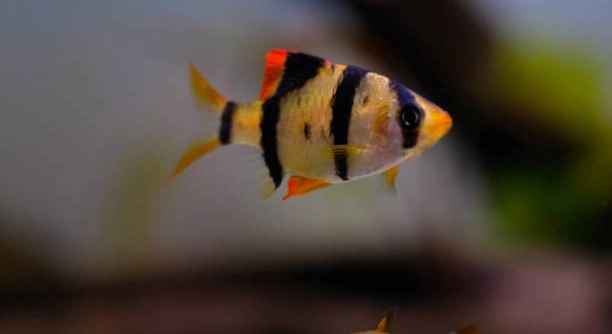
Is your tiger barb looking puffier than usual, making you worry about its health or if something’s wrong in the tank?
The most common reason your tiger barb may appear bloated is internal swelling caused by overfeeding, constipation, or underlying health conditions such as dropsy or bacterial infections. Prompt identification is essential for treatment.
Learning about the different causes of bloating can help you better care for your fish and prevent serious health problems in the future.
Common Causes of Bloating in Tiger Barbs
Bloating in tiger barbs can happen for several reasons, most of which relate to diet, environment, or illness. Overfeeding is one of the main causes. When fish eat too much or too quickly, it can lead to digestive issues and swelling. Constipation is another common problem, often caused by a lack of fiber in the diet. In more serious cases, bacterial infections or dropsy can also lead to a bloated appearance. Dropsy is often a sign of organ failure and fluid buildup inside the body. Poor water quality, such as high ammonia or nitrate levels, can also stress the fish and affect its health. Sometimes, internal parasites may be to blame. These parasites can grow in the fish’s intestines and cause visible swelling. Each of these causes has its own signs, so it’s important to observe the fish closely and check for changes in behavior or appetite.
Always avoid overfeeding and clean the tank regularly to help reduce risks.
If your tiger barb is also sluggish, hiding more than usual, or has raised scales, it may be dealing with something more serious. These symptoms often signal internal infection or dropsy, and ignoring them may lead to further health problems or even death.
What You Can Do to Help
Start by not feeding your tiger barb for a day or two to see if the swelling goes down.
If bloating persists, try feeding peas with the skin removed. This natural remedy helps clear mild constipation by adding fiber to the diet. Make sure to boil the peas slightly and remove the outer shell before offering them to the fish. Keep the tank water clean and check all parameters using a reliable water test kit. High ammonia or nitrite levels can cause stress and worsen health issues. If water quality is poor, do a partial water change and clean the substrate. In more severe cases, such as bacterial infection or dropsy, you may need to move the fish to a hospital tank and start treatment with antibacterial medications like Maracyn or Kanaplex. Use these products according to instructions and observe your fish daily. If you see no improvement within a few days, consult a vet who has experience with aquatic animals. Early treatment gives your fish the best chance of recovering.
Preventing Future Bloating
Feed your tiger barb small amounts once or twice a day, and only what it can eat in under two minutes. Overfeeding is a common mistake and can quickly lead to bloating and water quality issues in the tank.
To prevent constipation, include a variety of foods in your tiger barb’s diet. Use high-quality flakes or pellets as the main food source, but occasionally offer frozen or live options like brine shrimp or daphnia. These foods are easier to digest and add variety that supports better digestion. Clean the tank weekly and test the water often to make sure parameters stay stable. Stable, clean water helps reduce stress and supports your fish’s overall health. A stressed fish is more likely to get sick or develop digestive problems. Avoid sudden changes in temperature or water chemistry, and always quarantine new fish before adding them to the main tank.
Monitoring behavior can help you catch early signs of trouble. If your fish is eating less, swimming differently, or staying in one spot, take note. These behaviors often come before physical symptoms like bloating. Keeping a simple log of feeding times, water tests, and fish activity can help you spot patterns and notice when something changes. Preventing problems is often easier than treating them later.
When to Be Concerned
If your tiger barb remains bloated for more than a few days, or if the swelling gets worse quickly, it’s time to act. Raised scales, cloudy eyes, or an arched spine are all signs of something more serious than mild bloating.
In these cases, it’s best to separate the fish into a hospital tank and start treatment immediately. Products like Epsom salt (magnesium sulfate) can help reduce swelling when used properly. Use one tablespoon per five gallons of water, and monitor your fish closely. If the condition doesn’t improve within 48 hours, you may be dealing with an internal infection. Start a course of antibacterial treatment and keep the tank clean and stress-free. Use a heater to maintain a stable temperature and reduce environmental stress. Be patient and avoid over-handling. If there’s still no progress after a week, seek advice from an aquatic vet. Getting professional guidance early can make a real difference.
Foods That May Cause Bloating
Dry foods like flakes and pellets can expand in the stomach if not soaked first. Feeding them dry, especially in large amounts, often leads to bloating and constipation. Always soak these foods in tank water before feeding.
Low-quality foods often contain fillers that are hard to digest. Look for options with real protein sources and minimal additives. Fish fed poor diets are more likely to develop long-term digestive problems.
How Tank Conditions Affect Digestion
Cold or unstable water temperatures can slow digestion and increase the risk of bloating. Tiger barbs do best in temperatures between 74–80°F. Use a reliable heater and thermometer to keep it consistent. Poor water quality is another issue. Ammonia, nitrite, and nitrate levels should be tested weekly and kept at safe levels. If these rise too high, the fish’s stress level increases, and its immune system weakens, making digestion harder. Dirty gravel can also hold waste and old food, which release harmful substances into the water. Cleaning the tank regularly helps reduce all of these risks and supports better digestion.
Watch for Recurring Issues
If bloating keeps coming back, there may be a deeper problem like organ damage or parasites. Long-term symptoms should not be ignored.
FAQ
Why does my tiger barb look bloated but still eat normally?
Sometimes, mild bloating can occur due to constipation or overeating but may not stop the fish from eating. The digestive system is still working, but the fish may have trouble passing waste properly. It’s important to monitor how often your fish poops and look for other signs like lethargy or raised scales. Feeding peas or fasting for a day can help ease mild constipation.
Can overfeeding cause bloating in tiger barbs?
Yes, overfeeding is a common cause of bloating. When tiger barbs consume more food than they can digest, the excess causes swelling and discomfort. Overfeeding also affects water quality, which adds stress to your fish and can worsen health problems. Feeding small amounts once or twice a day and removing uneaten food helps avoid this.
Is dropsy the same as bloating?
No, dropsy is a serious condition that causes bloating but includes other symptoms like raised scales, cloudy eyes, and lethargy. It results from internal infections causing fluid buildup. Dropsy requires prompt treatment with antibacterial medications and often a separate hospital tank to improve chances of recovery.
How does water quality affect bloating?
Poor water quality stresses fish and weakens their immune systems. High ammonia, nitrite, or nitrate levels can cause digestive issues, making bloating more likely. Regular water changes, proper filtration, and testing water parameters keep the tank safe and healthy for your tiger barbs.
Can constipation cause a bloated belly?
Yes, constipation is a common reason for bloating in tiger barbs. It happens when waste builds up in the digestive tract due to lack of fiber or slow digestion. Feeding fiber-rich foods like peeled peas or daphnia helps prevent constipation. Avoid feeding dry foods without soaking to reduce the risk.
Should I use medication for bloating right away?
Not always. If bloating is mild and caused by overfeeding or constipation, fasting and dietary changes may be enough. Medication is recommended if symptoms worsen or are accompanied by raised scales, lethargy, or loss of appetite. Always follow instructions carefully when using antibacterial treatments.
How long does bloating last in tiger barbs?
Mild bloating caused by diet can improve within a few days if feeding is controlled and water quality is good. Serious cases related to infections or dropsy may take longer and require treatment. If bloating lasts more than a week, consult an aquatic veterinarian.
Can tank mates affect bloating?
Aggressive or overly active tank mates can stress tiger barbs, causing digestive problems and bloating. Stress lowers immunity, making fish more vulnerable to infections. Choose compatible, peaceful tank mates and provide plenty of hiding spots to reduce stress.
Are there signs to watch for that show bloating is serious?
Yes, signs like raised or pinecone-like scales, difficulty swimming, lack of appetite, and rapid breathing often mean the condition is serious. These indicate possible infections or organ failure and need urgent care.
Is fasting beneficial for a bloated tiger barb?
Yes, fasting for one to two days can help the digestive system clear out waste and reduce swelling. During fasting, avoid feeding and monitor water quality closely. After fasting, offer easily digestible foods like peeled peas to support recovery.
Can parasites cause bloating?
Internal parasites can cause swelling by blocking digestion or causing irritation. If bloating persists despite dietary changes, parasites might be involved. Medication prescribed by a vet can clear parasites and reduce swelling.
How often should I check water parameters to prevent bloating?
Weekly testing of ammonia, nitrite, nitrate, and pH levels is recommended. Keeping these parameters stable and within safe ranges reduces stress and digestive issues, helping prevent bloating. Regular tank maintenance supports a healthy environment for your tiger barbs.
Taking care of a tiger barb that looks bloated requires attention to both diet and environment. Often, bloating is caused by something simple like overfeeding or constipation, which can be managed by adjusting how much and what you feed your fish. Offering smaller portions and including fiber-rich foods like peeled peas can help improve digestion. Keeping feeding consistent and avoiding sudden changes in diet makes a big difference in preventing digestive issues. Along with feeding habits, keeping the tank clean and the water quality high is very important. Regular water changes and testing for harmful chemicals such as ammonia and nitrites support your fish’s health and reduce the risk of bloating.
If your tiger barb remains bloated despite these basic steps, it could be a sign of a more serious health problem like a bacterial infection or dropsy. In such cases, the fish may show other symptoms such as raised scales, lethargy, or changes in swimming behavior. It is important to act quickly by isolating the affected fish in a hospital tank and starting treatment with appropriate medication. Using antibacterial medicines correctly and maintaining a stress-free environment helps the fish recover more easily. Consulting an aquatic veterinarian is recommended if you are unsure about the cause or if the condition does not improve. Early intervention is often key to helping your tiger barb get better.
Preventing bloating is easier than treating it. Consistent care, proper feeding, and maintaining good water conditions will keep your tiger barbs healthy and happy. Watching your fish daily and learning their normal behavior helps you notice problems early on. Avoiding overcrowding and aggressive tank mates also reduces stress, which can impact digestion. Remember that your fish rely on you to provide a stable and clean environment. By paying close attention to their needs and acting quickly when problems arise, you can enjoy a lively and vibrant aquarium without the worry of bloated tiger barbs.

Hello,
If you enjoy the content that we create, please consider saying a "Thank You!" by leaving a tip.
Every little bit helps us continue crafting quality advice that supports the health, happiness, and well-being of pets around the world, for pets of all shapes, sizes, and species.
We really appreciate the kindness and support that you show us!