
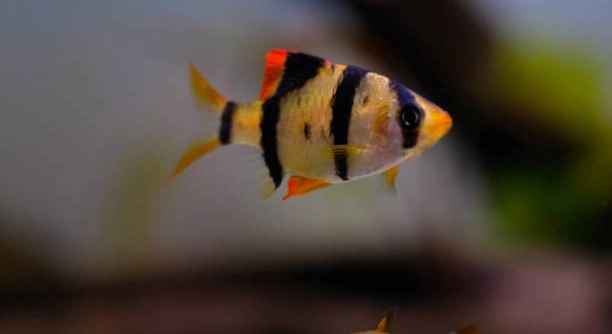
Do your tiger barbs ever seem extra active or a bit odd right after mealtime? You’re definitely not imagining things—they have their own little routines. These fish tend to behave in surprising ways once they’ve eaten.
After feeding, tiger barbs often become more energetic, display social interactions like chasing or schooling, and may explore their environment more actively. These behaviors are driven by their natural instincts, digestion process, and established group dynamics.
From playful movements to subtle changes in their swimming patterns, there’s more going on than meets the eye. Let’s explore what each behavior could mean.
They Get More Active Right Away
Right after eating, tiger barbs often become noticeably more active. This is a normal reaction, as feeding triggers their energy levels. You might see them darting around the tank, swimming in short bursts, or chasing each other. This increase in movement is part of their natural behavior and reflects their playful, social nature. It’s especially common if they’re kept in a group, where feeding can create excitement and interaction. The activity usually continues for a short while before calming down. This behavior can be enjoyable to watch and is usually a sign that your tiger barbs are healthy.
These active movements help them with digestion by keeping their bodies in motion. It also gives them a chance to burn off extra energy they’ve just taken in from the food.
If your tiger barbs stay inactive after eating, it could point to overfeeding or stress. Healthy fish will always show some level of activity after meals.
They Start Nipping at Tankmates
Tiger barbs sometimes begin to nip at one another or other fish after a meal. This isn’t always aggressive—it’s usually related to social dynamics or leftover competition from feeding.
This behavior is more common when tiger barbs are housed with fewer of their kind. These fish thrive in groups of six or more, where aggression is more evenly spread and less intense. When there are fewer tankmates, the pecking order becomes more focused, and you might notice nipping or chasing after meals. Feeding time raises excitement, and that energy can carry over into mild aggression. Ensuring that food is evenly distributed across the tank can help reduce this behavior. You might also consider adding more plants or décor to break up the line of sight, which helps reduce post-meal tension. If the nipping becomes excessive or targets slower species, it might be best to separate them or adjust the tank setup.
They Start Exploring the Tank
Tiger barbs often explore their surroundings after eating. This behavior usually includes swimming near decorations, plants, and corners they may have ignored earlier. It’s a way for them to stay stimulated and burn off extra energy from their meal.
This post-meal exploration can look like aimless swimming, but it’s a healthy and natural response. It’s also how they check for leftover food, especially if they feel the meal wasn’t enough. You might notice them nibbling at the substrate or gently poking around decorations. This behavior doesn’t usually last long but can help you spot signs of hunger or stress. If they’re constantly searching even after being fed, it might be worth reviewing portion sizes or feeding frequency. Watching their movements can give you helpful clues about whether they feel full, secure, and comfortable in the tank environment.
A lack of exploration after feeding may suggest something is off. If they stay hidden or sluggish, check for signs of illness, poor water quality, or environmental stress. Healthy tiger barbs should return to active swimming and brief curiosity-driven behavior once they’ve eaten. Keeping their tank enriched with plants, hiding spots, and open space supports this natural pattern and helps prevent boredom or tension.
They Begin Schooling More Tightly
Tiger barbs may tighten their school formation after meals. This behavior isn’t aggressive—it’s more about group bonding and safety. After the excitement of feeding, returning to close schooling helps them feel secure and maintain their social structure.
This tighter grouping can serve a few purposes. For one, it helps the fish regulate their stress levels after the stimulation of feeding. They also tend to mirror each other’s behavior as a way of calming down and resetting group dynamics. In larger tanks, you might notice them swimming together in a loose pattern near the middle or bottom area. The schooling might be tighter if there was any chasing or tension during feeding, as it signals a return to balance. This behavior can also be a sign of a well-established group. If they consistently separate or isolate themselves after feeding, it might mean something in the tank isn’t right—like a lack of space or too few barbs.
They Look for Leftover Food
Tiger barbs often keep searching for more food right after they’ve finished eating. They may swim along the bottom or check near decorations and corners. This is common and usually doesn’t mean they’re still hungry.
If food isn’t spread out enough, some fish may get more than others. Watching who eats what can help you adjust feeding habits.
They Sometimes Rest Briefly
After the burst of activity from feeding, some tiger barbs will pause and rest. You might see them hovering in place or slowly gliding near a plant or wall. This short rest isn’t a sign of sickness—just a way for them to settle down. It’s more common in older fish or those in a calmer tank. If they return to normal swimming within a few minutes, it’s nothing to worry about. However, if a fish stays still too long or separates from the group, it’s a good idea to check water quality and watch for other unusual signs.
They Interact With Their Reflection
Some tiger barbs become interested in their reflection after eating. They may flare slightly, swim up to the glass, or stay near one area longer than usual. This behavior is short-lived and usually fades once their energy settles.
FAQ
Do tiger barbs fight more after feeding?
Sometimes, yes. Feeding can create a rush of energy and excitement that may lead to chasing or mild nipping. This isn’t always true aggression—it’s often leftover tension from competing for food. In smaller groups, this behavior can appear more intense because there are fewer fish to spread out the attention. To reduce this, feed in multiple spots, avoid overfeeding, and make sure your tank has enough hiding areas and swimming space. Tiger barbs are naturally active and a bit pushy, but their post-meal behavior usually calms down quickly if their environment is balanced.
Why do tiger barbs stay near the bottom after eating?
Staying near the bottom is normal, especially right after eating. They may be searching for leftovers or taking a brief rest. Some tiger barbs prefer calmer swimming zones during digestion. If this behavior is short and they look healthy, there’s usually no reason to worry. However, if you see clamped fins, sluggish movement, or if they’re isolating themselves for too long, it could be a sign of stress or water quality issues. In most cases, bottom-dwelling after meals is just a quiet moment before they resume their regular activity.
How do I know if I’m feeding them too much?
Overfeeding leads to leftover food, cloudy water, and bloated fish. A good rule is to feed what they can finish in about two minutes. If they’re still searching after that but don’t look underfed, you’re probably feeding enough. Watch for signs like slow swimming, distended bellies, or food building up on the tank floor. These are signs to cut back. Also, feeding once or twice a day is plenty. It’s better to slightly underfeed than overdo it. Overfeeding can stress the fish and harm your tank’s overall health.
Can leftover food cause problems after feeding?
Yes, uneaten food can quickly affect water quality. As it breaks down, it releases waste that can raise ammonia and nitrite levels. These changes may not be visible at first, but they impact your tiger barbs’ health over time. Try to remove leftovers a few minutes after feeding. You can also use bottom feeders or snails that help clean up, but don’t rely on them entirely. A turkey baster or siphon works well for cleanup. A regular cleaning routine, combined with careful feeding, will keep your tank safer and healthier for everyone.
Do tiger barbs get bored after feeding?
Tiger barbs are naturally active, but without variety in their environment, they can become restless or bored. After the excitement of feeding, they often benefit from things that keep them stimulated. Live plants, hiding spots, and different flow patterns in the water can help. Changing the arrangement of decorations once in a while also keeps things interesting. If they’re pacing, nipping, or seem too focused on one spot, it might be time to update their environment. Feeding routines are just one part of keeping them active and mentally engaged.
Is it okay if one tiger barb eats more than the others?
It’s common for some tiger barbs to be more dominant during feeding. If you notice one fish always getting the most food, try spreading it across more areas or using a floating ring to slow down the fast eaters. Uneven feeding can lead to long-term health differences in the group. Watch for thin or shy fish that aren’t getting enough. Feeding smaller portions more than once a day can help balance things out. Everyone should have a fair chance at mealtime, especially in active groups like these.
Final Thoughts
Tiger barbs are active and curious fish, and their behavior after feeding shows just how social and energetic they can be. Watching them closely after meals can help you better understand what they need and how they’re feeling. From playful swimming and tight schooling to brief rests and exploring the tank, each behavior has a reason behind it. Most of what they do after eating is part of their natural instincts, shaped by their need to stay alert, feel safe, and interact with their group. These behaviors are not only interesting to observe, but they can also give you clues about whether your tank setup is working well.
If your tiger barbs are showing signs of stress, aggression, or strange behavior after feeding, it may be time to take a closer look at the tank environment. Make sure the tank is big enough, the group is the right size, and that hiding spots and swimming space are available. Try feeding in different areas or adjusting the portion sizes if some fish are being left out or overfed. Cleaning up leftover food after meals is also important. Good water quality and a balanced diet will make a big difference in how your tiger barbs behave. Healthy fish are usually active, alert, and engaged—especially after eating.
Understanding what your tiger barbs do after feeding isn’t just about knowing more—it’s about keeping them healthy, safe, and comfortable. The more you observe their daily habits, the easier it becomes to notice when something isn’t right. Their patterns are fairly consistent, so any big change may signal a problem. But in most cases, their after-meal behaviors are simple to read and easy to manage with small changes. Keeping a steady routine and offering an enriched tank environment will support both their physical health and natural behavior. In the end, learning how tiger barbs behave after eating helps build a better home for them—and makes your time watching them even more enjoyable.

Hello,
If you enjoy the content that we create, please consider saying a "Thank You!" by leaving a tip.
Every little bit helps us continue crafting quality advice that supports the health, happiness, and well-being of pets around the world, for pets of all shapes, sizes, and species.
We really appreciate the kindness and support that you show us!