
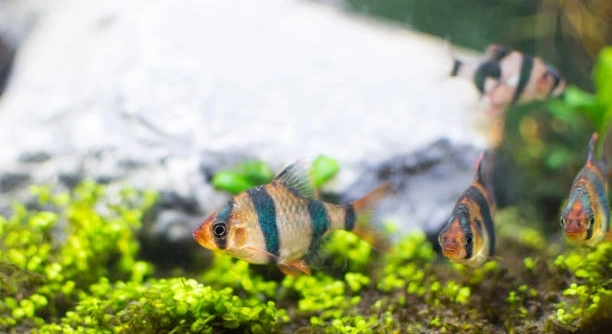
Tiger barbs are lively fish often seen shaking their fins in home aquariums. This behavior can catch the eye of many fish keepers, especially those new to caring for these active swimmers. Understanding why they do this helps in providing better care.
Fin shaking in tiger barbs is primarily a form of communication and territorial display. It signals dominance, stress, or irritation within their social environment. This behavior helps establish hierarchy and can also indicate environmental discomfort or health issues.
Learning more about this fin shaking behavior can improve how you manage your tank and keep your tiger barbs healthy and comfortable. The details reveal important aspects of their social and environmental needs.
Common Reasons Tiger Barbs Shake Their Fins
Tiger barbs often shake their fins as a way to communicate with other fish in the tank. This behavior can mean they are feeling threatened or trying to assert dominance over others. When their space feels crowded or when new fish are introduced, fin shaking becomes more frequent. Sometimes, poor water quality or changes in the environment cause stress, leading to this display. It can also indicate irritation caused by parasites or injury. Watching the context in which they shake their fins helps identify the cause. Regular water checks and observing tank mates can reduce fin shaking caused by stress. Ensuring enough hiding spots and proper tank size supports a peaceful environment.
Fin shaking acts as a warning to other fish and helps maintain social order in the tank.
Recognizing when fin shaking is a normal social behavior or a sign of stress is important. Over time, you’ll notice patterns related to tank conditions or interactions with other fish. Addressing these issues early can prevent injury and improve the health of your tiger barbs.
How to Reduce Fin Shaking in Your Aquarium
Reducing fin shaking starts with providing a stable, clean environment. Regular water changes and testing for ammonia, nitrite, and nitrate keep the water safe. Maintaining the right temperature and pH also lowers stress. Avoid overcrowding by keeping an appropriate number of fish per tank size. Introducing new fish slowly helps prevent aggression and territorial fights. Adding plants and decorations creates hiding spots and reduces tension. Observing fish behavior daily can reveal early signs of illness or stress. If fin shaking continues despite good care, it may be necessary to consult an aquatic specialist to check for diseases or parasites. Good nutrition supports strong immune systems, which reduces stress responses like fin shaking. A calm, well-maintained tank results in happier, healthier tiger barbs.
Signs That Fin Shaking May Indicate a Health Problem
Fin shaking can sometimes signal more than just normal behavior. If your tiger barb’s fins appear clamped, torn, or have white spots, it could mean an infection or parasite issue. Watch for lethargy, loss of appetite, or unusual swimming patterns, which often accompany illness.
Infections like fin rot or parasitic infestations cause discomfort, leading to frequent fin shaking. These conditions require prompt treatment to prevent worsening. Water quality plays a big role in fish health, so maintaining clean, stable conditions helps reduce disease risks. If symptoms persist, a proper diagnosis from a specialist or pet store expert can guide effective treatment.
Ignoring these signs may lead to severe health problems. Early detection is key to recovery. Monitoring behavior closely ensures your fish stay healthy and active.
The Role of Social Dynamics in Fin Shaking
Tiger barbs are social fish that establish a clear hierarchy within their group. Fin shaking is often a display of dominance or submission during these social interactions. Aggressive fin shaking usually occurs among males competing for territory or mates. Submissive fish may also shake fins to avoid conflict while signaling their status.
Providing enough space and a balanced number of males and females reduces aggressive encounters. Group size affects social behavior; too few or too many fish disrupt natural interactions. Environmental enrichment like plants and decorations helps break line-of-sight and lowers aggression levels. Understanding these social patterns helps create a peaceful community tank where fin shaking is less stressful and more natural.
Maintaining a stable social environment supports the overall well-being of your tiger barbs and minimizes disruptive fin shaking.
Environmental Stress and Fin Shaking
Changes in water temperature or quality often cause fin shaking. Sudden shifts stress tiger barbs, triggering this behavior. Keeping conditions stable helps reduce stress-related fin shaking.
Poor water conditions, like high ammonia or nitrite levels, irritate fish. Regular testing and maintenance are essential for a healthy tank environment.
Nutrition’s Impact on Behavior
A balanced diet supports strong immune systems and reduces stress behaviors like fin shaking. Poor nutrition weakens fish, making them more sensitive to environmental stress.
Providing varied, high-quality food ensures tiger barbs get necessary nutrients. This supports overall health and calmer behavior in the aquarium.
When to Seek Professional Help
If fin shaking persists despite good care, consult an aquatic specialist. Persistent shaking can signal hidden health or environmental problems needing expert attention.
FAQ
Why do tiger barbs shake their fins but don’t seem injured?
Tiger barbs use fin shaking as a way to communicate. It often shows dominance or signals stress without causing harm. This behavior helps them establish territory and social order within the tank. Even if they appear fine, fin shaking can mean they feel threatened or are warning other fish.
Is fin shaking a sign of illness?
Sometimes yes, especially if fin shaking comes with other signs like clamped fins, discoloration, or lethargy. Illnesses such as fin rot or parasites cause discomfort, which may lead to fin shaking. Monitor your fish closely and maintain good water quality to prevent health problems.
How can I tell if fin shaking is due to stress or normal behavior?
Look at the context. Normal fin shaking occurs during social interactions or mild displays of dominance. Stress-related shaking usually happens more frequently and may coincide with other symptoms like hiding, loss of appetite, or rapid breathing. Regular observation helps you understand your fish’s usual behavior.
Can changing tank mates reduce fin shaking?
Yes. Introducing aggressive or incompatible species can increase stress and fin shaking. Ensuring tank mates are peaceful and compatible with tiger barbs helps maintain calm. Avoid overcrowding, and add plants or decorations to create hiding spots, reducing tension between fish.
Does water temperature affect fin shaking?
Sudden changes in temperature cause stress and can trigger fin shaking. Tiger barbs prefer stable temperatures between 74°F and 79°F (23°C to 26°C). Use a reliable heater and thermometer to keep water conditions consistent.
What role does diet play in fin shaking?
A poor diet weakens fish and can increase stress behaviors like fin shaking. Feeding a balanced diet with varied foods supports immune health and reduces irritability. Include high-quality flakes, pellets, and occasional live or frozen foods for best results.
Should I isolate a tiger barb that shakes its fins a lot?
Isolation may help if fin shaking results from aggression or illness. Quarantining a stressed or sick fish allows easier treatment and recovery. However, tiger barbs are social fish, so long-term isolation can cause more stress.
Can fin shaking damage the fins?
Usually, no. Fin shaking is a natural behavior and doesn’t cause harm if water quality is good and aggression is controlled. Persistent shaking combined with torn or ragged fins can indicate fighting or infection needing attention.
How often should I test water to prevent fin shaking caused by poor conditions?
Testing water weekly is a good routine. Check for ammonia, nitrites, nitrates, and pH. Regular water changes and filtration keep the environment healthy, reducing stress and fin shaking.
Is fin shaking more common in certain ages or sizes of tiger barbs?
Younger and smaller tiger barbs might shake fins more often as they establish their place in the group. Older or dominant fish shake fins to maintain control. This behavior decreases once social hierarchy is stable.
Final Thoughts
Tiger barbs are active fish with unique behaviors that help them communicate and interact within their group. Fin shaking is one of these behaviors, and it can mean different things depending on the situation. Sometimes, it is a natural way to show dominance or signal stress. Other times, it may indicate a problem like poor water quality or illness. Understanding these signals is important for providing good care and creating a healthy environment for your fish.
Maintaining a clean and stable tank environment is key to reducing unnecessary fin shaking. Regular water testing, proper temperature control, and avoiding overcrowding help keep your tiger barbs comfortable and less stressed. Watching your fish closely allows you to spot any unusual behavior early, such as excessive fin shaking accompanied by signs of illness. Acting promptly to correct water conditions or treat health problems improves your fish’s well-being and prevents more serious issues.
Social dynamics also play a big role in fin shaking. Tiger barbs need enough space and proper group sizes to establish their hierarchy without constant conflict. Adding plants and decorations gives them places to hide and reduces aggression. Offering a balanced diet strengthens their immune system and lowers stress levels. Paying attention to all these factors helps you create a peaceful tank where fin shaking is less about distress and more about normal social interaction. This care ensures your tiger barbs stay healthy, active, and happy.

Hello,
If you enjoy the content that we create, please consider saying a "Thank You!" by leaving a tip.
Every little bit helps us continue crafting quality advice that supports the health, happiness, and well-being of pets around the world, for pets of all shapes, sizes, and species.
We really appreciate the kindness and support that you show us!