
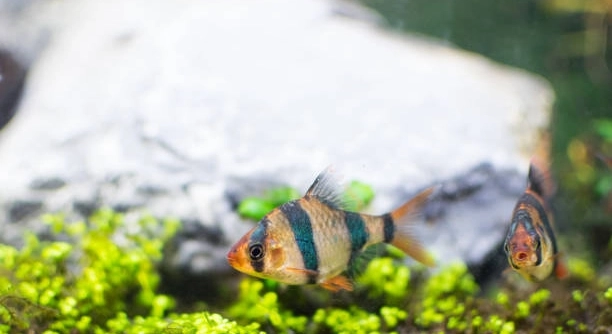
Are your Tiger Barbs constantly chasing each other, nipping fins, or darting around like they own the tank? These lively fish have strong personalities that need the right tank setup to feel comfortable and thrive.
The best tank themes for Tiger Barbs are those that offer open swimming space, structured hiding spots, and stimulation through variety. Environments like riverbeds, jungle roots, or rockscapes support their active, social behavior and reduce aggression.
Each of these themes can enhance your Tiger Barbs’ health and behavior while also making your tank more visually appealing and balanced.
Natural Riverbed Layout
A natural riverbed layout mimics the fast-flowing streams where Tiger Barbs originate. Use a dark sandy substrate, smooth river rocks, and scattered driftwood to create a soft, broken landscape. Add a few clumps of hardy plants like Java fern or Anubias on rocks to provide cover without overcrowding. Keep open swimming lanes through the center, and allow areas of light and shadow to alternate with the placement of decorations. This type of setup supports their high activity levels and reduces stress by offering structure and hiding spots. It also gives them a sense of territory, helping to minimize nipping.
This theme encourages more natural behavior and helps spread out territorial tension, especially in groups. Tiger Barbs can interact more fluidly, and the current-like setup keeps them moving.
When setting this up, ensure your filter provides some gentle flow. It makes the environment feel more realistic and keeps debris from building up. Maintain balance between open space and structure so they can dart around freely but still retreat when needed. Avoid overcrowding with too many ornaments or dense plants, as this can create frustration in such an active species. A riverbed theme creates a clean, calm space where they can swim confidently and display natural patterns.
Root-Tangle Jungle Look
Dense root-style decor mimics the tangled jungle streams these fish love. Keep the water slightly tinted with leaf litter or driftwood.
Tiger Barbs feel more secure in complex environments that give them places to hide while still allowing for fast movement. Jungle root themes are perfect for this. Use tall wood structures that stretch from the substrate upward, crossing each other to form natural tunnels. Add floating plants like Amazon frogbit to shade the top, calming their energy. Stick to fast-growing stems around the sides to leave the center open. This setup lowers aggression and helps nervous or bullied fish find space. The dimmed lighting from overhead plants reduces anxiety and brings out their deeper colors. These environments are also easier to maintain than they appear—just watch for trapped debris under roots and perform regular water changes. With this setup, Tiger Barbs remain lively without being overly aggressive, making them more pleasant to observe.
Minimalist Rockscape
This layout gives Tiger Barbs structure without overwhelming their space. Use smooth stones in varied sizes, stacked to form arches and caves. Keep the layout centered or off to one side to allow open areas for swimming.
A minimalist rockscape suits Tiger Barbs because it balances form and function. They’re active swimmers but still need occasional cover. With carefully arranged stones, you create hiding spots without losing space. Avoid sharp edges to prevent injury during their fast movements. Combine rocks with a dark background and subtle lighting to make their colors pop. You can also use low-growing plants like Cryptocoryne around the base of the rocks to soften the look. Keep the water flow moderate to circulate around the rocks and prevent dead zones. This setup supports their behavior while keeping tank maintenance easy. It also reduces tension between fish by offering clear boundaries and visual breaks.
Keeping things simple makes maintenance easier too. Fewer decorations mean quicker cleaning and less risk of waste building up. Use flat stones to anchor plants or even stack them for small shaded areas. Avoid overcrowding the bottom, as it’s important to leave swimming lanes open across the tank. This layout is especially useful if you’re combining Tiger Barbs with other active fish that appreciate the same open yet structured environment.
Leaf-Litter Blackwater Theme
This setup is ideal for softening their environment and calming overly aggressive behavior. The darker water tones down their high energy while still allowing interaction and exploration.
Use Indian almond leaves or dried oak leaves to scatter across the substrate. Add driftwood to support tannin release and create an earthy look. Keep lighting dim with floating plants like water lettuce. The tannins lower pH slightly, closer to their natural conditions, which helps improve their immune function and reduces stress. They’ll continue to school and chase, but with less intensity. Monitor water parameters closely since tannins can stain and cloud the water. Change leaves every few weeks and vacuum gently to avoid buildup. Pair this theme with soft filtration like sponge filters to keep water gentle. Leaf-litter setups are not just calming—they also make your tank look natural and grounded without needing complex plants or rocks.
Sunken Log Centerpiece
A large hollow log in the center of the tank creates a bold feature while giving Tiger Barbs a place to hide and explore. They swim through the openings often, which helps reduce tension within the group.
This setup is especially useful in community tanks. The log breaks up sightlines, giving fish a break from each other. Choose resin or real driftwood, but make sure it’s smooth and stable.
Fast-Flow Stream Design
Use a powerhead or strong filter output to simulate a gentle current. Tiger Barbs enjoy swimming into the flow and often school together more tightly in moving water. Anchor decorations securely to avoid shifting, and avoid light substrate that could stir up with the flow.
Floating Plant Canopy
Floating plants help block bright lights and give Tiger Barbs a sense of security. They dart in and out of the roots but also stay calmer with less overhead stress. Frogbit or Salvinia work well and grow quickly.
FAQ
What tank size is best for Tiger Barbs?
A minimum of 30 gallons is recommended for a small group of Tiger Barbs. They are active swimmers and need plenty of room to move around. More space helps reduce aggression and allows for natural schooling behavior.
How many Tiger Barbs should be kept together?
Keeping at least six Tiger Barbs is ideal. They feel safer in larger groups, which helps disperse their aggressive tendencies. Smaller groups tend to cause more fin-nipping and stress.
Can Tiger Barbs live with other fish?
Yes, but choose tank mates carefully. Tiger Barbs are semi-aggressive and may nip fins. Best companions are fast, robust fish that can handle their energy, like danios or larger barbs. Avoid slow or long-finned species.
What water conditions do Tiger Barbs prefer?
Tiger Barbs thrive in slightly acidic to neutral water, with a pH between 6.0 and 7.5. Temperatures should range from 74°F to 79°F. Stable water parameters help reduce stress and aggression.
How often should the tank be cleaned?
Perform weekly water changes of 20–25% to keep water quality high. Remove uneaten food and debris regularly. Maintaining cleanliness is vital because Tiger Barbs are sensitive to poor water conditions.
What plants work well with Tiger Barbs?
Hardy plants like Java fern, Anubias, and Cryptocoryne suit Tiger Barbs well. These plants tolerate their occasional fin nipping and provide needed hiding spots without overwhelming the tank. Floating plants can also help reduce light and calm behavior.
Do Tiger Barbs need a lot of hiding places?
Yes, hiding spots help reduce aggression and stress. Use rocks, driftwood, and plants to create secure zones. This setup lets less dominant fish escape bullying and feel safer.
How aggressive are Tiger Barbs?
They can be quite aggressive, especially when kept in small groups or in overcrowded tanks. Proper group size and tank decoration can help keep aggression at manageable levels.
What do Tiger Barbs eat?
Tiger Barbs are omnivores and eat a varied diet including flakes, pellets, live, and frozen foods. Providing diverse nutrition supports their health and vibrant colors.
How can aggression be minimized?
Keeping them in groups of six or more, providing plenty of space, and designing the tank with visual barriers and hiding spots help reduce aggression. Regular monitoring is important to catch problems early.
Is a strong water current necessary?
A moderate current simulating their natural habitat is beneficial. It encourages natural swimming behavior and helps keep the tank clean. Use a filter output or powerhead to create gentle flow.
Can Tiger Barbs jump out of the tank?
They can be quite active and may jump, especially when startled. A secure lid or cover is recommended to prevent escapes.
How long do Tiger Barbs live?
With proper care, Tiger Barbs typically live 5 to 7 years in captivity. Good water quality, nutrition, and environment contribute to their longevity.
Are Tiger Barbs sensitive to tank mates?
Yes, their semi-aggressive nature means they may harass slower or long-finned fish. Choose companions that can tolerate their behavior to maintain a peaceful tank.
Do Tiger Barbs require special lighting?
Normal aquarium lighting works well. Avoid overly bright lights, which can increase stress. Floating plants help filter light naturally and create a comfortable environment.
How often should feeding occur?
Feed Tiger Barbs small amounts 1-2 times daily. Overfeeding can pollute the tank, so feed only what they consume within a few minutes. A varied diet ensures balanced nutrition.
Creating the right tank environment for Tiger Barbs is essential for their well-being and happiness. These fish are energetic and social, so their habitat needs to reflect that. Giving them plenty of space to swim, places to hide, and stimulating surroundings helps reduce aggression and keeps them healthy. Choosing a tank theme that suits their natural behavior can make a big difference in how they interact with each other and how vibrant they appear. It is important to keep in mind that Tiger Barbs are not just beautiful fish but also require thoughtful care and setup.
Each tank theme offers different benefits, whether it’s a natural riverbed with flowing water, a root-tangle jungle with shaded areas, or a minimalist rockscape that balances open swimming space with hiding spots. These environments support their instincts while keeping the tank easy to maintain. In addition to the physical setup, attention to water quality, lighting, and compatible tank mates will influence their behavior. Well-planned decorations and plant choices provide structure without causing stress or overcrowding. This balance helps Tiger Barbs show their natural colors and reduces fin-nipping, making the tank more peaceful overall.
Remember, Tiger Barbs thrive in groups, so keeping them together in sufficient numbers is vital. Regular tank maintenance, proper feeding, and monitoring their behavior will ensure a healthy and lively aquarium. The goal is to create a stable, enriching environment that meets their needs and allows their personality to shine. By combining careful design with good care practices, you can enjoy a tank that is both beautiful and suited to the unique behavior of Tiger Barbs.

Hello,
If you enjoy the content that we create, please consider saying a "Thank You!" by leaving a tip.
Every little bit helps us continue crafting quality advice that supports the health, happiness, and well-being of pets around the world, for pets of all shapes, sizes, and species.
We really appreciate the kindness and support that you show us!