
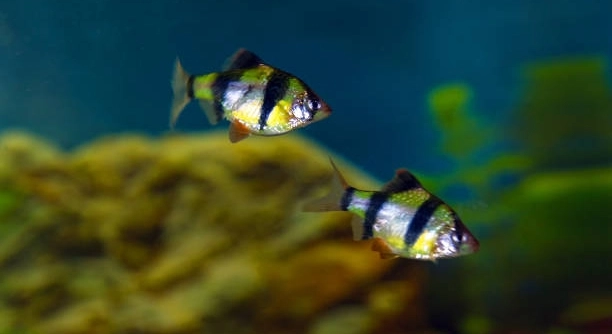
Tiger Barbs are popular freshwater fish known for their lively and social behavior in aquariums. Many fishkeepers enjoy watching their energetic interactions and schooling patterns. These fish usually thrive in groups and display a strong sense of community.
Tiger Barbs can become less social due to factors like overcrowding, stress, or changes in their environment. When these conditions occur, they may exhibit more aggressive or solitary behavior, deviating from their typical schooling nature. Proper care and tank management can help maintain their social tendencies.
Understanding what influences Tiger Barbs’ social behavior helps fishkeepers create a balanced and healthy environment. This knowledge supports better care and enhances the enjoyment of watching these lively fish.
Causes of Reduced Social Behavior in Tiger Barbs
Tiger Barbs usually enjoy being part of a school, but certain conditions can make them less social. One common factor is overcrowding. When too many fish are in a small tank, stress levels rise, and fish can start avoiding each other. Stress can also come from poor water quality or sudden changes in temperature. These environmental issues make fish uncomfortable and less likely to interact. Another cause is aggressive behavior within the group. If some Tiger Barbs become overly dominant, others may isolate themselves to avoid conflict. Illness or injury can also reduce a fish’s desire to socialize, as it focuses on recovery. Maintaining stable conditions and observing your fish regularly helps prevent these problems and keeps your Tiger Barbs active and social.
When Tiger Barbs feel safe and comfortable, they usually maintain their social behavior. Avoid overcrowding and keep the water clean for the best results.
Proper tank setup and good care are key to encouraging social behavior. Watching your fish interact can be rewarding when conditions support their natural habits.
How Tank Setup Affects Social Behavior
Tank size and layout directly affect how Tiger Barbs behave. A spacious tank gives them room to swim and school comfortably. Without enough space, they may become stressed and less social.
Providing hiding spots helps balance their activity with places to retreat. Plants, rocks, and decorations create a natural environment where they feel secure. This reduces stress and prevents aggression. Open swimming areas encourage group movement, which supports their schooling instincts. It’s important to keep water conditions stable, as fluctuations can disrupt their behavior. Regular maintenance, including water changes and filtration, promotes a healthy environment. In a well-arranged tank, Tiger Barbs are more likely to be active and social. When the environment feels safe, they return to their normal schooling behavior. Proper care and attention to tank setup help ensure that your Tiger Barbs remain lively and interactive, creating a more enjoyable aquarium experience.
Feeding and Its Impact on Social Behavior
Proper feeding helps Tiger Barbs stay healthy and social. Uneven feeding or poor diet can cause stress, making them less likely to interact.
Feeding a balanced diet with quality flakes, pellets, and occasional live or frozen foods supports their energy and behavior. When they get enough nutrients, Tiger Barbs are more active and tend to school together. Overfeeding or irregular feeding schedules can cause aggression or lethargy, which affects social interaction. Keeping a consistent feeding routine encourages healthy social habits and reduces competition during meal times.
Sometimes, food competition causes dominant fish to bully others, pushing some to isolate themselves. By feeding small amounts multiple times a day and spreading food evenly, you can help reduce this behavior and maintain harmony in the tank.
Recognizing Signs of Stress in Tiger Barbs
Stress often causes Tiger Barbs to become less social. Signs include hiding, loss of color, or erratic swimming.
When stressed, Tiger Barbs might avoid other fish and stay near the bottom or corners of the tank. They may lose their bright stripes and become pale or dull. Stress can weaken their immune system, making them prone to disease. Aggression may also increase as fish compete for limited resources. Paying close attention to these signs helps identify issues early. Stress can be caused by poor water quality, sudden changes, or incompatible tank mates. Addressing these factors promptly improves their well-being. Ensuring a calm environment and proper care helps Tiger Barbs regain their social nature and remain active members of the community.
Tank Mates and Social Behavior
Choosing the right tank mates influences how social Tiger Barbs remain. Aggressive or overly shy fish can disrupt their natural behavior.
Compatible tank mates promote a balanced environment where Tiger Barbs feel secure. Avoid species that are too passive or too aggressive to prevent stress and isolation.
Managing Aggression Within the School
Aggression among Tiger Barbs can reduce social interaction. It often happens when the group size is too small or there is a lack of hiding spots.
Keeping at least six Tiger Barbs helps spread aggression and lowers bullying. Providing plants and decorations offers places for fish to escape and rest. Regular monitoring allows early detection of aggressive individuals. Removing overly aggressive fish when necessary keeps peace in the tank. A well-managed school encourages more social behavior and reduces stress, creating a healthier and more active environment for all fish.
Importance of Water Quality
Clean water is essential for Tiger Barbs to stay social and healthy. Poor water conditions cause stress and illness, which lead to isolation.
Can Tiger Barbs Live Alone?
Tiger Barbs are naturally schooling fish and prefer living in groups. Keeping them alone often leads to stress and odd behavior. While they can survive alone, their social nature means they usually become shy, less active, and may stop showing their usual bright colors. For their well-being, it’s best to keep at least six Tiger Barbs together.
Why Are My Tiger Barbs Fighting?
Fighting happens when there is overcrowding, lack of space, or insufficient hiding spots. Aggression is also common if the group is too small because the dominant fish target fewer companions. Stress from poor water conditions or improper feeding can worsen aggression. Increasing tank size, adding decorations for hiding, and keeping a larger school usually reduce fighting.
Can Stress Make Tiger Barbs Stop Schooling?
Yes, stress from poor water quality, sudden temperature changes, or aggressive tank mates can cause Tiger Barbs to stop schooling. When stressed, they isolate themselves and swim alone. Maintaining stable water conditions and providing a calm environment encourages them to return to their normal social behavior.
How Many Tiger Barbs Should I Keep Together?
A minimum of six Tiger Barbs is recommended to encourage natural schooling. Smaller groups often cause aggression and social withdrawal. Larger groups distribute dominance and reduce bullying, making the fish more comfortable and interactive.
Do Tiger Barbs Get Along With Other Fish?
Tiger Barbs can be semi-aggressive and may nip fins of slow-moving or long-finned fish. They do better with fast, active species that can keep up with their energy. Avoid keeping them with very peaceful or shy fish to prevent stress and aggression.
Can Changes in Tank Setup Affect Tiger Barb Behavior?
Absolutely. Changes like rearranging decorations, adding new fish, or altering water parameters can stress Tiger Barbs. This stress may cause them to hide or become less social. Introducing changes gradually and maintaining stable water quality helps reduce negative impacts on their behavior.
What Is the Best Diet to Keep Tiger Barbs Healthy?
A varied diet of high-quality flakes, pellets, and occasional live or frozen foods like bloodworms or brine shrimp is ideal. Balanced nutrition keeps their energy up and supports healthy behavior. Avoid overfeeding to prevent aggression and health problems.
How Often Should I Change Water to Keep Tiger Barbs Social?
Regular water changes, about 20-30% weekly, maintain good water quality. Clean water reduces stress and disease, helping Tiger Barbs stay active and social. Testing water parameters frequently helps catch issues before they affect the fish’s behavior.
What Should I Do If One Tiger Barb Becomes Aggressive?
If aggression is extreme, try adding more fish to spread out dominance or rearrange tank decorations to create more hiding places. If the aggressive behavior continues, removing the dominant fish may be necessary to restore peace and encourage social interaction among the rest.
Can Illness Cause Tiger Barbs to Become Less Social?
Yes, sick fish often isolate themselves to conserve energy and avoid conflict. Common illnesses like ich or fin rot cause discomfort and reduce activity. Prompt treatment and maintaining clean water help the fish recover and return to normal social behavior.
Is It Normal for Tiger Barbs to Change Social Behavior Over Time?
Tiger Barbs can change behavior due to age, environment, or health. Older fish might be less active, while changes in tank conditions can alter social patterns. Watching your fish regularly helps you notice these shifts and respond to their needs.
Can Lighting Affect Tiger Barb Social Behavior?
Lighting influences fish activity. Too bright or too dim lighting can cause stress or inactivity. Moderate lighting that mimics their natural environment supports normal schooling behavior and reduces hiding or aggression.
Do Tiger Barbs Need Hiding Spots?
Yes, hiding spots reduce stress and aggression. They provide a safe place for less dominant fish to rest and avoid conflict. Plants, rocks, and decorations improve tank structure and encourage healthier social interactions.
Can Adding New Fish Affect Tiger Barb Social Behavior?
Introducing new fish may cause temporary stress and changes in social dynamics. Tiger Barbs might hide or act aggressively until the group settles. Introducing fish slowly and monitoring behavior helps minimize disruption.
How Can I Tell If My Tiger Barbs Are Happy and Social?
Happy Tiger Barbs swim actively in groups, show bright colors, and display natural schooling behavior. They interact without constant aggression and explore their environment. Regular observation helps you understand what normal behavior looks like for your fish.
Tiger Barbs are lively and social fish that usually enjoy living in groups. Their natural behavior is to swim together in schools, which helps them feel safe and comfortable. When they start acting less social, it often means something in their environment is not right. Changes in water quality, tank size, or the number of fish can all affect how they behave. By paying close attention to these factors, you can help your Tiger Barbs stay active and friendly with each other.
Keeping the tank clean and well-maintained is very important for the health and social behavior of Tiger Barbs. Regular water changes and checking water parameters like temperature, pH, and ammonia levels prevent stress and illness. Stress is a common reason why these fish become less social or aggressive. It can also come from overcrowding or the wrong mix of tank mates. Making sure the tank is large enough and includes hiding spots will help reduce tension among the fish and encourage more natural schooling behavior.
Feeding also plays a role in how Tiger Barbs interact. A balanced diet with good-quality flakes, pellets, and occasional live or frozen foods gives them the energy they need to stay active. Overfeeding or not feeding enough can cause stress and change their behavior. Finally, watching your fish regularly allows you to notice changes early. If you see signs of stress or aggression, acting quickly by improving their environment or separating aggressive fish will keep the group peaceful and social. Taking these steps ensures your Tiger Barbs stay happy and lively for a long time.

Hello,
If you enjoy the content that we create, please consider saying a "Thank You!" by leaving a tip.
Every little bit helps us continue crafting quality advice that supports the health, happiness, and well-being of pets around the world, for pets of all shapes, sizes, and species.
We really appreciate the kindness and support that you show us!