
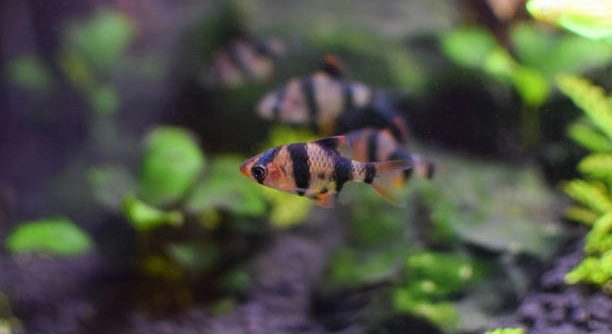
Tiger Barbs are colorful, lively fish often found in home aquariums. They tend to behave differently during daylight hours, sometimes staying hidden or less active. Understanding their light preferences can improve how we care for them.
Tiger Barbs might avoid daylight because they are naturally shy and prefer low-light environments. Bright light can stress them, triggering hiding behavior as a defense mechanism. Their habitat in the wild often includes shaded areas, influencing this preference.
Knowing why Tiger Barbs avoid daylight helps create a better tank environment for their comfort and health. This article will explain their behavior and how to support their natural needs.
Natural Habitat and Light Preferences
Tiger Barbs come from slow-moving streams and rivers in Southeast Asia, where sunlight is often filtered through dense plants and tree canopies. These shaded waters provide a calm and protected environment. In captivity, bright aquarium lights mimic the harsh exposure they avoid in the wild. When exposed to strong light, Tiger Barbs may feel vulnerable, leading them to seek shelter among plants, rocks, or decorations. Their behavior reflects their instinct to stay safe from predators that hunt in open, well-lit areas. Adjusting light levels in the tank can help reduce stress and encourage natural behavior. Using dimmer lights or providing shaded spots allows these fish to feel more secure and active during the day.
Tank setup plays a crucial role in managing their comfort with light. Adding plenty of hiding places can make a big difference.
Creating a natural environment with proper lighting and plenty of cover supports the well-being of Tiger Barbs. This reduces stress and promotes healthier activity patterns, making them more visible and lively during the day. A balance of light and shade replicates their natural habitat and helps them thrive.
How Light Affects Tiger Barb Behavior
Bright light can cause Tiger Barbs to become shy and retreat into hiding. Too much exposure may stress them out.
When Tiger Barbs experience intense light, their stress levels increase, leading to changes in their behavior and physiology. Stress can weaken their immune system, making them more prone to illness. The fish may swim less, hide more often, or show signs of irritation, such as fin clamping. Stressful lighting conditions can also disrupt their feeding patterns, affecting their growth and overall health. Offering a gradual light schedule with dim periods helps Tiger Barbs adjust better to daytime conditions. Using floating plants or tank decorations to soften light can further reduce stress. By understanding how light impacts these fish, aquarium owners can improve care practices and create a healthier, more comfortable environment that encourages natural behavior. This thoughtful approach helps maintain a balanced and vibrant tank community.
Adjusting Aquarium Lighting for Tiger Barbs
Lowering light intensity can help Tiger Barbs feel less stressed. Using dimmable LEDs or placing the tank away from direct sunlight reduces brightness.
Creating a lighting schedule that mimics natural conditions helps Tiger Barbs adjust better. Gradually increasing and decreasing light throughout the day prevents sudden changes that may frighten them. Adding floating plants or broad-leafed decorations softens the light entering the tank, providing shaded areas. This setup encourages the fish to swim more freely and feel secure. Observing their behavior during different lighting conditions can guide adjustments for their comfort.
Consistency in light cycles is important. Avoid turning lights on and off abruptly. Smooth transitions keep Tiger Barbs calm and active. Providing dark corners or caves supports their need to hide when desired. These simple changes improve their quality of life in captivity, allowing them to display natural behavior and vibrant colors.
Tank Setup and Its Influence on Daylight Avoidance
Providing plenty of hiding spots helps Tiger Barbs cope with bright light. Plants, rocks, and decorations create secure spaces.
Dense vegetation mimics their natural environment and offers refuge during intense light periods. Caves and tunnels provide additional shelter options. Open swimming areas should be balanced with shaded zones to accommodate their activity preferences. A well-decorated tank reduces stress and encourages natural movement patterns. The structure of the tank influences how much light reaches different parts, allowing fish to choose their preferred light level. Regularly changing the layout can keep their environment stimulating but should be done carefully to avoid causing stress.
Proper tank design benefits all fish by creating a more natural habitat. Attention to lighting and hiding places reduces daylight avoidance and promotes healthier social interactions among Tiger Barbs. It also helps maintain a stable community with less aggression and better overall health.
Feeding Habits and Daylight Activity
Tiger Barbs tend to feed more actively in dimmer light conditions. Bright light can make them hesitant to come out and eat.
Feeding during lower light or twilight hours can encourage better eating habits. Adjusting feeding times helps match their natural behavior, improving their health and reducing stress.
Stress and Its Impact on Behavior
Stress from bright light causes Tiger Barbs to hide and become less social. They may also show physical signs like faded colors or clamped fins.
Minimizing stress through proper lighting and tank setup promotes natural behavior and keeps the fish healthy and vibrant.
Using Plants to Create Shade
Plants provide natural cover and reduce light intensity in the tank. They help Tiger Barbs feel safe and more comfortable.
Why do Tiger Barbs hide during the day?
Tiger Barbs often hide during daylight because bright light makes them feel vulnerable. In their natural habitat, they live under plants and shaded areas, which help protect them from predators. When the light is too strong in an aquarium, they instinctively seek cover to feel safe and reduce stress.
Can adjusting the lighting help Tiger Barbs be more active?
Yes, adjusting the lighting can make a big difference. Using dimmer lights or setting a gradual light schedule helps Tiger Barbs feel more comfortable. Adding floating plants or decorations to create shaded spots also encourages them to swim openly and be more active during the day.
Is it normal for Tiger Barbs to be less visible in bright light?
It is normal. Tiger Barbs are naturally shy and tend to avoid strong light. This behavior is not a sign of illness but an instinct to stay safe. Providing shaded areas and controlling light intensity can help them feel secure and more visible.
How can I create the best environment for Tiger Barbs in my tank?
The best environment includes plenty of plants, rocks, and hiding spots to offer shade and protection. Soft, adjustable lighting that mimics natural daylight cycles is important. Regular tank maintenance and a stable water temperature also help keep Tiger Barbs healthy and stress-free.
Will Tiger Barbs get used to brighter light over time?
They can adapt to some degree, but sudden or very bright lighting usually causes stress. Gradually increasing light levels over weeks allows them to adjust slowly. However, it’s best to keep lighting closer to their natural preference to avoid ongoing discomfort.
Does hiding affect Tiger Barbs’ feeding habits?
Hiding can make Tiger Barbs hesitant to eat, especially if feeding happens during bright light. Feeding during dimmer parts of the day or after lights are lowered encourages them to come out and eat properly. This supports their health and growth.
Are there specific plants that help Tiger Barbs feel safer?
Yes, broad-leafed plants like Java Fern, Anubias, or floating plants such as Duckweed provide excellent shade. These plants help reduce light intensity and create natural hiding spots, making Tiger Barbs feel more secure in the tank.
Can stress from bright light lead to illness in Tiger Barbs?
Stress weakens their immune system, which can make Tiger Barbs more vulnerable to diseases. Constant exposure to harsh light without places to hide can lead to chronic stress. Reducing light intensity and providing shelter helps prevent health problems.
Should I turn off the tank lights at night for Tiger Barbs?
Yes, turning off the lights at night is important. Tiger Barbs need a clear day-night cycle to rest properly. Darkness signals that it’s time to sleep, which supports their overall health and natural behavior.
How do I know if my Tiger Barbs are stressed due to light?
Signs include hiding more than usual, clamped fins, faded colors, or sluggish swimming. If these symptoms appear after changing lighting or tank conditions, adjusting light levels and adding shade can improve their comfort.
Can Tiger Barbs live happily in a brightly lit tank?
They generally prefer lower light levels, but with careful adjustments like shaded areas and gradual light changes, they can live comfortably. Brightly lit tanks without shelter cause stress and reduce their natural activity.
Is it better to have a planted tank for Tiger Barbs?
A planted tank is ideal. Plants provide shade, reduce light intensity, and create hiding spots, helping Tiger Barbs feel safe. They also improve water quality and support natural behaviors.
How often should I change the lighting schedule for Tiger Barbs?
Stick to a consistent light cycle that mimics natural daylight, about 8 to 10 hours of light daily. Avoid sudden changes in timing or brightness. Consistency helps reduce stress and supports healthy behavior.
Can Tiger Barbs become more social if their lighting is improved?
Yes, comfortable lighting and a well-structured tank encourage Tiger Barbs to be more active and social. When they feel safe, they interact more with tank mates and explore the aquarium freely.
What is the best way to introduce Tiger Barbs to a new tank lighting setup?
Introduce new lighting gradually over several weeks. Start with dimmer settings and slowly increase brightness to avoid shocking the fish. Adding plants and decorations during this transition helps them adjust comfortably.
Tiger Barbs are naturally inclined to avoid bright light because it reminds them of potential danger. In the wild, these fish live in shaded waters where sunlight is filtered through plants and trees. This environment makes them feel safe and comfortable. When kept in an aquarium with strong or direct light, Tiger Barbs may hide more often or become less active. Understanding this natural behavior helps aquarium owners create better living conditions for their fish. By adjusting the lighting and adding plenty of hiding spots, we can reduce the stress these fish feel and encourage healthier, more natural behavior.
Creating a balanced environment is key to the well-being of Tiger Barbs. Providing dimmable lights or placing the tank in a location away from direct sunlight mimics their natural habitat. Adding floating plants, rocks, and decorations offers shaded areas where they can retreat when they feel threatened by bright light. This setup not only makes them feel secure but also promotes their activity during the day. Maintaining a steady light schedule that gradually changes helps Tiger Barbs adjust to the aquarium environment more easily, preventing sudden stress. Paying attention to their behavior during different lighting conditions can guide necessary adjustments.
Overall, caring for Tiger Barbs means respecting their natural preferences and instincts. While it might be tempting to keep the tank brightly lit for better viewing, it’s important to remember that the fish’s comfort comes first. By providing a mix of light and shade, consistent lighting cycles, and plenty of hiding places, we create a space where Tiger Barbs can thrive. This simple but thoughtful approach supports their health, encourages social interaction, and helps maintain their vibrant colors. Taking these steps ensures that Tiger Barbs live happier and longer in home aquariums.

Hello,
If you enjoy the content that we create, please consider saying a "Thank You!" by leaving a tip.
Every little bit helps us continue crafting quality advice that supports the health, happiness, and well-being of pets around the world, for pets of all shapes, sizes, and species.
We really appreciate the kindness and support that you show us!