
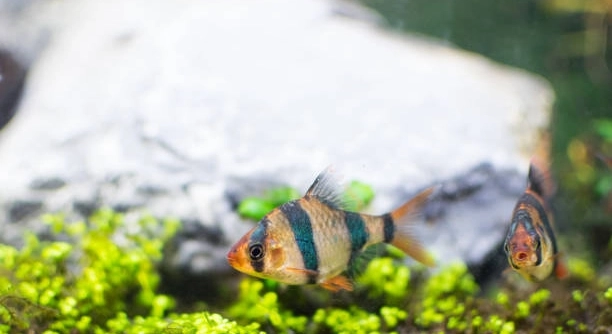
Do you ever find yourself watching your tiger barbs swim and wonder why they always stick so close to each other in the tank?
Tiger barbs prefer schooling together because it is a natural behavior that helps reduce stress, improves their sense of safety, and encourages more active and social interactions. This schooling instinct also helps regulate their aggression.
Learning why this behavior matters can help you create a more balanced and comfortable environment for your fish.
Why Schooling Reduces Stress in Tiger Barbs
In the wild, tiger barbs naturally form groups to stay safe from predators. This behavior carries over when they’re kept in home aquariums. When they swim together in a group, they feel more secure and less threatened. Being surrounded by other tiger barbs helps them stay calm, lowers their stress levels, and encourages healthy activity. A stressed tiger barb may show signs like hiding, nipping at others, or losing its color. But in a school, they tend to be more active and display brighter colors. A group of at least six is usually enough to help them feel comfortable. If they are kept in smaller numbers, they can become aggressive or withdrawn. The constant movement of a group also keeps them engaged and responsive to their surroundings. This makes the tank feel more alive and natural, and it keeps the fish healthier overall in the long run.
Tiger barbs rely on group behavior for comfort and security, so being alone or with too few tank mates can affect their well-being.
Keeping your tiger barbs in a proper group doesn’t just help them feel at ease—it also leads to better appetite, brighter colors, and smoother interactions. It’s a simple way to help them thrive.
How Schooling Controls Aggression
Tiger barbs are known to nip fins and chase others when they feel agitated or bored. In smaller groups, this behavior is more common because they don’t have enough distractions or structure.
In a larger school, their natural pecking order is easier to manage. With more fish to focus on, the aggression gets spread out and becomes less intense. This creates a more stable group dynamic, which reduces conflict and keeps all the fish more active in a positive way. When housed in groups of six or more, they often redirect their chasing behavior into synchronized swimming or playful darting, which is less stressful for other tank mates. Their confidence also increases, and they’re less likely to hide or lash out. A well-sized group keeps them socially balanced, which helps prevent bullying and constant chasing. This doesn’t just protect other species in a community tank—it also keeps your tiger barbs from injuring each other over time.
How Schooling Encourages Natural Behavior
Tiger barbs feel more confident when they are part of a group, which encourages them to act more like they would in the wild. This includes exploring, chasing, and swimming in patterns together.
In a school, tiger barbs tend to swim more actively and engage in short bursts of group chasing, which is part of their normal behavior. These movements are not aggressive but rather a way of staying in sync and connected. When kept alone or in small numbers, they may stop displaying these patterns altogether. This can lead to boredom, stress, and even aggression toward other fish in the tank. By observing each other and responding to group cues, they remain mentally stimulated. The group energy also motivates more balanced eating and sleeping habits, creating a steady rhythm in their daily activity that benefits the whole tank environment.
Swimming together helps tiger barbs stay alert and responsive. It’s a kind of communication that helps them react quickly to changes in their surroundings. If one fish notices movement or food, the others follow. This shared awareness helps them avoid danger and find food faster. It also supports their instinct to keep moving, which prevents lethargy and stress. Schooling keeps their minds and bodies active.
Tank Setup Matters for Schooling
Tiger barbs need space to swim as a group. A long tank with plenty of open water is better than a tall or narrow setup. This helps them move freely and stick together.
A tank of at least 20 gallons is usually recommended for a small group, but larger is better if you plan to add more barbs or other fish. Choose a layout with clear swimming space in the middle and plants or décor on the sides. This gives the school room to move while still offering places to rest or hide if needed. Keep the water temperature stable, ideally between 74–79°F, and make sure the current isn’t too strong. Bright lighting can help bring out their colors, but avoid sudden changes. Filtration should be strong enough to keep the water clean but not so powerful that it disrupts their movement. A peaceful setup supports healthy schooling and reduces tension in the tank.
How Schooling Helps With Feeding
Feeding is more effective in a group because tiger barbs are competitive eaters. When they see others eating, they’re more likely to eat quickly, which helps reduce waste and keeps the tank cleaner.
A school also helps prevent one fish from hoarding food. The movement keeps everyone active and engaged during feeding.
Signs Your Tiger Barbs Need a Bigger Group
If your tiger barbs are nipping fins more often, hiding for long periods, or losing their bright color, they may feel unsafe. These are signs they could benefit from a larger group. Keeping them in a group of six or more usually improves their behavior and overall health. They will swim more freely, show natural patterns, and eat more consistently. If you notice one fish being picked on repeatedly, that’s another clue the school is too small. Adding a few more barbs can help spread out attention and reduce tension in the tank. Group size really does make a difference.
Tank Mates to Avoid
Avoid pairing tiger barbs with slow-moving fish or species that have long fins, like angelfish or bettas. They tend to nip and chase these types.
FAQ
How many tiger barbs should be kept together?
The ideal number is six or more. Tiger barbs are schooling fish, and small groups can lead to stress and aggression. When kept in larger groups, they spread out their energy, become more social, and behave more naturally. This helps reduce fin nipping and bullying. A group of six is usually the minimum for balance, but even more is better if your tank can handle it. Larger schools tend to be more active, colorful, and peaceful overall. Always check your tank size to make sure there’s enough space for the group to swim comfortably.
Can tiger barbs live with other fish?
Yes, they can live with other fish, but it depends on the species. They should not be housed with slow-moving or long-finned fish like angelfish or guppies. Tiger barbs are fast and can be a bit too energetic for calm tank mates. Good companions include danios, loaches, and some types of tetras—basically, fish that can match their energy level. Always keep the tiger barbs in a school to reduce the chances of them bothering other fish. The key is choosing tank mates that can tolerate their quick movements and group behavior.
Why do tiger barbs chase each other?
Chasing is part of their natural behavior. In a school, tiger barbs often play and establish a social order through short chases. It’s not always aggression. However, if there are too few of them, this behavior can turn into bullying. In a well-sized group, chasing usually balances out and becomes more playful than harmful. If one fish is constantly singled out, though, it could be a sign that the school isn’t large enough or that the tank layout isn’t allowing enough room to break up tension.
What happens if tiger barbs are kept alone?
A single tiger barb often becomes stressed. It might hide more, stop eating, or act aggressively toward other fish. Without a school, it feels unsafe and unsure of its surroundings. This can lead to dull colors and low activity levels. Tiger barbs are wired to live in groups, so isolation has a strong impact on their mood and health. Even two or three barbs might not be enough to make them feel secure. For their well-being, it’s always best to keep them in a proper group.
How much space do tiger barbs need?
A group of six tiger barbs needs at least a 20-gallon tank, but more space is better. They’re very active swimmers and need room to move together. A long tank with open space in the middle helps them stick close as a group. If you plan to keep a larger school or add other fish, you’ll need to go up in size. Crowding them can lead to stress, aggression, and water quality issues. Think of space as part of their care—it’s just as important as food or clean water.
Do tiger barbs get bored?
Yes, they can. Without enough activity or stimulation, tiger barbs might start picking on other fish or stop moving around as much. A school helps prevent boredom because they engage with each other constantly. You can also add plants, rocks, or decorations to give them places to swim through or explore. Changing up their environment every so often, like rearranging decor, helps keep them active and alert. Feeding them in small amounts throughout the day instead of all at once can also keep them more engaged.
How can I tell if my tiger barbs are happy?
Happy tiger barbs are active, colorful, and stay close to their school. They explore the tank together, eat regularly, and don’t hide often. Their movements are quick and playful, but not overly aggressive. If you notice consistent nipping, dull color, or one fish being chased nonstop, something might be off. That could mean the school is too small, the tank is too tight, or the water conditions need adjusting. When conditions are right, tiger barbs show their best behavior and add a lot of life to your aquarium.
Final Thoughts
Tiger barbs are beautiful, active fish that bring a lot of movement to a tank. But to truly see their natural behavior, they need to be kept in a group. Schooling is not just something they enjoy—it’s something they rely on for comfort, safety, and social balance. A small group can lead to problems like fin-nipping, stress, and hiding. But when kept in a proper school, they are more peaceful, playful, and colorful. Their energy spreads out more evenly, which helps them get along with others and stay healthy. Watching them swim together can also be more enjoyable and calming for anyone who keeps them.
Creating the right space for them to thrive is simple with the right setup. Give them a tank with enough room to swim, use plants and décor to offer cover, and keep the water clean and stable. Choose tank mates that match their activity level, and try to avoid pairing them with slow or delicate fish. Feeding them in a group also keeps things balanced and can prevent food-related stress. Little changes like these can make a big difference. Even if you’re new to fishkeeping, paying attention to their social needs is an easy way to support their health and happiness.
When cared for properly, tiger barbs can live active and fulfilling lives in your aquarium. Their group behavior is more than just interesting to watch—it’s essential for their well-being. Every part of their care, from tank size to group numbers, affects how they act and feel. Whether you’re keeping a small school or a larger community, understanding their schooling needs will help you make better choices. It also helps create a peaceful and balanced tank environment overall. With a bit of attention to their natural habits, tiger barbs can remain lively, colorful, and engaging members of your aquarium for years to come.

Hello,
If you enjoy the content that we create, please consider saying a "Thank You!" by leaving a tip.
Every little bit helps us continue crafting quality advice that supports the health, happiness, and well-being of pets around the world, for pets of all shapes, sizes, and species.
We really appreciate the kindness and support that you show us!