
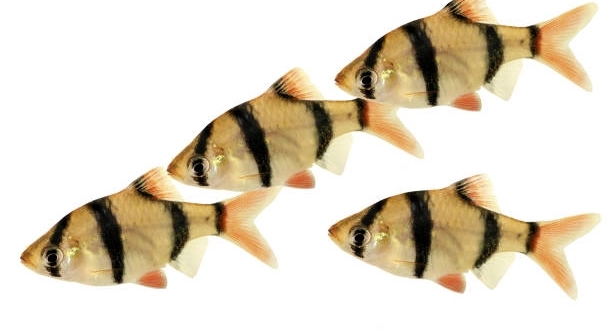
Tiger barbs are lively fish that many aquarium lovers enjoy keeping. Knowing when they are ready to breed helps create the right environment for successful spawning. Recognizing these signs is important for anyone interested in breeding tiger barbs.
A breeding-ready tiger barb shows clear physical and behavioral changes, such as brighter colors, active swimming patterns, and distinct pairing behaviors. These indicators help aquarists identify when the fish are prepared for reproduction.
Learning to spot these signs can improve your chances of raising healthy fry and maintaining a balanced tank environment.
Physical Changes in Breeding-Ready Tiger Barbs
When tiger barbs are ready to breed, their colors become much brighter. The males, especially, show vivid red on their fins and a deeper golden body color. Their stripes also appear sharper and more defined. These changes make them stand out more in the tank. You may notice that their fins look more spread out and healthy as well. The body shape might become slightly fuller, but this is less obvious than the color shift. These physical signs help distinguish breeding-ready tiger barbs from others who are not ready yet. It is important to have good water quality and nutrition to support these changes, so the fish can reach breeding condition naturally.
Bright coloration is a strong sign that tiger barbs are ready to breed and healthy.
Watching for these physical shifts is one of the easiest ways to tell if your tiger barbs are prepared. Maintaining stable water conditions and feeding high-quality food will encourage these changes. When males show off their brighter fins, it often means they are trying to attract females. Females may also look slightly rounder when carrying eggs. Observing these details helps you know when to set up a proper breeding tank to increase the chance of successful spawning.
Behavioral Signs of Breeding Readiness
Tiger barbs start to swim more actively as breeding time approaches. They may chase each other or dart around the tank with more energy. Males often display courtship behaviors by nudging females or swimming alongside them. Sometimes they form pairs and spend time together near plants or decorations. This increased activity shows they are ready to mate soon.
During breeding readiness, tiger barbs become noticeably more social and interactive.
You might also see some mild aggression between males as they compete for the attention of females. This behavior is normal but should be monitored to prevent stress. Setting up hiding spots in the tank can help reduce any tension. Watching these behavior patterns closely will tell you when to prepare breeding equipment or separate fish if needed. Understanding these actions helps create the right conditions for healthy breeding and fry development.
Environmental Factors That Trigger Breeding
Stable water temperature is key for tiger barbs to start breeding. They usually prefer temperatures between 75°F and 79°F. Slight changes can encourage spawning. Clean water with regular changes also supports breeding behavior. Soft to moderately hard water is best.
Maintaining ideal water conditions is essential to encourage breeding readiness. Fluctuations in temperature or poor water quality can delay or stop spawning altogether. Using a reliable heater and frequent testing helps keep water stable. It’s also important to avoid overcrowding, which stresses the fish and reduces breeding chances. Adding plenty of plants or decorations provides hiding spots and encourages natural behavior. A quiet, calm environment with minimal disturbance helps the fish feel safe and ready to reproduce.
Lighting also affects breeding. Moderate lighting encourages normal activity without causing stress. Too much light can make fish shy, while too little may reduce energy levels. Aim for about 10–12 hours of light daily, which mimics their natural environment.
Changes in Appetite Before Breeding
Tiger barbs often eat more before spawning. They need extra energy for courtship and egg production. A varied diet rich in protein supports this increased demand.
Increasing feeding frequency with quality foods like live or frozen brine shrimp, bloodworms, and high-protein flakes helps prepare fish for breeding. Well-fed fish show better colors and stamina during courtship. It’s best to feed small amounts several times a day rather than one large meal to avoid polluting the tank. Proper nutrition also supports the female’s ability to produce healthy eggs and the male’s stamina for chasing and courting. Watching their appetite closely can help you time the breeding setup correctly, ensuring the fish are in their best condition.
Pair Bonding Behavior
Tiger barbs ready to breed often form noticeable pairs. Males and females will swim closely together, showing a clear bond. This pairing is a sign they are preparing to spawn soon.
The pair may spend more time near plants or corners of the tank, away from other fish. This helps protect eggs once they are laid.
Increased Territory Defense
Breeding tiger barbs become more territorial, especially males. They guard specific areas in the tank and chase away intruders. This behavior helps protect potential spawning sites.
Territorial defense is important to reduce stress and ensure the safety of eggs during breeding. Providing enough space helps manage this behavior.
Changes in Swimming Patterns
Before breeding, tiger barbs often swim in more deliberate, slower motions. This behavior contrasts with their usual quick, darting movements.
These changes signal readiness for courtship and egg laying.
Spawning Site Preparation
Breeding tiger barbs select and prepare specific areas for laying eggs. They may clean a flat surface or plant leaves. This behavior ensures eggs have a safe place to develop.
FAQ
How can I tell if my tiger barbs are actually breeding?
You will notice the female laying eggs on plants or flat surfaces, usually in the early morning. The male will follow closely behind to fertilize the eggs. After spawning, the eggs will stick to these surfaces and hatch in a few days. Watch for increased activity around these spots and the presence of tiny eggs or fry.
What is the best tank setup for breeding tiger barbs?
A separate breeding tank with soft, clean water is ideal. Keep the temperature steady around 77°F. Add fine-leaved plants or spawning mops where eggs can attach. Keep the tank quiet with low lighting to reduce stress. Avoid adding too many fish to prevent aggression and increase survival chances for the fry.
Do tiger barbs eat their eggs or fry?
Yes, tiger barbs are known to eat their eggs and fry if left in the same tank. To protect the eggs, remove the adults after spawning or use a breeding tank with a divider. Some breeders collect the eggs and place them in a separate container until they hatch.
How long does it take for tiger barb eggs to hatch?
Tiger barb eggs typically hatch within 24 to 36 hours after being laid, depending on water temperature. Warmer water speeds up development, while cooler water slows it down. After hatching, the fry remain attached to surfaces for a short time before swimming freely.
What do tiger barb fry eat?
Fry need very small food like infusoria, liquid fry food, or freshly hatched brine shrimp. Start feeding tiny amounts several times a day. As they grow, you can gradually introduce finely crushed flakes or baby fish food. Keeping the water clean is important to ensure fry survival.
How often should I change water during breeding?
Frequent but small water changes are best during breeding and fry growth. Change about 10–20% of the water every day or every other day to keep the water clean without stressing the fish. Avoid sudden temperature changes or strong water currents in the breeding tank.
Can I breed tiger barbs with other species?
It’s not recommended to breed tiger barbs with other species because hybrid offspring are rare and often unhealthy. Tiger barbs breed best with their own kind in a controlled environment to ensure pure, healthy fry.
What are common problems when breeding tiger barbs?
Common issues include aggression among males, poor water quality, and egg predation by adults. Overcrowding and incorrect temperature can also prevent spawning. Monitoring water conditions and separating adults after spawning can help reduce these problems.
How long does it take for tiger barbs to reach breeding maturity?
Tiger barbs usually become ready to breed around 6 to 8 months old. Good diet and water conditions can help them mature faster. Males show brighter colors when ready, and females may look rounder due to eggs.
Is special lighting needed for breeding?
Moderate lighting for about 10 to 12 hours daily is sufficient. Too much light may cause stress, while too little can reduce activity. Natural daylight cycles work well for encouraging normal behavior and spawning.
How can I encourage breeding if my tiger barbs are not spawning?
Check water temperature, quality, and diet first. Increase feeding with high-protein foods and maintain stable, ideal water conditions. Adding live plants and creating hiding spaces can also stimulate breeding. Sometimes separating males and females for a short time before putting them together again can trigger spawning behavior.
Tiger barbs are beautiful and active fish that can be rewarding to breed when you know what signs to look for. Recognizing when they are ready to breed helps you prepare the tank and care for them properly. Watching for physical changes like brighter colors and changes in behavior such as increased activity or pairing can give clear clues. Paying attention to their environment and feeding habits also plays an important role in encouraging successful breeding. When you understand these signs, you can create the best conditions to support the fish through the spawning process.
Maintaining stable water conditions is key to keeping tiger barbs healthy and ready to breed. This includes controlling temperature, water quality, and ensuring there is enough space and hiding spots in the tank. Clean water and the right diet support their health and improve chances for successful spawning. It’s also important to be aware of how their behavior changes during breeding readiness, such as males becoming more territorial or pairs spending time together near potential spawning sites. Knowing these details can help you avoid common problems and make the breeding process smoother.
Breeding tiger barbs requires patience and careful observation. Not all fish will breed immediately, and some may take time to show signs of readiness. By providing the right care and environment, you increase the chance of successful breeding and healthy fry. Watching the fish closely, adjusting feeding and tank conditions, and being ready to separate adults if needed will make the experience more rewarding. Understanding these key signs of breeding readiness ensures you are well prepared to support your tiger barbs through this natural part of their life cycle.

Hello,
If you enjoy the content that we create, please consider saying a "Thank You!" by leaving a tip.
Every little bit helps us continue crafting quality advice that supports the health, happiness, and well-being of pets around the world, for pets of all shapes, sizes, and species.
We really appreciate the kindness and support that you show us!