
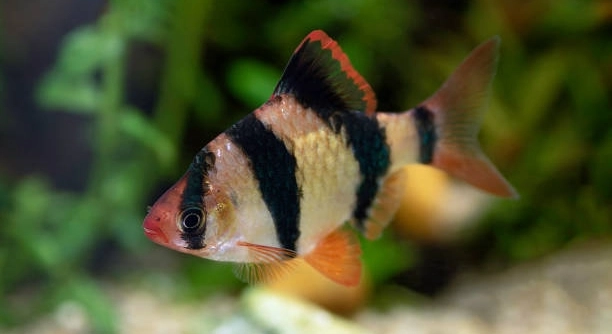
Tiger barbs are popular freshwater fish known for their vibrant colors and active behavior. Many aquarium owners enjoy watching them swim and interact in community tanks. Understanding their needs helps ensure they stay healthy and happy.
Tiger barbs do not require a specific resting period like some other species. They are active swimmers throughout the day but benefit from a consistent light-dark cycle to regulate their behavior and reduce stress.
Knowing how to care for tiger barbs properly will improve their well-being and your enjoyment of their lively presence in the tank.
Understanding Tiger Barbs’ Activity Patterns
Tiger barbs are naturally active fish. They spend most of their time swimming around the tank, exploring their environment, and interacting with other fish. Unlike some species that rest quietly for long periods, tiger barbs tend to stay alert throughout the day. Their energy comes from frequent bursts of movement rather than long rests. It’s important to provide a tank setup that supports this lifestyle. Good water quality, stable temperature, and plenty of swimming space all help keep tiger barbs comfortable and active. They also respond well to a regular light schedule, which mimics natural day and night cycles. This helps keep their behavior balanced and reduces stress. Over time, you may notice their activity slow slightly during the night, but this is not the same as a resting period. Instead, it’s a natural reduction in movement to conserve energy while still staying aware of their surroundings.
Proper care helps maintain their active behavior and prevents health issues.
A consistent routine that includes feeding and lighting supports tiger barbs’ natural rhythms and keeps them healthy.
Do Tiger Barbs Need a Resting Period?
Tiger barbs do not require a designated resting period. Unlike nocturnal or crepuscular fish that rest or hide for long stretches, tiger barbs remain semi-active during most of the day. Their bodies do not enter a deep rest state like mammals do. Instead, they lower their activity during darker hours naturally. This reduced movement is enough for them to conserve energy and recover. While they don’t sleep in the traditional sense, this lighter rest helps maintain their health. It’s best to avoid disturbing them during these quiet periods. If their environment is stable and free of stress, tiger barbs will thrive with this natural activity-rest cycle.
They rely more on consistent conditions than on any forced resting period for well-being. Maintaining clean water and a steady schedule is essential for their balance.
Keeping your tank environment stable ensures tiger barbs maintain their natural rhythms and good health.
Signs Tiger Barbs Are Resting
Tiger barbs show subtle signs when they are resting. They slow down their swimming and may hover in one spot. Their fins might move less actively, and they seem less responsive to sudden movements or light changes.
Resting behavior in tiger barbs usually occurs during the night or in low-light conditions. They don’t completely stop moving but reduce their activity to conserve energy. This lowered movement helps them recover from the day’s activity without fully sleeping like mammals. You might notice them near plants or decorations where they feel safe and less exposed. This calm state is important for their health and helps prevent stress.
Observing these signs in your tiger barbs can help you understand their needs better. It also shows that they are comfortable in their environment. If they never seem to slow down, it might be a sign of stress or illness that needs attention.
How to Support Natural Resting Behavior
Maintaining a stable environment supports tiger barbs’ natural rest. Consistent light cycles help regulate their activity. Aim for about 10 to 12 hours of light, followed by darkness to mimic day and night. Avoid sudden changes in lighting or water conditions, as this can disturb their resting patterns. Providing hiding spots with plants or decorations allows them to feel secure when they slow down.
Feeding on a regular schedule also contributes to their well-being. Overfeeding or irregular feeding can cause stress and disrupt their energy balance. Clean water and stable temperature are key to keeping them healthy and calm during their rest periods. When these conditions are met, tiger barbs will naturally adjust their activity and resting rhythms, promoting a longer, healthier life.
Common Misconceptions About Tiger Barbs Resting
Many people think tiger barbs need long resting periods like mammals. In reality, they stay active most of the day. Their rest is more about reducing movement rather than complete sleep.
Some believe tiger barbs should be kept in dim light all day to help them rest. This can actually cause stress and disrupt their natural behavior.
Impact of Tank Setup on Resting
The tank setup greatly affects how well tiger barbs can rest. A crowded tank or poor water quality raises stress levels, making it harder for them to slow down. Plants and hiding spots provide safe areas where they can rest comfortably. Maintaining good filtration and stable water parameters supports their health and natural rest cycles.
Monitoring Resting for Health
Watching your tiger barbs’ rest behavior helps catch health issues early.
FAQ
Do tiger barbs sleep like other animals?
Tiger barbs do not sleep in the same way mammals or birds do. They do enter periods of reduced activity, especially during the night or in dim light, but they remain semi-alert. Their rest consists of slower movement and less responsiveness, which helps conserve energy without full sleep.
How can I tell if my tiger barbs are stressed?
Signs of stress include constant hiding, loss of color, erratic swimming, and reduced appetite. If they never slow down or seem restless, it could mean their environment isn’t right. Checking water quality, tank mates, and lighting can help reduce stress.
Should I change the light schedule for tiger barbs to help them rest?
Maintaining a consistent light schedule, usually 10 to 12 hours of light followed by darkness, supports their natural rhythms. Sudden changes or too much darkness can cause stress or disrupt their activity cycle. Avoid turning lights on and off frequently.
Can tiger barbs rest during the day?
Tiger barbs are diurnal, meaning they are active during the day and rest more at night. However, they may slow down briefly during the day when they feel secure or after eating. They do not need long resting periods during daylight hours.
Do tiger barbs need a quiet tank to rest properly?
A calm environment helps tiger barbs feel safe enough to reduce activity. Loud noises, sudden movements, or aggressive tank mates can keep them on edge, making it harder to “rest.” Ensuring peaceful surroundings encourages natural rest behavior.
What happens if tiger barbs don’t get enough rest?
Without proper periods of low activity, tiger barbs can become stressed, which weakens their immune system. Chronic stress can lead to illness, loss of color, and even death. Providing stable conditions supports their health and natural behavior.
Is it okay to have other fish active at night with tiger barbs?
Tiger barbs are active during the day, so night-active fish won’t disturb their rest much. However, aggressive nighttime fish may cause stress. It’s important to choose tank mates that share compatible activity cycles and temperaments.
Do tiger barbs need hiding spots to rest?
Yes, hiding spots such as plants or decorations give tiger barbs places to feel secure when they reduce activity. These areas help reduce stress and encourage natural resting behavior. Without safe spaces, they may feel exposed and stay overly active.
Can feeding affect tiger barbs’ rest?
Feeding on a regular schedule helps tiger barbs maintain energy balance. Overfeeding or irregular feeding can cause stress or hyperactivity, interfering with their natural rest patterns. A balanced diet with proper feeding times supports calm behavior.
How often should I check on their resting behavior?
Regular observation helps you understand your tiger barbs’ natural rhythms and spot any changes early. Watching them during low light or at night shows if they slow down as expected. Changes in resting behavior can indicate health or environmental issues.
Can lighting color affect their resting habits?
Lighting that is too bright or harsh may cause stress and reduce resting periods. Soft, natural-spectrum lights that mimic daylight help tiger barbs adjust their activity naturally. Avoid blue or ultraviolet lights during rest times, as these can disrupt their behavior.
Is it necessary to turn off aquarium filters at night for rest?
No, aquarium filters should run continuously to maintain water quality. The gentle flow from a properly set filter does not disturb tiger barbs’ resting behavior. Stopping filtration can cause harmful spikes in ammonia or waste, which stress the fish.
Do tiger barbs rest more in community tanks or species-only tanks?
Tiger barbs may rest better in species-only tanks where there is less competition and stress. In community tanks with aggressive or very active fish, they might stay alert longer. Tank conditions and compatibility matter more than tank type.
How can I help a stressed tiger barb recover its rest?
Improving water quality, ensuring stable temperature, providing hiding spots, and adjusting the light cycle can help. Reducing stressors like aggressive tank mates or loud noises also encourages natural resting behavior. Patience is key, as recovery can take time.
Are there any signs that tiger barbs are over-resting or lethargic?
If tiger barbs appear inactive for long periods during the day or refuse to eat, they may be sick rather than resting. Over-resting or lethargy can be symptoms of illness, poor water conditions, or stress. Monitoring behavior and water quality helps identify problems quickly.
Tiger barbs are lively fish that don’t require a strict resting period like some other animals. Instead, they naturally reduce their activity during the night or when the tank is darker. This slower movement helps them conserve energy and stay healthy. It’s important to understand that tiger barbs don’t fully sleep but enter a lighter state of rest. Providing a tank environment that supports this behavior will keep them comfortable and less stressed. Stable water conditions, a good light cycle, and enough space to swim are key factors.
Creating a calm and secure space in the tank is also helpful for their rest. Plants, decorations, and hiding spots allow tiger barbs to feel safe when they slow down. These safe areas are where they often hover quietly, especially during low light. Avoid sudden noises or disturbances that could keep them on edge. Stress can cause them to stay active all the time, which is unhealthy in the long run. Watching their behavior regularly can help you notice if they are resting properly or showing signs of stress or illness.
In summary, tiger barbs need a stable and comfortable environment more than they need a formal resting period. Their natural rhythm includes times of lower activity that help keep them healthy. Providing a regular light-dark cycle, clean water, and a peaceful tank supports these patterns. Observing your fish closely lets you respond quickly if anything seems off. When cared for properly, tiger barbs stay active and vibrant, adding energy and color to your aquarium for a long time.

Hello,
If you enjoy the content that we create, please consider saying a "Thank You!" by leaving a tip.
Every little bit helps us continue crafting quality advice that supports the health, happiness, and well-being of pets around the world, for pets of all shapes, sizes, and species.
We really appreciate the kindness and support that you show us!