
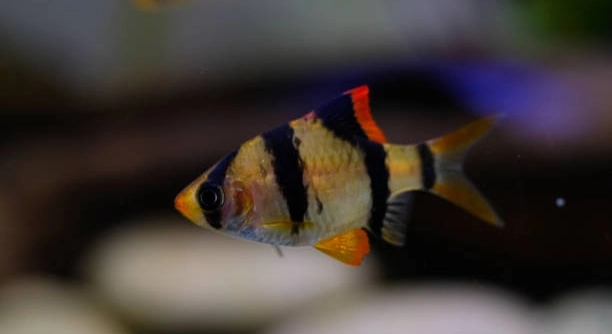
Keeping fish in small tanks can sometimes lead to unexpected aggression. This behavior may cause stress and harm among your aquatic pets, making it a challenge to maintain a peaceful environment. Handling aggression carefully is essential for a healthy tank.
Aggression in small tanks often arises due to limited space, territorial instincts, and incompatible species. Proper tank management, including choosing peaceful fish, providing hiding spots, and maintaining water quality, helps reduce conflicts and promotes harmony in confined aquatic environments.
Managing aggression effectively ensures your fish live comfortably and thrive in their small home. The following tips will help you create a balanced and calm tank environment.
Understanding Aggression Triggers in Small Tanks
Aggression in small tanks mainly happens because of limited space and territorial behavior. Fish naturally defend their space, and when confined, this instinct grows stronger. Stress from overcrowding or poor water conditions can also increase aggressive tendencies. Different species have different tolerance levels; some are more peaceful, while others are naturally more territorial or dominant. Lack of hiding places or visual barriers often leads to constant confrontations. Even the way fish are introduced to the tank can affect aggression. Introducing new fish suddenly or without proper acclimation can cause stress and territorial disputes. Observing your fish’s behavior closely helps identify signs of aggression early. Recognizing these triggers allows you to make adjustments before the situation worsens. Keeping the tank clean and monitoring fish health also reduces stress, which helps lower aggressive behavior. It’s important to plan your tank setup thoughtfully to minimize these issues.
Avoiding overcrowding and mixing incompatible species helps reduce aggression effectively.
Planning tank inhabitants carefully prevents many common aggression problems before they start.
Tank Setup to Minimize Aggression
Proper tank setup is crucial for reducing aggression. Use plants, rocks, and decorations to create hiding spots and break sight lines. This helps fish feel secure and less territorial.
Choosing the right tank size and layout significantly impacts fish behavior. Small tanks limit space, so adding plenty of structures for fish to claim as their own reduces fights. Visual barriers between territories can help fish avoid constant eye contact, lowering stress. Soft plants and caves provide retreat areas. Avoid placing aggressive species with peaceful ones. Some fish naturally bully others, so research compatibility before buying. Group fish that thrive in similar environments and sizes. Regular tank maintenance, including water quality checks, keeps fish healthy and less prone to stress-related aggression. Proper feeding routines also play a role in preventing aggression caused by competition for food. A well-planned tank setup supports peaceful coexistence and enhances fish wellbeing.
A calm environment starts with thoughtful tank arrangement and species selection.
Identifying Aggressive Fish Behavior
Aggressive fish often chase, nip, or corner other tank mates. Signs include torn fins, constant hiding, or stress-related illness. Early detection helps prevent serious harm.
Observing interactions closely is important. Some fish display aggression only during feeding or breeding. Aggression may increase in cramped spaces or when introducing new fish. Recognizing these behaviors quickly allows for intervention, such as rearranging the tank or separating fish temporarily. Stress signs include loss of color, reduced appetite, and hiding. Not all chasing means aggression; sometimes it’s play or territorial display. However, frequent attacks or injuries require action to protect all fish. Understanding normal versus aggressive behavior helps maintain a peaceful tank environment.
Keeping a journal of fish behavior can help track changes and identify patterns. This information supports timely adjustments to tank conditions or stocking.
Strategies to Calm Aggressive Fish
Separating aggressive fish is sometimes necessary. Using dividers or moving fish to another tank can prevent injury and stress. Increasing tank size also helps reduce conflicts.
Providing enough food reduces competition and aggression during feeding times. Feeding smaller amounts more frequently keeps fish satisfied and less aggressive. Adding plants and decorations gives fish places to escape and hide. Reducing light intensity and maintaining stable water conditions helps calm stressed fish. Grouping fish in odd numbers rather than pairs reduces bullying. Avoid sudden changes in the environment, as this can increase aggression. Monitoring and adjusting these factors consistently improves tank harmony. Sometimes, selecting less aggressive species from the start is the best solution for a small tank. Effective management requires patience and regular observation.
Common Aggressive Fish Species
Certain fish are known for their aggressive nature, especially in small tanks. Examples include bettas, cichlids, and some gouramis. Their territorial instincts can cause problems.
These species often require more space or careful tank mates to reduce conflicts. Knowing which fish tend to be aggressive helps prevent issues before stocking the tank.
Monitoring Water Quality and Its Effects
Poor water quality increases stress and aggression. Regular testing for ammonia, nitrites, nitrates, and pH levels is essential. Maintaining clean water reduces health problems and aggressive behavior in fish.
Using Tank Dividers Effectively
Tank dividers allow separation of aggressive fish without needing a second tank. They create visual barriers while keeping fish in the same environment, reducing stress and injury. Dividers are useful during breeding or when aggression spikes unexpectedly.
FAQ
How can I tell if aggression is normal or a serious problem in my small tank?
Some chasing and territorial displays are normal among fish. However, if you notice frequent fin nipping, injured or stressed fish, or constant hiding, it’s a serious issue. Consistent aggression that causes harm requires intervention to protect your tank’s health.
What are the best ways to reduce aggression without removing fish?
Increasing hiding spots, rearranging tank decorations, and adding plants help break line of sight and reduce stress. Feeding smaller amounts more often minimizes food competition. Keeping water quality stable and ensuring enough space are also key. Sometimes, using tank dividers temporarily can calm the environment.
Are some fish better suited for small tanks due to their temperament?
Yes, peaceful species like neon tetras, guppies, or small rasboras generally do better in confined spaces. Aggressive or highly territorial fish like certain cichlids or bettas require larger tanks or more careful planning to avoid fights.
Can overcrowding cause aggression even if the fish species are peaceful?
Absolutely. Overcrowding increases stress and competition for space and resources. Even peaceful fish can become aggressive if the tank is too small for their numbers. Maintaining proper stocking levels is critical.
How often should I test the water to prevent aggression related to poor water quality?
Testing weekly is a good practice. Keep ammonia and nitrites at zero, nitrates low, and pH stable according to your fish’s needs. Clean water reduces stress, which in turn lowers aggression.
Is it better to keep fish in groups or pairs to prevent aggression?
For many species, keeping an odd number of fish reduces bullying, especially with schooling species. Pairs can lead to territorial fights. Groups provide social interaction and distribute aggression more evenly.
What role does tank size play in fish aggression?
Smaller tanks limit swimming and hiding space, increasing territorial disputes. Larger tanks allow fish to establish separate territories and reduce stress. When aggression is a concern, increasing tank size is one of the most effective solutions.
Can changes in tank environment suddenly increase aggression?
Yes. Rearranging decorations, changing lighting, or introducing new fish without proper acclimation can trigger aggressive behavior. Gradual changes and monitoring fish reactions help avoid this.
How long does aggression last when new fish are introduced?
Aggression usually peaks in the first few days to weeks as fish establish hierarchy and territory. Providing hiding places and careful introduction methods shortens this period.
Are tank dividers a permanent solution for aggression?
Tank dividers are great for temporary separation during breeding or aggressive episodes. However, they limit swimming space and should not replace proper tank management or appropriate stocking.
Can aggressive fish behavior be a sign of illness?
Sometimes. Sick fish may behave oddly or become aggressive due to stress. Monitoring overall health, including appetite and coloration, helps distinguish between aggression and illness.
What are simple daily habits to maintain a peaceful tank?
Regular feeding, consistent water changes, and observing fish behavior help keep aggression low. Address issues early by adjusting tank conditions or fish arrangement.
Is removing the most aggressive fish the best solution?
Removing or rehoming aggressive individuals can restore peace when other methods fail. This decision depends on tank size, species, and personal preference.
Can certain decorations or plants increase aggression?
Dense plants and hiding spots usually reduce aggression by breaking sight lines. However, open spaces encourage chasing and dominance displays. Balance is key for a peaceful setup.
How does lighting affect aggression?
Bright, constant lighting can stress fish and trigger aggressive displays. Using dim or adjustable lighting helps create a calm environment. Simulating natural day and night cycles also supports fish wellbeing.
Can diet influence aggression in fish?
Yes. Underfeeding or poor nutrition increases competition and aggression. Providing a balanced diet with appropriate portions reduces food-related conflicts.
Final Thoughts
Handling aggression in small tanks requires careful attention to the environment and the fish themselves. Small tanks naturally limit space, which can increase territorial behavior and stress among fish. By understanding the causes of aggression, such as overcrowding, incompatible species, and poor water quality, you can take steps to reduce conflicts. It is important to choose fish that are known to be peaceful or better suited for smaller spaces. Providing plenty of hiding spots and visual barriers helps fish feel secure and less likely to fight. Regular observation is key to catching signs of aggression early before it causes harm.
Maintaining clean and stable water conditions plays a vital role in reducing aggression. Fish under stress from poor water quality tend to become more territorial and irritable. Regular water testing and timely maintenance help keep fish healthy and calm. Feeding routines also impact behavior. Offering smaller, more frequent meals can lower competition and stress during feeding times. Tank dividers can serve as useful tools to separate aggressive fish temporarily, giving them time to settle or recover. However, long-term solutions rely on proper stocking, tank size, and compatible species.
Patience and consistency are essential when managing aggression in small tanks. Changes should be made gradually, and the fish’s behavior should be monitored closely. While aggression is sometimes unavoidable, creating a balanced environment can greatly reduce its impact. With thoughtful planning and ongoing care, it is possible to maintain a peaceful, healthy aquarium even in limited space. Remember that each tank is unique, and what works for one may need adjustment for another. Staying attentive and responsive to your fish’s needs will help ensure they thrive together.

Hello,
If you enjoy the content that we create, please consider saying a "Thank You!" by leaving a tip.
Every little bit helps us continue crafting quality advice that supports the health, happiness, and well-being of pets around the world, for pets of all shapes, sizes, and species.
We really appreciate the kindness and support that you show us!