
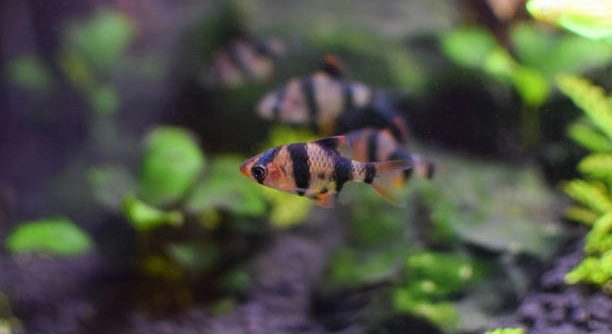
Are your Tiger Barbs showing signs of ragged fins, discoloration, or sluggish behavior that wasn’t there before? These issues often point to something more serious affecting their well-being in the tank.
Tiger Barb fin rot and damage are commonly caused by poor water quality, aggressive tankmates, bacterial or fungal infections, overcrowding, nutritional deficiencies, stress, and lack of proper tank maintenance. Identifying the cause early is key to effective treatment.
By learning what leads to these issues, you can create a safer, healthier space for your Tiger Barbs and prevent future damage.
Poor Water Quality
Dirty or unbalanced water is one of the main causes of fin rot in Tiger Barbs. Ammonia, nitrite, and nitrate levels that are too high can stress your fish and weaken their immune system. When their environment isn’t clean, bacteria and fungus can thrive, increasing the risk of infection. Regular water changes and proper filtration are essential for keeping these levels in check. Test the water weekly to ensure everything stays stable. Using a water conditioner and avoiding overfeeding can also help prevent waste buildup. Clean substrate and remove leftover food to keep the tank healthy and balanced.
Stress from bad water conditions can lead to torn or damaged fins. If the water smells off, looks cloudy, or your fish behave differently, take action quickly.
Proper maintenance keeps harmful bacteria from growing in the tank. It’s also one of the easiest ways to support fin health and prevent further damage from spreading.
Aggressive Tankmates
Tiger Barbs are active fish that can nip at others. Housing them with incompatible tankmates often leads to fin injuries.
Aggression among tankmates is a common cause of fin damage in Tiger Barbs. When placed in a tank with slow or long-finned species, Tiger Barbs may nip out of boredom or stress. This behavior leads to fraying, tears, and increased risk of infection. On the other hand, housing them with fish that are aggressive themselves—like certain cichlids—can result in fights where Tiger Barbs end up injured. To avoid this, keep them in groups of at least six to reduce nipping and choose tankmates with similar activity levels. Fast-swimming species that don’t have long fins are usually a safer match. Monitoring behavior during feeding times and rearranging tank décor can help reduce territorial disputes. Creating hiding spots can also give fish space to avoid conflict and reduce tension. Keeping the tank peaceful is key to preventing fin damage.
Bacterial and Fungal Infections
Bacterial and fungal infections often develop when fins are already damaged or the tank is poorly maintained. These infections can spread quickly and cause the fins to appear white, frayed, or rotting.
When a Tiger Barb’s immune system is weak, opportunistic bacteria and fungi can take hold. Bacterial infections typically cause red or inflamed edges along the fins, while fungal infections appear as white, cotton-like patches. If left untreated, these conditions can eat away at the fin tissue and cause permanent damage. Treatment usually involves isolating the affected fish and using antibacterial or antifungal medications. It’s important to remove carbon from the filter before treating the water, as carbon can absorb the medication. In some cases, improving water quality and feeding high-quality food can help boost the fish’s immunity, making them more resistant to infections in the future. Clean water is key to stopping infections from spreading.
Always address infections as soon as you notice changes in your fish’s behavior or appearance. Loss of appetite, sluggish movement, and hiding more often are signs that something isn’t right. Use medications as directed, and continue treatment for the full course, even if the fins start looking better. Stopping early can allow the infection to come back and worsen the damage.
Overcrowding
Too many fish in one tank leads to increased stress and aggression, which often results in fin injuries. Waste builds up quickly, reducing water quality and increasing the risk of illness.
When a tank is overcrowded, it becomes harder to maintain clean, stable water. Ammonia and nitrate levels spike quickly with excess waste, and oxygen can drop, especially at night. In this environment, Tiger Barbs are more likely to nip at each other out of stress or lack of space. Overcrowding also limits the number of hiding spots, forcing fish into each other’s territories. To avoid this, make sure your tank size matches the number of fish you keep. A group of six Tiger Barbs needs at least a 20- to 30-gallon tank. Regularly test the water and adjust the population as needed. Spacing out decorations can create natural boundaries and reduce territorial behavior. Less stress means healthier fins and fewer infections.
Nutritional Deficiencies
A poor diet weakens a Tiger Barb’s immune system and slows fin healing. Without enough protein, vitamins, and minerals, their fins may appear dull, thin, or torn. Balanced nutrition supports overall health and helps prevent infections from taking hold.
Feeding high-quality flakes, pellets, and occasional frozen foods provides essential nutrients. Avoid overfeeding or using cheap, filler-heavy foods that lack proper nutrition.
Stress
Constant stress lowers immunity and leads to fin damage over time. Loud noises, sudden lighting changes, and rough handling all contribute to a stressful environment. Stress can also increase aggression, which leads to more fin injuries within the tank.
Lack of Tank Maintenance
Neglecting regular cleaning causes waste buildup, algae growth, and poor water quality. Skipping water changes or filter cleanings makes the tank unsafe for your fish. Fin rot is often a result of poor upkeep and can be prevented by staying consistent with care routines.
FAQ
How can I tell if my Tiger Barb has fin rot or just fin damage?
Fin rot often shows as frayed or ragged edges that may have a white or red outline. The fins may look shorter or have missing parts. Simple fin damage from nipping usually appears as clean tears without discoloration. Fin rot is often accompanied by other signs, like lethargy or loss of appetite.
What is the best way to treat fin rot in Tiger Barbs?
Start by improving water quality with regular water changes and testing for harmful chemicals. Isolate the affected fish if possible to prevent spreading. Use antibacterial or antifungal medications designed for fin rot, following package instructions carefully. Remove activated carbon from your filter during treatment as it absorbs medication. Feeding high-quality food helps speed recovery.
Can fin rot be prevented entirely?
While it’s hard to guarantee no fin rot, good tank maintenance and monitoring fish behavior greatly reduce the risk. Keep water clean, avoid overcrowding, and choose compatible tankmates to limit stress and injury. Feeding a balanced diet and avoiding sudden environmental changes also help keep Tiger Barbs healthy.
How often should I clean my tank to prevent fin rot?
Perform partial water changes of 20–30% weekly to keep waste and toxins low. Clean the filter monthly but avoid washing it with tap water to preserve beneficial bacteria. Remove uneaten food and debris daily to reduce decay. Regular testing of water parameters is important to catch problems early.
What are some signs that a tankmate is causing fin damage?
Look for consistent nipping behavior or chasing among fish. Torn fins on several fish may indicate aggression. Some species have long fins that attract nipping, which causes more damage. Rearranging decorations and increasing hiding spaces can help reduce aggressive interactions.
Can stress alone cause fin rot?
Stress weakens the immune system, making fish more vulnerable to infections like fin rot. Stress doesn’t cause fin rot directly but makes it easier for bacteria or fungi to infect damaged fins. Minimizing stress factors such as sudden changes, overcrowding, and poor water quality is crucial to prevention.
Is fin rot contagious to other fish?
Yes, fin rot can spread through water if one fish is infected. That’s why isolating the sick fish is important. Treating the entire tank with medication may be necessary if multiple fish show signs. Maintaining good water quality helps control the spread of infection.
How long does it take for Tiger Barbs to recover from fin rot?
Recovery time depends on severity, water conditions, and treatment speed. Mild cases can heal in 1–2 weeks with proper care. Severe infections may take several weeks and require continuous treatment. Healthy water and nutrition greatly support faster healing.
Are there any natural remedies for fin rot?
Improving water quality and reducing stress are the most effective natural steps. Some hobbyists use aquarium salt to help control infections, but it should be used cautiously and according to guidelines. Clean tanks and a balanced diet remain the best natural defenses.
Should I remove decorations during treatment?
Removing sharp or rough decorations can prevent further fin injury during recovery. However, keep hiding spots available to reduce stress. Clean decorations regularly to avoid algae and bacteria buildup but avoid disturbing beneficial bacteria colonies too much.
Can fin rot come back after treatment?
Yes, if the underlying causes like poor water or aggressive tankmates aren’t fixed, fin rot can return. Ongoing care and monitoring are necessary to prevent relapses. Regular tank maintenance and watching fish behavior will help keep fins healthy.
What role does diet play in fin health?
A nutritious diet supports immune function and tissue repair. Feeding a variety of foods rich in protein, vitamins, and minerals promotes strong fins. Avoid overfeeding, which pollutes the tank and stresses fish. Supplements like spirulina or vitamins can be helpful during recovery.
Is quarantine necessary for new fish?
Quarantining new fish for 2–4 weeks before adding them to the main tank helps prevent introducing diseases like fin rot. It allows you to observe health and treat any issues early. Quarantine tanks should have good filtration and stable water conditions to reduce stress.
Final Thoughts
Taking care of Tiger Barbs means paying close attention to their environment and health. Fin rot and fin damage can happen easily if water quality drops or if fish live with aggressive tankmates. Regular cleaning and testing of the water are important steps to prevent problems. Keeping the tank clean reduces the chance of infections and helps fish stay strong. Proper filtration and removing uneaten food also play a big role in maintaining good water conditions. When the tank is well-maintained, Tiger Barbs are less stressed and less likely to develop fin issues.
Nutrition is another important factor in keeping fins healthy. Feeding your Tiger Barbs a balanced diet with the right vitamins and protein helps their immune system fight off infections. Overfeeding or giving low-quality food can harm water quality and make fin problems worse. It is better to provide a variety of foods, such as flakes, pellets, and occasional frozen treats, to keep their diet complete. Healthy fish recover faster from fin rot and are more resistant to illness.
Stress affects Tiger Barbs more than many people realize. Changes in tank conditions, overcrowding, or rough behavior from other fish all increase stress levels. This weakens their immune system and makes it easier for infections to take hold. Creating a peaceful tank environment with enough space, hiding spots, and compatible tankmates helps reduce stress. Watching fish closely and acting quickly when problems arise can save their fins and overall health. Paying attention to these details makes a big difference in the long-term happiness of your Tiger Barbs.

Hello,
If you enjoy the content that we create, please consider saying a "Thank You!" by leaving a tip.
Every little bit helps us continue crafting quality advice that supports the health, happiness, and well-being of pets around the world, for pets of all shapes, sizes, and species.
We really appreciate the kindness and support that you show us!