
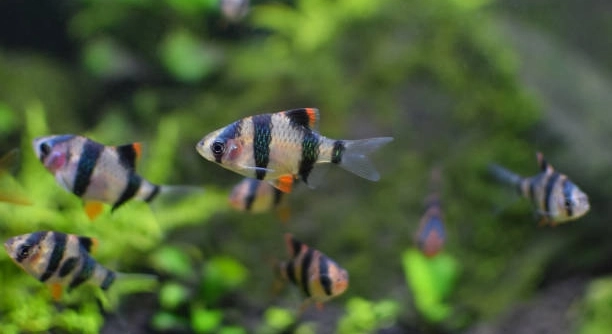
Tiger barbs are popular freshwater fish known for their lively behavior and bright colors. Sometimes, these fish may suddenly stop eating, which can worry their owners. Understanding why this happens is important for keeping them healthy and active.
Tiger barbs may stop eating due to stress, poor water conditions, illness, or changes in their environment. Identifying these causes early helps in providing proper care and treatment to restore their appetite and well-being.
Knowing what affects your tiger barbs’ eating habits will help you maintain a healthy aquarium and avoid future problems with your fish.
Common Causes of Loss of Appetite in Tiger Barbs
Tiger barbs can stop eating for several reasons. One common cause is stress, which can come from overcrowding, aggressive tank mates, or sudden changes in their environment. Poor water quality is another major factor. High levels of ammonia, nitrites, or nitrates can make fish uncomfortable and unwilling to eat. Illness also plays a role; bacterial or parasitic infections often reduce appetite. Sometimes, improper diet or feeding habits can cause tiger barbs to lose interest in food. For example, feeding the same type of food repeatedly may lead to boredom or nutritional imbalance. Additionally, water temperature affects their metabolism, and water that is too cold or too warm may disrupt feeding behavior. Understanding these factors helps in preventing appetite loss and keeping tiger barbs healthy.
Addressing these issues promptly can restore your tiger barbs’ appetite and improve their overall health.
Regular water testing and maintaining a clean tank environment are essential for preventing these problems.
How to Improve Your Tiger Barbs’ Appetite
If your tiger barbs stop eating, start by checking the water quality. Use a test kit to measure ammonia, nitrites, nitrates, and pH levels. Keep water temperature stable between 74°F and 79°F, as fluctuations can stress the fish. Ensure your tank is not overcrowded and choose compatible tank mates to reduce aggression. Vary their diet by offering high-quality flakes, pellets, and live or frozen foods like bloodworms or brine shrimp. Feed small amounts multiple times a day instead of large portions at once. If illness is suspected, isolate affected fish and consider appropriate treatments or consult a veterinarian. Regular maintenance, including partial water changes, will support a healthy environment that encourages feeding. Paying attention to these details can help your tiger barbs regain their appetite and thrive.
Monitoring Tank Conditions Closely
Regular monitoring of tank conditions is vital for your tiger barbs’ health. Keep an eye on water parameters and fish behavior daily to catch problems early.
Keeping the water clean is essential. Change 20-25% of the water weekly to prevent toxin buildup. Use a reliable test kit to check ammonia, nitrite, nitrate, and pH levels at least once a week. Make sure the filtration system is working properly and not clogged. Sudden changes in water chemistry can stress your fish and affect their appetite, so avoid large, rapid water changes.
Observe your fish for signs of stress or illness like lethargy, clamped fins, or unusual swimming patterns. Early detection of such signs allows for quick action before the condition worsens, helping your tiger barbs recover faster.
Adjusting Feeding Practices
Overfeeding can cause uneaten food to pollute the water and lead to poor appetite. Feed small portions appropriate for your tank size and fish number. Remove leftover food after 5 minutes to keep the tank clean.
Vary the diet to provide balanced nutrition. Include high-quality flakes or pellets designed for tropical fish. Supplement with live or frozen foods such as bloodworms, brine shrimp, or daphnia. These options stimulate natural hunting behavior and make feeding more interesting for your tiger barbs. Feeding twice a day in small amounts is better than one large meal. Watch how much your fish consume and adjust accordingly to avoid waste and maintain water quality.
Identifying Illness Symptoms
Watch for signs like faded colors, swollen bellies, or clamped fins. These can indicate illness affecting appetite.
Other symptoms include lethargy, rapid breathing, or unusual spots on the body. Early recognition helps in quick treatment and recovery.
Treating Common Diseases
If illness is suspected, isolate the affected fish immediately to prevent spreading. Use appropriate medication based on the symptoms, such as antibacterial or antiparasitic treatments. Maintain excellent water quality during treatment to support healing. Follow the instructions on medications carefully and monitor the fish’s response. Avoid feeding during the initial stage of illness, then gradually reintroduce food as appetite returns. Early and proper care improves the chances of full recovery.
Preventing Future Appetite Loss
Regular tank maintenance and a varied diet reduce health risks. Keep stress low and monitor water quality consistently.
FAQ
Why did my tiger barbs suddenly stop eating?
Sudden loss of appetite in tiger barbs often results from stress, illness, or poor water conditions. Changes in temperature, overcrowding, or aggressive tank mates can also cause stress. Illnesses such as bacterial or parasitic infections commonly reduce appetite. Checking water parameters and observing fish behavior helps identify the problem.
How can I tell if my tiger barbs are stressed?
Signs of stress include hiding, clamped fins, erratic swimming, and loss of color. Stressed fish may also become lethargic or refuse food. These behaviors signal that something in their environment needs adjustment, such as water quality, tank mates, or habitat setup.
What water parameters should I maintain for tiger barbs?
Maintain water temperature between 74°F and 79°F. Ammonia and nitrite levels should be zero, while nitrate should stay below 20 ppm. The pH level should range from 6.5 to 7.5. Regular testing ensures a stable, healthy environment.
How often should I clean the tank to prevent appetite loss?
Perform partial water changes of 20-25% weekly. Remove uneaten food and debris daily. Clean filters monthly or as needed. Keeping the tank clean prevents toxin buildup, which can stress fish and reduce appetite.
What is the best diet for tiger barbs to keep them healthy?
A varied diet is important. Feed high-quality flakes or pellets formulated for tropical fish. Supplement with live or frozen foods such as bloodworms, brine shrimp, and daphnia. Feeding twice daily in small amounts is ideal to avoid overfeeding and maintain water quality.
Can temperature fluctuations cause tiger barbs to stop eating?
Yes, sudden changes in temperature can stress tiger barbs, leading to appetite loss. Keep the temperature stable within the recommended range and avoid placing the tank near drafts or heating sources.
How long can tiger barbs go without eating?
Tiger barbs can survive several days without food, but prolonged fasting weakens their immune system and increases vulnerability to disease. If your fish stop eating for more than two days, investigate the cause and act quickly.
Should I isolate a sick tiger barb?
Isolating sick fish helps prevent disease spread and makes treatment easier. Use a separate hospital tank and maintain good water quality during treatment. Monitor the fish closely for recovery signs.
What medications are safe for treating tiger barbs?
Use medications labeled safe for tropical freshwater fish. Common treatments include antibacterial and antiparasitic drugs. Always follow dosage instructions carefully and avoid mixing medications without guidance.
Can stress from tank mates cause tiger barbs to stop eating?
Aggressive or incompatible tank mates can stress tiger barbs, leading to reduced appetite. Choose peaceful species that share similar water needs and avoid overcrowding to minimize stress.
How can I encourage picky tiger barbs to eat again?
Offer a variety of foods, including live or frozen options. Feed small amounts frequently and ensure the tank environment is stable and clean. Sometimes, removing aggressive fish or adjusting tank conditions can help restore their appetite.
Is it normal for tiger barbs to stop eating during breeding?
During breeding, some tiger barbs may eat less. However, this should be temporary. Ensure optimal water conditions and provide nutritious food to support their energy needs during this time.
Can water changes cause appetite loss?
Large or sudden water changes can shock fish and reduce appetite. Perform partial, gradual water changes regularly to maintain stable conditions without causing stress.
What are common diseases that affect tiger barbs’ appetite?
Bacterial infections, parasitic infestations like ich, and fungal diseases often cause appetite loss. Symptoms vary but usually include changes in behavior, appearance, and feeding habits.
When should I consult a veterinarian for my tiger barbs?
If appetite loss persists beyond several days despite improving tank conditions and no obvious cause is found, seek advice from a veterinarian experienced in fish care. Early professional help can prevent worsening health issues.
Tiger barbs may stop eating for several reasons, and understanding these causes helps keep them healthy. Stress, poor water quality, illness, and changes in the environment are the most common factors that affect their appetite. Paying attention to their behavior and tank conditions can prevent many problems before they become serious. Regular testing of water parameters and maintaining a clean tank are essential steps in supporting your fish’s health. Consistent care helps ensure your tiger barbs continue to eat well and stay active.
Feeding practices also play a significant role in your tiger barbs’ willingness to eat. Providing a balanced diet with varied food options keeps them interested in eating and supplies the necessary nutrients. Avoid overfeeding, which can pollute the water and harm fish health. Instead, feed small amounts two to three times a day and remove any uneaten food promptly. This routine supports good water quality and helps prevent appetite loss caused by environmental stress. When illness occurs, early detection and treatment are key to restoring appetite and preventing the spread of disease in your tank.
Monitoring your tank closely and addressing problems quickly will protect your tiger barbs and promote their well-being. By maintaining stable water conditions, reducing stress, and providing proper nutrition, you create a healthy environment for your fish. These actions improve their overall health and reduce the chances of appetite loss. Remember that patience and careful observation are important when managing any changes in your aquarium. With proper care, your tiger barbs can thrive and enjoy a strong appetite for years to come.

Hello,
If you enjoy the content that we create, please consider saying a "Thank You!" by leaving a tip.
Every little bit helps us continue crafting quality advice that supports the health, happiness, and well-being of pets around the world, for pets of all shapes, sizes, and species.
We really appreciate the kindness and support that you show us!