
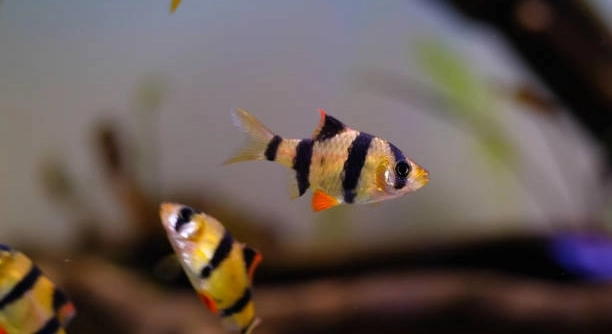
Tiger barbs are lively fish that often show unique swimming behaviors. One common observation is their tendency to swim against the water flow in aquariums. This behavior can puzzle many fish keepers who expect fish to follow the current naturally.
Swimming against the flow is a natural instinct for tiger barbs, linked to their need for exercise and environmental exploration. This behavior helps maintain muscle strength and mimics their natural habitat, where currents are variable and provide stimulation for survival.
Understanding why your tiger barb swims against the current can improve how you set up its tank. These insights will help create a healthier, more engaging environment for your fish.
Reasons Behind Swimming Against the Flow
Tiger barbs naturally come from rivers and streams with varying currents. Swimming against the flow allows them to exercise and strengthen their muscles. This activity also helps them stay alert and aware of their surroundings. In an aquarium, the water flow is often constant and predictable, but the tiger barb’s instinct pushes it to challenge the current. This behavior reduces boredom and encourages natural activity, which is important for their overall health. Additionally, swimming against the current can help improve their balance and coordination. When the fish face resistance, their bodies develop better endurance. In some cases, this behavior might also help tiger barbs establish territory or show dominance within a group. It is important for fishkeepers to provide an environment with moderate flow to support this natural behavior. Too strong or too weak a current might cause stress or reduce the fish’s motivation to swim actively.
Swimming against the flow is a healthy behavior that supports a tiger barb’s physical and mental well-being.
Observing this natural instinct in your aquarium can be satisfying. Providing moderate water currents keeps the fish engaged and active, which contributes to their vitality. Ensuring the flow is not too strong will prevent unnecessary stress, while allowing enough resistance promotes exercise and natural behavior. When the water current mimics their natural habitat, tiger barbs tend to thrive and display more vibrant activity. This balance in water movement helps maintain their health and encourages natural swimming patterns. Adjusting filter settings or adding a water pump can create suitable currents that support these behaviors. Regular observation will help identify the ideal flow strength for your fish. Keeping their environment close to natural conditions improves their quality of life in captivity.
How to Adjust Your Aquarium for Tiger Barbs
Setting up your aquarium with a proper flow balance is essential for tiger barbs. Too strong a current can tire them, while too weak may cause inactivity.
To achieve the right water movement, start by checking your filter output. Many filters have adjustable flow rates; reduce or increase the flow to a moderate level where the tiger barbs can swim comfortably against it without struggle. Using decorations such as rocks or plants can break up the current, creating areas of calm water where the fish can rest. Positioning the filter outlet at an angle rather than directly across the tank also softens the flow. In addition, consider the size of your tank; smaller tanks need gentler currents to avoid overwhelming the fish. Maintaining water quality alongside flow adjustment is key, as clean, well-oxygenated water supports their swimming behavior. Regularly observing your tiger barbs will help determine if changes are needed to improve their comfort and health in the tank.
Signs Your Tiger Barb Is Struggling with Flow
If your tiger barb is constantly hiding or resting at the bottom, it might be overwhelmed by strong currents. Erratic swimming or fatigue can also signal that the flow is too powerful for them.
Strong currents can exhaust tiger barbs quickly, leading to stress and health issues. These fish prefer moderate flow that challenges them without causing fatigue. When currents are too strong, they may struggle to swim properly, resulting in reduced activity or hiding behavior. Prolonged exposure to high flow can weaken their immune system, making them more prone to disease. It is important to adjust the current to prevent these problems and support the fish’s natural behavior.
Observe your tiger barbs regularly for signs of fatigue or stress. Small adjustments in flow can improve their comfort and encourage natural, healthy swimming.
Tank Setup Tips to Support Swimming Behavior
Creating a tank environment that supports swimming against the flow requires careful arrangement. Use plants and decorations to create natural barriers and slow water in certain areas. This gives tiger barbs places to rest.
Arrange driftwood, rocks, or artificial plants to break up water currents and reduce strong flow zones. This provides tiger barbs with spots to rest without fighting the current constantly. Placing the filter output off-center or at an angle can create varied water movement, mimicking their natural habitats. Ensure open swimming space where the flow encourages exercise without overwhelming the fish. Regular cleaning and maintenance of the tank improve water quality, which also supports active swimming. By balancing flow and environment, you help tiger barbs stay healthy and engaged. This setup promotes natural behavior and reduces stress.
Benefits of Swimming Against the Flow
Swimming against the current helps tiger barbs stay physically fit. It strengthens their muscles and improves endurance, which is important for their overall health.
This behavior also keeps them mentally active. The challenge of fighting the current mimics natural conditions, reducing boredom and promoting natural instincts.
Common Misunderstandings About This Behavior
Many assume that swimming against the flow means the fish is stressed or sick. However, this is often a normal and healthy activity that reflects their natural habits.
When to Seek Help for Your Tiger Barb
If swimming against the flow is accompanied by lethargy, loss of appetite, or unusual spots, it could indicate health issues requiring attention.
Maintaining Ideal Water Conditions
Keeping water clean and oxygenated is essential to support your tiger barb’s swimming behavior and overall wellbeing.
FAQ
Why does my tiger barb swim against the flow so often?
Swimming against the flow is a natural behavior for tiger barbs. It helps them exercise and stay healthy. In the wild, currents are variable, so swimming against water movement is part of their instinct to explore and keep active. In an aquarium, this behavior shows they are engaging with their environment.
Can swimming against a strong current harm my tiger barb?
Yes, if the current is too strong, it can tire and stress your fish. Tiger barbs prefer moderate flow that challenges but does not exhaust them. Too much resistance may cause fatigue, hiding, or illness. Adjust your filter or use decorations to reduce flow strength if you notice these signs.
How can I tell if my tiger barb is stressed because of the water flow?
Signs of stress include hiding frequently, erratic swimming, loss of appetite, and fading colors. If your fish avoids swimming or stays at the bottom, the current may be overwhelming. Stress weakens their immune system, so monitor behavior closely and adjust tank conditions.
Is it necessary to have a current in the tank for tiger barbs?
While tiger barbs do benefit from some water movement, very strong currents are not needed. Moderate flow replicates their natural habitat and encourages exercise. Still water may cause boredom and inactivity, while strong currents may cause harm. Finding balance is key.
What are the best ways to create suitable flow in a tank?
Use adjustable filters to control flow speed. Place the filter output at an angle or add plants and rocks to break up the current. This creates areas of gentle flow and calm water where fish can rest. Regularly check to ensure the flow is neither too strong nor too weak.
Will swimming against the flow improve my tiger barb’s health?
Yes, swimming against moderate currents builds muscle strength and supports cardiovascular health. It keeps the fish active and reduces stress. Natural behavior helps prevent obesity and promotes overall wellbeing. Ensuring suitable tank conditions enhances these benefits.
Can other fish in the tank affect how tiger barbs swim?
Yes, tank mates can influence swimming patterns. Active fish may encourage more movement, while timid or slow swimmers may lead tiger barbs to adjust their behavior. Aggressive fish can cause stress, changing normal swimming habits. Choose compatible species to maintain balance.
How often should I check the water flow in my tank?
Check water flow weekly or whenever you notice behavior changes. Filters can clog or shift, altering current strength. Regular maintenance ensures consistent conditions. Observing your fish regularly helps spot if adjustments are needed to keep them comfortable.
Is it normal for tiger barbs to rest in areas with less flow?
Yes, tiger barbs often rest in calmer zones to recover from swimming against currents. Providing these areas with plants or decorations is important. It helps balance their activity and rest, supporting better health.
What should I do if my tiger barb refuses to swim against the current?
If your fish avoids the current entirely, check water quality and flow strength. It might be too strong or the fish may be ill. Ensure the tank environment matches their needs. If the problem continues, consult a veterinarian or fish expert for advice.
Final Thoughts
Understanding why your tiger barb swims against the flow helps improve its care and tank setup. This behavior is natural and important for the fish’s physical and mental health. It reflects their instinct to stay active, explore their surroundings, and maintain muscle strength. Creating an environment that supports this behavior allows your tiger barb to thrive and reduces stress. Adjusting the water current to a moderate level is key. Too strong a flow can cause fatigue, while too weak may lead to boredom and inactivity. Observing how your fish responds to the current can guide you in making changes to the aquarium setup.
Providing places in the tank where your tiger barb can rest is also essential. Areas with slower or no flow, created by plants, rocks, or decorations, give your fish the chance to recover from swimming against the current. This balance between activity and rest supports overall health and wellbeing. Maintaining clean water and stable tank conditions further helps your tiger barb stay comfortable and energetic. Regularly checking the filter, water parameters, and fish behavior allows you to make necessary adjustments. This careful attention ensures the environment closely mimics the fish’s natural habitat.
Overall, swimming against the flow is a positive sign of a healthy and active tiger barb. It shows that your fish is engaging with its environment and following natural instincts. By managing water flow, tank layout, and water quality, you support this behavior and improve the quality of life for your fish. Paying attention to these details not only helps your tiger barb stay strong and happy but also creates a more enjoyable aquarium experience for you. Taking the time to understand and meet your tiger barb’s needs will lead to a thriving aquatic environment.

Hello,
If you enjoy the content that we create, please consider saying a "Thank You!" by leaving a tip.
Every little bit helps us continue crafting quality advice that supports the health, happiness, and well-being of pets around the world, for pets of all shapes, sizes, and species.
We really appreciate the kindness and support that you show us!