
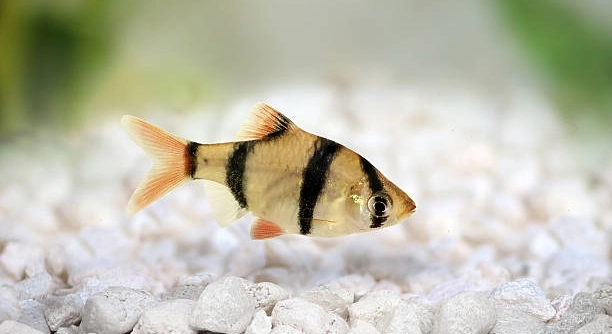
Tiger barbs are popular aquarium fish known for their lively colors and active behavior. However, some owners notice their tiger barbs tend to avoid others in the tank. This behavior can be confusing and may affect the overall harmony in your aquarium.
Tiger barbs avoid others mainly due to stress, territorial instincts, illness, overcrowding, poor water conditions, improper tank mates, or lack of hiding spaces. These factors influence their social behavior and cause them to seek isolation.
Understanding these reasons can help you create a better environment for your fish. The following points will explain why your tiger barb prefers to stay apart and what you can do about it.
Stress and Its Impact on Tiger Barbs
Stress is a common reason why tiger barbs avoid other fish. Changes in the environment, loud noises, sudden movements, or even poor water quality can make them feel unsafe. When stressed, tiger barbs tend to hide or swim alone rather than interact with the group. It’s important to maintain a stable and calm environment to keep them comfortable. Providing enough space and avoiding sudden disruptions in the tank can reduce their stress levels. Stress not only affects their social behavior but can also weaken their immune system, making them more prone to illness. Observing your tank regularly helps catch stress signs early and improve their well-being.
Stress affects how tiger barbs behave socially and physically. They may isolate themselves to cope with the discomfort caused by environmental factors.
Keeping a quiet environment and stable water parameters helps reduce stress. Adding plants or decorations provides hiding spots, giving them a sense of security. Avoid overcrowding to lower tension among fish. Regularly check water conditions, such as temperature and pH, to ensure they are within the ideal range. By addressing these issues, you can help your tiger barbs feel safer and encourage more social behavior.
Territorial Behavior and Space Needs
Tiger barbs are naturally territorial and need space to establish their own areas.
When the tank is too small or crowded, they may become aggressive or withdrawn. This behavior causes some fish to avoid others to stay safe from attacks. Giving each fish enough room reduces fights and promotes peaceful interactions. Setting up the tank with plenty of plants and decorations allows them to create boundaries. This separation helps them feel secure without constant confrontation. Keep in mind that even in larger tanks, some level of territory defense is normal. Watching how your tiger barbs interact can guide you in arranging their environment for better harmony.
Illness and Avoidance
When tiger barbs feel unwell, they often separate themselves from the group. This behavior helps reduce stress and prevents spreading illness to other fish.
Signs of sickness include sluggish movement, loss of appetite, and faded colors. Ill fish hide more and avoid interactions. Identifying these symptoms early is crucial for treatment and recovery. Quarantining the sick fish and improving water quality can help prevent disease spread and encourage healing.
Providing a clean tank and proper nutrition supports their immune system. Regular observation allows you to catch health issues before they worsen. Sick tiger barbs need gentle care and a calm environment to regain strength and rejoin their group comfortably.
Overcrowding and Social Stress
Too many fish in a tank can create tension among tiger barbs. Overcrowding increases competition for space and resources, causing some fish to avoid others.
A crowded tank leads to aggression and stress, pushing timid fish into isolation. Ensuring the tank size matches the number of inhabitants is essential. Adding hiding spots and plants helps reduce visible conflicts. Proper filtration and maintenance improve water quality, which can otherwise worsen under overcrowded conditions. Keeping a balanced fish population allows tiger barbs to interact more naturally and peacefully. Monitoring behavior helps you adjust tank conditions for a healthier community.
Poor Water Conditions
Dirty or unbalanced water can cause tiger barbs to become stressed and avoid others. Maintaining clean water is crucial for their health and social behavior.
Regular water changes and monitoring parameters like pH and ammonia help keep the tank safe. Clean water encourages active and social fish.
Improper Tank Mates
Tiger barbs may avoid certain fish if tank mates are aggressive or incompatible. Stress from bullying or chasing leads to isolation.
Choosing peaceful and compatible species helps reduce tension. Proper tank mate selection promotes harmony and social interaction among tiger barbs.
Lack of Hiding Spaces
Without enough hiding spots, tiger barbs feel exposed and vulnerable. This makes them shy away from other fish.
Adding plants, rocks, or decorations creates safe areas. These provide comfort and encourage more natural, social behavior.
FAQ
Why does my tiger barb swim alone all the time?
Tiger barbs may swim alone due to stress, illness, or territorial behavior. When feeling threatened or unwell, they often isolate themselves to avoid conflict and recover. Check your tank conditions, water quality, and tank mates to ensure your fish feel safe and healthy.
How can I reduce aggression in my tiger barb tank?
Aggression often comes from overcrowding, poor tank setup, or incompatible tank mates. Provide enough space, add hiding places, and select peaceful species to minimize fights. Maintaining good water quality also helps reduce stress, which lowers aggression levels.
What water conditions do tiger barbs need to stay social?
Tiger barbs thrive in clean water with stable parameters. Ideal temperature ranges between 74-79°F (23-26°C), pH between 6.5-7.0, and low ammonia and nitrite levels. Regular water changes and proper filtration keep the environment safe and comfortable.
Can illness cause my tiger barb to avoid others?
Yes, sick fish often isolate themselves. Symptoms like lethargy, clamped fins, faded colors, or loss of appetite signal illness. Prompt treatment and improving tank conditions help your fish recover and return to normal social behavior.
How many tiger barbs should I keep together?
Tiger barbs are schooling fish and should be kept in groups of at least six to reduce aggression. Smaller groups tend to fight more and become shy. Larger groups help distribute aggression and encourage natural social behavior.
What tank size is best for tiger barbs?
A minimum tank size of 20 gallons is recommended for a small group of tiger barbs. Bigger tanks provide more space, reducing territorial disputes and stress. Ensure plenty of plants and decorations to create hiding spots.
Why do tiger barbs nip at other fish?
Nipping is a natural behavior, especially in smaller tanks or when stressed. It is a way to establish dominance or defend territory. Providing enough space and keeping them in groups can reduce this behavior.
What tank mates work well with tiger barbs?
Peaceful, fast-moving fish like danios or barbs of similar size are good companions. Avoid slow, long-finned, or aggressive fish, as tiger barbs may nip or stress them. Compatibility helps maintain a calm and social aquarium.
How often should I clean my tiger barb tank?
Perform partial water changes of 20-30% weekly to maintain water quality. Regular cleaning of the substrate and filter keeps the tank healthy. Consistent maintenance prevents buildup of harmful toxins that stress your fish.
Do tiger barbs need hiding places?
Yes, hiding spots reduce stress and aggression. Plants, rocks, and decorations create safe areas for fish to retreat. A well-structured tank helps tiger barbs feel secure and encourages more active social behavior.
Can changes in the tank cause tiger barbs to avoid others?
Yes, sudden changes like new tank mates, rearranged decorations, or water parameter shifts can stress tiger barbs. Introduce changes gradually and monitor their response to maintain a peaceful environment.
How do I know if my tiger barb is stressed?
Signs include hiding, loss of appetite, erratic swimming, faded colors, and aggression. Stress weakens immunity and affects behavior. Identify stress sources and improve tank conditions to help your fish feel comfortable again.
What should I feed my tiger barbs?
A varied diet with high-quality flakes, pellets, and occasional live or frozen foods like bloodworms or brine shrimp supports their health. Proper nutrition boosts immunity and encourages natural activity and social interaction.
Can tiger barbs live alone?
They can survive alone but will not thrive. Tiger barbs are schooling fish that depend on social groups for well-being. Keeping them in groups improves their behavior and overall health.
How long do tiger barbs typically live?
With proper care, tiger barbs live about 5 to 7 years. Good tank conditions, balanced diet, and stress reduction contribute to their longevity and active life.
What should I do if my tiger barb is bullied?
If a fish is bullied, provide more hiding spaces and increase group size to spread aggression. Remove overly aggressive tank mates if needed. Monitoring interactions ensures a balanced and less stressful community.
Is it normal for tiger barbs to have mood swings?
Tiger barbs can show changing behavior based on environment and social dynamics. Aggression, shyness, or activity levels vary but stabilize with a proper tank setup and social group.
Can lighting affect tiger barb behavior?
Yes, too bright or inconsistent lighting can stress tiger barbs. Moderate lighting that mimics natural day cycles helps keep them calm and active.
How do I introduce new tiger barbs to my tank?
Acclimate new fish slowly by floating the bag in the tank and gradually mixing tank water. Introduce them in groups to reduce bullying and allow time for adjustment.
What is the best way to handle aggression in tiger barbs?
Managing tank size, group numbers, hiding spots, and compatible tank mates helps control aggression. Avoid sudden changes and keep water parameters stable to maintain peaceful behavior.
Tiger barbs are lively and colorful fish that bring energy to any aquarium. However, their behavior can sometimes be puzzling, especially when they start avoiding other fish. Understanding the reasons behind this behavior is important for creating a healthy and peaceful tank environment. Factors like stress, territorial instincts, illness, overcrowding, water quality, and tank setup all play a role in how tiger barbs interact with others. By paying attention to these aspects, you can help your fish feel more comfortable and encourage them to be more social.
Maintaining a stable environment is key to reducing avoidance behavior. Regular water changes, proper filtration, and keeping the tank clean improve overall fish health. Providing enough space and hiding spots allows tiger barbs to establish territories without constant conflict. Choosing compatible tank mates and keeping tiger barbs in groups also help reduce stress and aggression. If any fish shows signs of illness or injury, addressing these quickly will prevent further problems and help the affected fish recover. Simple steps like monitoring water temperature, pH, and cleanliness go a long way in supporting your fish’s well-being.
Creating the right conditions takes some effort but leads to a more harmonious tank. Observing your tiger barbs regularly allows you to notice changes in behavior early on. Adjusting tank conditions based on their needs ensures they stay active, healthy, and social. Avoiding overcrowding and offering plenty of plants and decorations can make a big difference in how comfortable your fish feel. Overall, understanding and meeting your tiger barbs’ needs helps prevent avoidance behavior and creates a thriving aquarium that is enjoyable for both you and your fish.

Hello,
If you enjoy the content that we create, please consider saying a "Thank You!" by leaving a tip.
Every little bit helps us continue crafting quality advice that supports the health, happiness, and well-being of pets around the world, for pets of all shapes, sizes, and species.
We really appreciate the kindness and support that you show us!