
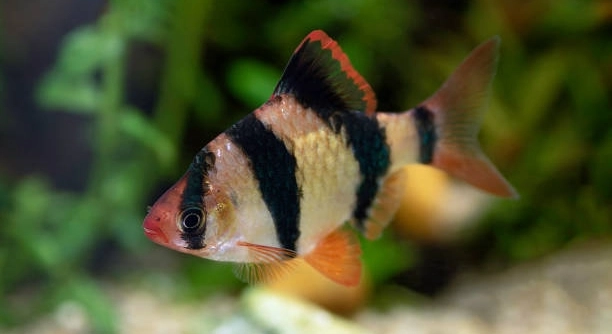
Have you ever kept tiger barbs in your aquarium and noticed their colors shifting over time, leaving you slightly puzzled or intrigued?
Tiger barbs can change color as they age due to natural development, stress, environmental factors, or health conditions. These changes are generally normal, although sudden or extreme shifts may indicate a problem requiring attention.
As we explore these changes, you’ll learn what’s typical, what’s not, and how to support your tiger barb’s vibrant appearance through every stage of life.
Why Tiger Barbs Change Color Over Time
Color changes in tiger barbs are often linked to age, stress, health, or changes in environment. Young tiger barbs may appear duller and gradually develop brighter stripes and body color as they mature. This natural transformation typically begins around two to three months of age. As they grow, the pigments in their scales become more defined, especially in well-maintained tanks. On the other hand, dim or faded coloration can sometimes be a sign of poor water quality, stress, or illness. Tank mates also influence how vibrant they appear, as tiger barbs are social and active fish. When housed in small groups, they may become withdrawn or aggressive, which can affect their color. Feeding habits also contribute—nutrient-rich food supports brighter pigmentation. Watching for any sudden, sharp change in their coloring helps you catch early signs of stress or health concerns, keeping your tiger barbs vibrant and healthy.
Healthy aging usually leads to brighter stripes and richer hues in most tiger barbs.
By providing a stable environment, good nutrition, and proper group sizes, you’re more likely to see your fish at their most colorful and active stage.
Signs to Watch For in Color Changes
Sudden or patchy color loss may point to a problem that needs attention.
Tiger barbs can fade in color when they’re stressed, sick, or unhappy with their environment. Poor water conditions, fluctuating temperatures, or bullying from tank mates often cause stress. Fish that are sick may become paler, lose their usual shine, or develop dark spots or streaks. Parasites or internal infections sometimes appear as color blotches. Keep an eye on behavior too—if they’re hiding more than usual or not eating well, those could be additional signs. Make sure the tank is the right size, with stable temperature, clean water, and balanced pH levels. Grouping them with at least five others often helps reduce aggression and stress. If you notice something off with one fish, separate it temporarily and check for illness. A proper setup helps reduce risks and supports their natural colors. Always match their needs with consistent care to maintain both health and appearance.
Environmental Factors That Influence Color
Lighting, water conditions, and tank setup play a major role in how tiger barbs look. Dim lighting or poor water quality can make them appear dull, while clean water and balanced lighting help enhance their natural colors.
Tank lighting should mimic daylight and be consistent, around 8–10 hours a day. A poorly lit tank can cause the fish to appear pale or washed out. Strong, steady lighting brings out their vibrant orange and black stripes. Clean, well-filtered water with a stable temperature between 74–79°F is essential. High ammonia or nitrite levels can stress the fish, making their colors fade. pH should stay between 6.0 and 7.5 for optimal comfort. Decorations, plants, and substrate can also affect how their colors appear. A natural background helps colors stand out more. Keeping their environment balanced and low-stress helps maintain their best appearance without overcomplicating care routines.
Adding live plants, soft lighting, and dark substrates makes colors pop. Soft plants also reduce stress by providing shelter and space to explore, helping maintain color vibrancy. Avoid sharp decorations or overstocking, as that can create tension in the tank. A calm environment keeps their stress levels low and supports their overall health. Everything works together to influence their appearance.
Diet’s Impact on Color Intensity
A varied diet makes a noticeable difference in tiger barb coloration. Nutrients like carotenoids, found in quality flakes or frozen food, support rich, bright pigments. Regular feeding with proper balance helps their natural colors stay strong and vivid.
Food choices matter more than many realize. High-protein flakes or pellets specifically made for color enhancement work well. Supplementing with live or frozen options like brine shrimp, bloodworms, or daphnia gives them additional nutrients and keeps them active. Color-boosting foods often contain natural additives like spirulina or astaxanthin, which are safe and effective. Feed twice daily in small portions to avoid overfeeding, which can affect water quality. Uneaten food should be removed promptly. Keep their diet consistent but include variety throughout the week. This not only improves color but also boosts immune health. When their nutritional needs are met, tiger barbs display their most vibrant shades naturally, without artificial enhancement.
Avoid cheap, filler-heavy fish food. It may sustain them short-term but doesn’t support long-term health or strong coloration. Look for brands that list whole ingredients and natural color enhancers. Mix up their feeding schedule with frozen or live treats once or twice a week to keep them stimulated. A clean tank and a proper diet work together to support strong pigmentation.
Social Behavior and Color Expression
Tiger barbs are schooling fish, and their color often fades when kept alone or in too small of a group. Keeping at least five together reduces stress and encourages more vibrant coloration through active, natural behavior.
Aggressive interactions can also affect color. If one fish is constantly bullied, it may become pale or withdrawn. Balanced group dynamics support better color.
Illness and Health-Related Changes
Illness can cause noticeable color loss. Common issues like ich, fin rot, or internal parasites often begin with dulling colors or dark blotches on the body. If a tiger barb suddenly looks pale, slow, or clamped-finned, health should be checked immediately. Water tests and quarantine may be needed.
Natural Color Fading in Older Fish
As tiger barbs age, their color may naturally fade. This is a slow process and not usually a sign of illness unless it’s paired with other symptoms. It’s just part of aging.
FAQ
Why do tiger barbs lose their color suddenly?
Sudden color loss in tiger barbs is usually a sign of stress or illness. Changes in water quality, temperature fluctuations, or aggressive tank mates can cause this. Illnesses like ich or parasites may also lead to fading colors. Testing water parameters and observing behavior helps identify the cause.
How can I help my tiger barbs regain their color?
Start by improving water conditions: clean the tank, do partial water changes, and keep temperature stable. Provide a balanced diet rich in nutrients that boost color. Ensure your fish are in a proper-sized group of at least five to reduce stress. If illness is suspected, isolate the affected fish and treat accordingly.
Do tiger barbs change color with different seasons or lighting?
Yes, seasonal lighting changes or irregular tank lighting schedules can affect their appearance. Longer daylight hours and consistent lighting promote brighter colors. Dim or inconsistent light can cause colors to dull temporarily but generally does not cause permanent changes.
Is it normal for tiger barbs to have different colors in the same tank?
Yes, slight variations in color between individuals are normal. Genetics, age, diet, and health all influence color intensity. Some tiger barbs naturally have brighter or duller stripes. This diversity adds interest to the group and does not usually signal any issues.
Can stress cause permanent color loss?
Prolonged or severe stress can weaken a tiger barb’s immune system and cause lasting color loss. Reducing stress factors like overcrowding, bullying, or poor water quality helps prevent this. Early intervention is key to restoring both health and color.
Will older tiger barbs always fade in color?
Aging can cause gradual color fading, but it is usually slow and subtle. If fading happens quickly or with other symptoms like lethargy or loss of appetite, it could indicate health problems rather than normal aging.
What role does diet play in color changes?
Diet is very important. Foods rich in carotenoids and natural pigments enhance color. Feeding a variety of high-quality flakes, pellets, and live or frozen foods supports vibrant coloration and overall health.
Can tank mates affect the color of tiger barbs?
Yes, aggressive or territorial tank mates can stress tiger barbs, causing their colors to dull. Choosing compatible species and maintaining proper group sizes helps keep stress low and colors bright.
Are color changes reversible?
Often, yes. When the cause is stress, poor water quality, or mild illness, improving conditions and care can restore colors. However, permanent damage or advanced illness might cause irreversible fading.
How often should I clean the tank to support color health?
Regular maintenance is essential. Weekly partial water changes of 20-30% and monitoring water quality keep the environment stable, reducing stress and promoting healthy coloration.
Is there any special lighting that enhances tiger barb color?
Full-spectrum LED lights designed for freshwater tanks provide good color enhancement. Avoid harsh or overly bright lights that can stress fish. Maintaining a consistent light schedule also supports their natural color cycle.
Can color-enhancing supplements harm my tiger barbs?
Most color-enhancing supplements designed for aquarium fish are safe when used correctly. Overuse or poor-quality products, however, may harm water quality or cause stress. Always follow manufacturer guidelines.
What should I do if a tiger barb’s color fades and doesn’t improve?
If fading persists despite good care, consult a vet or experienced aquarist. Health issues may need diagnosis and treatment. Early professional advice improves chances of recovery.
Do male and female tiger barbs differ in color?
Males are generally brighter and more vivid, especially during breeding. Females tend to be paler. This difference is normal and helps identify genders.
Can lighting alone cause color change without other factors?
Lighting affects color intensity but usually does not cause permanent changes alone. If color fades significantly, check water quality, diet, and stress levels as well.
Tiger barbs are known for their lively colors and active behavior, which makes them popular in home aquariums. Their colors can change naturally as they grow older, but many factors influence how vibrant they stay. Age, diet, environment, and health all play important roles in their appearance. Understanding these factors can help maintain the bright stripes and overall good looks of tiger barbs for a longer time.
It is normal for tiger barbs to develop more vivid colors as they mature, especially when they live in a well-kept tank. Good water quality, stable temperatures, and proper lighting all support healthy pigmentation. Feeding a balanced diet rich in nutrients that encourage coloration is equally important. Stress from overcrowding, aggressive tank mates, or sudden changes in water conditions can cause colors to fade temporarily or even permanently if not addressed. Watching for signs of illness, such as unusual pale patches or changes in behavior, allows for early treatment and better chances of recovery.
Overall, keeping tiger barbs healthy and colorful requires attention to their environment and care needs. Regular tank maintenance, thoughtful feeding, and paying attention to social groups are key. While some color changes are natural with age, sudden or extreme shifts usually mean adjustments are needed in care or health management. By staying observant and responsive, it is possible to enjoy the vibrant and energetic nature of tiger barbs throughout their life.

Hello,
If you enjoy the content that we create, please consider saying a "Thank You!" by leaving a tip.
Every little bit helps us continue crafting quality advice that supports the health, happiness, and well-being of pets around the world, for pets of all shapes, sizes, and species.
We really appreciate the kindness and support that you show us!