
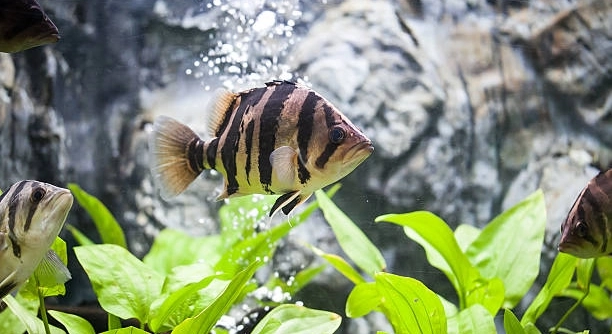
Older tiger barbs need special care as they age to stay healthy and comfortable in their tanks. Supporting their unique needs helps them thrive and live longer, happier lives with proper attention and care.
Supporting older tiger barbs involves maintaining clean water, providing a balanced diet, ensuring proper tank conditions, and monitoring their health closely. These steps help reduce stress and disease risk, promoting longevity and overall well-being in senior fish.
Learning how to care for aging tiger barbs can improve their quality of life and keep your aquarium environment stable and supportive.
Keep the Water Clean and Stable
Maintaining clean water is essential for older tiger barbs. Their immune systems weaken as they age, making them more vulnerable to infections. Regular water changes help reduce harmful toxins like ammonia and nitrites that build up in the tank. Testing water parameters often is necessary to ensure the levels stay within a safe range. Using a good filtration system can also improve water quality by removing debris and waste efficiently. Avoid sudden changes in temperature or pH, as older fish are more sensitive to environmental stress. Consistent tank maintenance will support their health and reduce the chance of illness. Keeping the environment stable helps older tiger barbs stay comfortable and less stressed.
Clean water keeps older tiger barbs healthier and reduces their risk of disease, which is vital for their longevity.
To maintain a clean tank, perform partial water changes weekly, removing about 20 to 30 percent of the water. Avoid using harsh chemicals when cleaning the tank or decorations. Always condition tap water to remove chlorine or chloramine before adding it. Monitoring temperature and pH regularly ensures that the water stays within the ideal range for tiger barbs—usually between 74°F and 79°F, and a pH of 6.5 to 7.5. Avoid overcrowding, as too many fish can increase waste and stress. Regular gravel vacuuming will remove leftover food and waste that can pollute the tank. By keeping the water clean and stable, you create a supportive environment that helps your older tiger barbs live a longer, healthier life.
Provide a Balanced Diet
A balanced diet is key for older tiger barbs to maintain their strength and energy.
Older tiger barbs need food rich in nutrients to support their slower metabolism and aging bodies. Feeding high-quality pellets or flakes designed for tropical fish gives them essential vitamins and minerals. Supplementing their diet with live or frozen foods like bloodworms, brine shrimp, or daphnia provides extra protein and variety. Avoid overfeeding, as excess food can pollute the tank and cause digestive problems. Feed small amounts two to three times daily to keep their digestion steady and prevent obesity. It’s important to watch how your fish respond to different foods and adjust portions accordingly. Feeding a varied diet not only supports their health but also encourages natural behavior and activity. Ensuring proper nutrition will help older tiger barbs maintain good coloration and vitality as they age.
Monitor Their Health Regularly
Regular health checks are important for older tiger barbs.
Watch for signs of illness like lethargy, loss of appetite, or unusual spots on their bodies. Early detection helps prevent serious problems. Older fish can develop swim bladder issues or fin rot, which need prompt treatment.
Use a small tank or container to observe your tiger barbs closely during feeding or water changes. Note any changes in behavior or appearance, such as clamped fins or difficulty swimming. Keep a record of their health over time to track any slow changes. Consulting with an experienced aquarist or vet can help identify subtle symptoms early and recommend appropriate care or medication.
Maintain Proper Tank Conditions
Consistent temperature and tank setup are crucial for older tiger barbs to stay healthy.
Keep the water temperature steady between 74°F and 79°F. Sudden temperature shifts can stress older fish and weaken their immune system. Use a reliable heater and thermometer to monitor this. Tank decorations should offer hiding spots to reduce stress but avoid overcrowding with plants or ornaments, which may limit swimming space. Provide good filtration and aeration to keep oxygen levels high and water clear. A quiet environment, away from loud noises or vibrations, helps older tiger barbs feel secure. Proper tank conditions create a supportive habitat that lowers stress and disease risk, allowing your tiger barbs to thrive as they age.
Reduce Stress in the Tank
Older tiger barbs are more sensitive to stress than younger ones.
Minimize sudden changes in lighting, noise, or tank activity to keep them calm.
Avoid Overcrowding
Keeping fewer fish in the tank helps reduce competition and stress.
A less crowded tank means better water quality and more space for older tiger barbs to swim comfortably.
Provide Gentle Water Flow
Strong currents can tire older tiger barbs quickly.
Adjust filters to create a gentle, steady water flow that mimics their natural environment without exhausting them.
Observe Social Behavior
Older tiger barbs may become less active or social over time.
FAQ
How often should I change the water for older tiger barbs?
Water changes for older tiger barbs should be done weekly, replacing about 20 to 30 percent of the tank water. This helps keep toxin levels low and maintains a stable environment. Frequent small changes are better than large, infrequent ones, which can stress older fish.
What signs show that my tiger barb is aging?
Older tiger barbs may show slower movement, faded colors, less appetite, or difficulty swimming. You might also notice frayed fins or slight weight loss. These signs indicate they need extra care and attention to stay healthy.
Can older tiger barbs live with younger fish?
Yes, but be cautious. Older tiger barbs may be less active and could be outcompeted for food. Keeping enough hiding spots and feeding carefully helps reduce stress and aggression between different age groups.
What should I feed older tiger barbs?
Offer a diet rich in protein and vitamins. High-quality flakes or pellets combined with occasional live or frozen foods like bloodworms or brine shrimp work well. Feed small portions multiple times a day to avoid overfeeding and digestive issues.
How do I know if my older tiger barb is sick?
Look for changes in behavior like lethargy or hiding, loss of appetite, abnormal swimming, or visible symptoms like white spots, redness, or clamped fins. Early detection is key to effective treatment.
Is a heater necessary for older tiger barbs?
Yes, maintaining a consistent temperature between 74°F and 79°F is important. Older tiger barbs are more sensitive to temperature changes, so a reliable heater and thermometer help keep their environment stable.
Can stress affect the lifespan of older tiger barbs?
Absolutely. Stress weakens their immune system and can cause illness. Reducing noise, sudden movements, and overcrowding in the tank helps keep stress levels low, promoting a longer life for your fish.
How long do tiger barbs typically live?
Tiger barbs usually live about 5 to 7 years, but with proper care, some can live longer. Providing clean water, good nutrition, and a calm environment supports their health as they age.
Should I isolate an older sick tiger barb?
If your fish shows signs of illness, isolating it in a separate hospital tank is recommended. This prevents disease spread and allows for focused treatment without stressing other fish.
How important is tank size for older tiger barbs?
Tank size remains important throughout their lives. A spacious tank of at least 20 gallons is ideal for reducing stress and allowing natural swimming behavior, especially as they grow older and slower.
Taking care of older tiger barbs requires some extra attention but is very rewarding. As these fish age, their needs change, and understanding those changes helps keep them healthy and comfortable. Simple actions like maintaining clean water, feeding a balanced diet, and monitoring their health closely make a big difference. Providing a stable and calm environment reduces stress, which supports their immune system and helps prevent disease. Older tiger barbs still enjoy their tank and thrive best when given gentle care suited to their age.
It is important to be patient and observant with aging fish. They may swim more slowly or hide more often, but this is natural for older tiger barbs. Watching their behavior carefully helps catch any health issues early. Small changes in appetite or movement should not be ignored. Adjusting feeding habits and tank conditions as needed supports their well-being. Giving them a peaceful space with gentle water flow and plenty of hiding places can make them feel safe. Avoid overcrowding and sudden disruptions, which can cause stress and harm older fish more easily.
Supporting older tiger barbs is about creating a comfortable, consistent home where they can live out their years happily. Their care may seem simple but takes regular effort and observation. The reward is a tank that stays balanced and lively, with tiger barbs showing their colors and personality well into old age. With the right care, these beautiful fish can live longer, healthier lives and continue to bring enjoyment to your aquarium. Caring for aging fish helps deepen your connection to your aquarium and shows respect for all stages of life.

Hello,
If you enjoy the content that we create, please consider saying a "Thank You!" by leaving a tip.
Every little bit helps us continue crafting quality advice that supports the health, happiness, and well-being of pets around the world, for pets of all shapes, sizes, and species.
We really appreciate the kindness and support that you show us!