
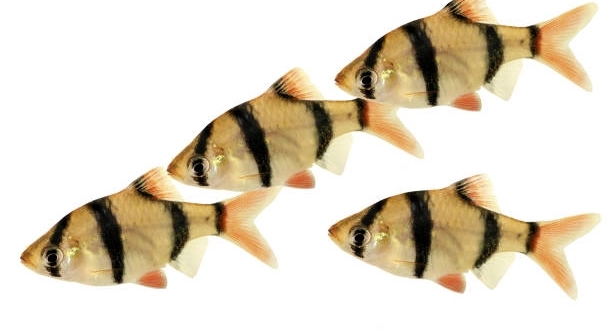
Tiger Barbs are lively fish that usually enjoy their meals, but sometimes they skip feeding times. This can worry their owners who want to keep their fish healthy and happy. Understanding why this happens is important for good care.
Tiger Barbs may avoid food due to stress, illness, water quality issues, or changes in their environment. Poor diet or competition among tank mates can also cause reduced appetite, impacting their overall health and behavior.
Knowing these causes helps you provide better care and a comfortable home for your Tiger Barbs. This information can improve their feeding habits and well-being.
Stress and Environmental Changes
Stress is one of the main reasons Tiger Barbs sometimes avoid food. Sudden changes in their tank, like new decorations, water temperature shifts, or adding new fish, can make them feel unsafe. When fish feel stressed, they often lose interest in eating. Poor water quality also adds to their discomfort, making them less likely to eat. Keeping the water clean and stable helps reduce stress. Consistent feeding times and a quiet environment contribute to a calm tank. Watching your fish for signs of stress, such as hiding or aggressive behavior, can help you take quick action. Maintaining a healthy tank routine is key to encouraging your Tiger Barbs to eat normally.
Stress can cause fish to hide and refuse food, signaling a need to check their environment carefully.
Changes in water pH, ammonia levels, and temperature fluctuations can all contribute to stress. It’s important to regularly test water conditions and perform water changes as needed. Avoid overcrowding, as too many fish increase competition and stress. Providing plants or hiding spots can also help fish feel secure. Addressing these factors often leads to improved appetite and healthier behavior.
Illness and Health Problems
When Tiger Barbs stop eating, illness might be involved. Signs like clamped fins, lethargy, or white spots often appear alongside loss of appetite. Parasites, bacterial infections, or internal issues can affect their desire to eat. Prompt attention to symptoms is important to prevent worsening health. Quarantining sick fish and consulting a vet or aquarium specialist helps treat problems early.
Ignoring illness can lead to serious problems, so observing your fish closely is essential.
Sometimes subtle symptoms go unnoticed until the fish refuse food completely. Early treatment involves improving water quality, using medications if necessary, and isolating affected fish to stop the spread. Balanced nutrition supports recovery. Healthy fish are more likely to eat regularly and thrive in their environment. Monitoring behavior daily ensures you catch illness before it becomes severe.
Diet and Feeding Habits
Tiger Barbs can be picky about their food. Offering the wrong diet or overfeeding might cause them to lose interest.
A balanced diet with varied foods like flakes, pellets, and occasional live or frozen treats keeps Tiger Barbs interested and healthy. Overfeeding can lead to poor water quality, making fish less likely to eat. Feeding small amounts twice a day prevents leftover food from polluting the tank and discouraging appetite. Watching how much your fish eat helps adjust feeding amounts properly.
Sometimes, Tiger Barbs avoid food because the food doesn’t meet their nutritional needs. High-quality, protein-rich foods stimulate appetite and support growth. It’s important to remove uneaten food promptly to maintain clean water. Consistent feeding routines make fish more comfortable and willing to eat. If you notice your Tiger Barbs ignoring certain foods, try offering alternatives to find what they prefer.
Tank Mates and Social Behavior
Aggressive or overly dominant tank mates can intimidate Tiger Barbs, causing them to avoid food.
When fish compete too much for food, weaker or shy Tiger Barbs may not get enough to eat. Social stress from bullying or chasing can reduce appetite. Keeping a well-balanced group and providing enough space and hiding places helps reduce aggression. Separating aggressive fish or choosing compatible species improves feeding success.
Tiger Barbs are active and social, but they need a peaceful environment to feel comfortable. Overcrowding or mixing with aggressive species can disrupt their eating habits. Providing plenty of plants and hiding spots gives them safe areas to retreat and reduces stress. Monitoring interactions helps identify if tank mates are affecting their feeding. Adjusting the community tank or feeding methods can help ensure all fish get enough food.
Water Quality Issues
Poor water quality can make Tiger Barbs lose their appetite quickly. Ammonia, nitrite, or nitrate levels that are too high stress fish and affect their health.
Regular water testing and partial water changes keep conditions stable. Clean water encourages feeding and prevents illness.
Temperature and Lighting
Inconsistent water temperature or too much light can disrupt Tiger Barbs’ feeding. They prefer stable temperatures around 74-79°F (23-26°C). Sudden changes or bright lighting might cause them to hide and eat less.
Maintaining a steady temperature with a reliable heater and using moderate lighting creates a comfortable environment. This helps Tiger Barbs feel secure and more willing to eat.
Feeding Schedule
Feeding at the same times daily helps Tiger Barbs develop a routine. They respond well to consistent schedules, which reduces stress around feeding times.
Tank Size and Space
Crowded tanks can cause competition and stress, making Tiger Barbs avoid food. Providing enough space for swimming and hiding reduces stress and improves feeding behavior.
FAQ
Why is my Tiger Barb not eating even though the water looks clean?
Sometimes, water can look clean but still have harmful chemicals like ammonia or nitrites that are invisible to the eye. These toxins stress the fish and make them avoid food. It’s important to test the water regularly with proper kits, not just rely on appearance. Other causes could be illness, stress from tank mates, or changes in the environment. Check for signs like unusual swimming, clamped fins, or spots on the fish. Addressing these issues can improve their appetite.
How can I tell if my Tiger Barb is stressed?
Signs of stress include hiding often, swimming erratically, gasping at the surface, or losing color. A stressed Tiger Barb may also become aggressive or stop eating. Stress often comes from poor water quality, overcrowding, or sudden changes in the tank. Watching your fish’s behavior closely helps catch stress early. Making sure the tank environment is stable and peaceful reduces stress and encourages regular feeding.
What should I feed Tiger Barbs to keep them healthy and interested?
Tiger Barbs thrive on a varied diet. High-quality flakes or pellets designed for tropical fish are good staples. Adding live or frozen foods like bloodworms, brine shrimp, or daphnia provides protein and keeps their diet interesting. Avoid overfeeding; small portions twice a day are best. Remove any leftover food quickly to prevent water pollution. Feeding a balanced diet supports their immune system and promotes good appetite.
Can changing tank mates improve my Tiger Barb’s eating habits?
Yes, aggressive or overly dominant fish can scare Tiger Barbs away from food. If your Tiger Barbs are shy or hiding during feeding, the tank mates might be too competitive or aggressive. Choosing peaceful, compatible species and providing plenty of hiding spaces can help. If necessary, separating aggressive fish or creating feeding zones in the tank ensures all fish get enough food. Improving social balance often improves appetite.
How often should I test my aquarium water?
Testing water at least once a week is recommended. Frequent checks help spot changes in ammonia, nitrite, nitrate, and pH levels before they harm your fish. If you have a new tank or notice problems like fish not eating, test more often. Keeping a log of results helps track trends and guides water changes. Consistent testing is key to a healthy tank and active fish.
What temperature is best for Tiger Barbs?
Tiger Barbs prefer temperatures between 74 and 79°F (23 to 26°C). Keeping the temperature steady is more important than exact degrees. Sudden changes or extremes can stress fish and reduce appetite. Using a reliable heater and thermometer helps maintain stable conditions. Avoid placing the tank near drafts or direct sunlight, which can cause temperature swings.
How can I reduce stress caused by environmental changes?
Make changes gradually to avoid stressing your fish. When adding new decorations or fish, introduce them slowly and keep water parameters stable. Avoid loud noises or sudden movements near the tank. Providing hiding spots and plants helps fish feel secure. Keeping feeding times consistent and monitoring behavior lets you respond quickly if fish seem unsettled.
What if my Tiger Barb only refuses food sometimes?
Occasional refusal can happen if the fish is resting or adjusting to new food. However, repeated refusal might mean stress, illness, or poor water quality. Check tank conditions and observe behavior closely. Sometimes changing food types or improving the environment helps. If refusal continues for several days, consider isolating the fish to watch for illness and consult a specialist if needed.
Is it okay to skip feeding a day or two if my Tiger Barb won’t eat?
Yes, Tiger Barbs can safely skip food for a day or two. It’s better than forcing food and worsening water quality. However, if refusal lasts longer, investigate underlying causes. Long-term lack of appetite needs attention to avoid health problems. Maintaining a good feeding schedule and environment supports regular eating.
How can I encourage shy Tiger Barbs to eat?
Feed smaller amounts more frequently and offer food near where they usually swim or hide. Use live or frozen foods, which may be more attractive. Reducing tank lighting during feeding or providing hiding spots nearby can make shy fish feel safer. Sometimes feeding in a quieter room or away from active tank mates helps. Patience and observation help find the best approach.
When Tiger Barbs avoid food, it can be concerning, but there are many reasons why this happens. Stress, illness, water quality, and tank conditions all affect their appetite. Paying close attention to their behavior and environment is the best way to keep them healthy. Maintaining clean water and a stable tank environment helps reduce stress, which often improves feeding habits. It’s important to act early if you notice changes, as quick responses can prevent more serious health issues.
Feeding Tiger Barbs a balanced diet with varied food types is key. Overfeeding or offering poor-quality food can cause problems, while a good diet supports their health and appetite. Watching how much and how often they eat allows you to adjust feeding routines. Sometimes, shy or stressed fish might need a quieter space or hiding places to feel safe during feeding. Tank mates and social behavior also play a big role; peaceful fish and enough space encourage better eating habits.
In the end, knowing why Tiger Barbs sometimes avoid food helps you create a better home for them. Regular water tests, consistent feeding schedules, and observing fish closely all make a difference. When problems arise, staying calm and methodically checking possible causes improves your chance to fix the issue. Taking these steps helps your Tiger Barbs stay active, healthy, and happy in their tank for a long time.

Hello,
If you enjoy the content that we create, please consider saying a "Thank You!" by leaving a tip.
Every little bit helps us continue crafting quality advice that supports the health, happiness, and well-being of pets around the world, for pets of all shapes, sizes, and species.
We really appreciate the kindness and support that you show us!