
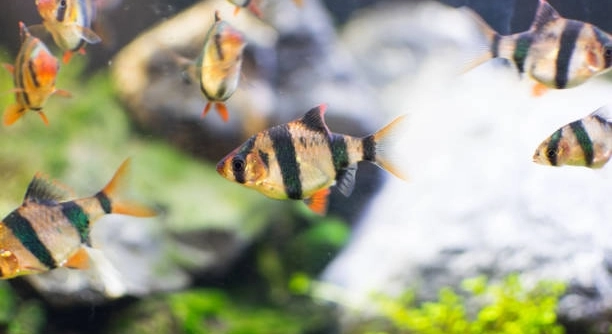
Do you ever find yourself frustrated when your barbs aren’t thriving, even though you’ve set up what seems like the perfect tank?
The most common mistakes that stress barbs in aquariums include overcrowding, poor water quality, incorrect temperature, lack of hiding spots, strong currents, inadequate tank mates, and improper feeding routines.
Understanding how these small but common mistakes affect your barbs can make a big difference in their well-being and daily behavior.
Overcrowding the Tank
Barbs are active swimmers and need space to feel safe and comfortable. When too many fish are kept in one tank, barbs become stressed. They may chase each other more often or even hide instead of swimming freely. A crowded tank can also make it harder for each fish to get enough oxygen. Waste builds up faster, which can lead to poor water quality. Overcrowding also increases the chances of barbs becoming aggressive or injured. A good rule is to give each barb at least two gallons of space. This allows them to form proper schools, swim with ease, and avoid unnecessary stress. When barbs have enough room, they’re more likely to stay active, eat well, and show their true colors. Giving them enough space is one of the easiest ways to support their health and happiness. A peaceful tank starts with proper stocking from the beginning.
Barbs are social, but crowding makes them act out. Keeping numbers in check helps avoid fights, stress, and poor health.
Even if barbs are schooling fish, that doesn’t mean packing them tightly is a good idea. A well-sized school with space to swim is always better than stuffing the tank with too many. Use a stocking calculator or ask an experienced aquarist if you’re unsure how many fish your tank can handle. Watching your barbs swim together calmly is a sign you’ve got the balance right. Not every tank needs to be full to look beautiful or feel active. Less can be more when it comes to keeping fish healthy and calm. It also helps maintain water quality and keeps maintenance manageable for you.
Strong Filter Current
Barbs enjoy movement in the water, but strong filter currents can wear them out or make it hard for them to rest.
If the current in your tank is too strong, your barbs might spend all their time fighting against it. This can lead to exhaustion and even missed meals if food is swept away too quickly. In tanks with high-powered filters, it’s common to see barbs hiding in corners or behind decorations to avoid the flow. While a gentle current can help mimic their natural habitat, too much movement causes more harm than good. To fix this, try using a filter with adjustable flow or adding plants and rocks to break up the current. A sponge filter can also be a good option in smaller tanks. Once the flow is right, you’ll notice your barbs swimming more evenly and showing better energy. They should be able to explore the entire tank comfortably, not just hide from the water movement.
Poor Water Quality
Dirty water causes stress fast. Ammonia, nitrites, and high nitrate levels all impact barb health. Even slightly off levels can lead to fin clamping, dull color, and less activity. Weekly testing helps avoid this.
Maintaining clean water is one of the most important parts of keeping barbs healthy. Uneaten food, fish waste, and decaying plants all add to rising toxins in the water. Using a good filter, vacuuming the gravel during water changes, and not overfeeding are key ways to manage this. Aim to change about 25% of the water each week to keep everything stable. Avoid using harsh chemicals unless needed, and always treat tap water with a conditioner to remove chlorine. Clean water not only keeps barbs stress-free but also prevents diseases. Their colors look brighter and they behave more naturally when the water is safe and balanced.
Barbs may look fine at first, but dirty water slowly wears them down. You might notice them eating less or hiding more often. Their fins might look ragged or start to clamp against their bodies. Some may dart around nervously or gasp at the surface. These are signs the water needs attention. Don’t wait for illness to act—test your water weekly, even if it seems clear. Healthy water means healthy fish. It’s a small habit that can prevent major problems later. Most issues that stress barbs are easier to manage when water conditions are kept clean and consistent.
Lack of Hiding Spots
Barbs enjoy swimming in open water, but they still need places to hide. Without hiding spots, they may become jumpy or aggressive. Hiding areas help reduce stress by making the tank feel safer and more natural.
A tank without cover leaves barbs feeling exposed. Even though they are active fish, they still seek out areas to rest or escape when startled. Plants—real or artificial—offer great hiding spots. So do caves, driftwood, or decor with openings. When fish have places to hide, they’re less likely to fight and more likely to show natural behavior. It may seem like they’re hiding more at first, but once they feel secure, they’ll explore the tank more confidently. It also helps shy or smaller barbs avoid dominant tank mates. Think of hiding places as part of their comfort, not something they just use when sick or scared. A well-scaped tank keeps barbs calm and balanced.
Incompatible Tank Mates
Barbs are active and can nip fins if kept with slow or long-finned fish. Mixing them with the wrong species creates stress for everyone. Choose tank mates that match their energy and can swim comfortably alongside them.
Peaceful but active fish like danios, rasboras, and certain tetras make better companions. Avoid bettas, guppies, or angelfish.
Incorrect Temperature
Barbs need a stable temperature between 74°F and 80°F. Anything lower can slow them down, while higher temps may increase stress and aggression. Sudden changes also hurt their immune system. Always use a reliable heater and thermometer. Avoid placing the tank near windows, vents, or anything that could cause fluctuations. If the temperature shifts often, barbs may become more irritable or hide more. Proper temperature helps keep their energy steady and supports digestion, color, and general behavior. If they look dull or sluggish, checking the temperature is a smart first step. Stable warmth plays a quiet but important role in their health.
Improper Feeding Routine
Feeding too much or too little causes stress quickly. Barbs should be fed small amounts once or twice daily. Keep their diet balanced with flakes, pellets, and occasional treats like bloodworms.
FAQ
What causes barbs to stress in a tank?
Barbs get stressed mostly from overcrowding, poor water quality, and aggressive tank mates. Too much noise or sudden changes in the environment can also cause stress. When barbs are stressed, they may hide, lose color, or stop eating. Keeping the tank clean and peaceful is key to preventing stress.
How often should I clean the tank to reduce stress for my barbs?
It’s best to do a partial water change of about 20–30% every week. Cleaning the gravel and checking the filter regularly also helps. Avoid cleaning everything at once, as that can shock the tank’s balance. Frequent, small cleanings keep water safe and reduce stress.
Can tank size affect barb behavior?
Yes, a tank that is too small causes stress because barbs don’t have enough space to swim and school properly. Barbs need room to move and hide. A minimum of 20 gallons for a small group of barbs is recommended to keep them calm and healthy.
Why do barbs nip fins of other fish?
Barbs naturally nip fins, especially if they feel crowded or stressed. They may also do it to show dominance or during breeding season. Providing enough space, hiding spots, and choosing compatible tank mates can reduce fin-nipping behavior.
What water temperature is best for barbs?
Barbs thrive in water between 74°F and 80°F. Temperature outside this range can weaken their immune system and increase stress. Keep the temperature stable with a heater and avoid placing the tank near drafts or direct sunlight.
How can I tell if my barbs are stressed?
Signs of stress include hiding more than usual, loss of appetite, faded colors, rapid breathing, or clamped fins. Barbs may also become aggressive or lethargic. Watching their daily behavior helps catch stress early before illness develops.
Is it okay to keep barbs with other fish species?
Yes, but choose species that are similar in size and temperament. Avoid slow-moving or long-finned fish, as barbs may nip their fins. Good tank mates include danios, rasboras, and certain tetras. Avoid bettas or angelfish to prevent stress and fights.
How often should I feed my barbs?
Feed barbs once or twice a day, giving only as much food as they can eat in a few minutes. Overfeeding pollutes the water and stresses fish. A varied diet of flakes, pellets, and occasional live or frozen foods keeps them healthy.
What role do hiding spots play in barb care?
Hiding spots help barbs feel safe and reduce stress. Even active swimmers need places to retreat when feeling threatened. Plants, caves, and decorations with openings work well. Lack of hiding places can make barbs more nervous and prone to aggression.
Can water quality problems cause barb disease?
Poor water quality weakens barbs’ immune systems and makes them vulnerable to infections like fin rot or ich. Ammonia and nitrite levels should always be zero, and nitrate kept low. Regular water testing and maintenance prevent most health issues linked to water.
Final Thoughts
Taking good care of barbs means paying attention to their environment and daily needs. These fish are lively and active, but they can become stressed if their tank setup is not right. Small mistakes, like overcrowding or poor water quality, add up quickly and affect their health. Making sure the tank is the right size and that the water is clean can make a big difference. Barbs show their best colors and behave naturally when they feel safe and comfortable in their home.
Another important part of caring for barbs is choosing the right tank mates and providing enough hiding spots. Barbs are social but can get stressed when mixed with slow or delicate fish. Keeping them with other active species helps reduce fights and fin nipping. Adding plants, caves, or decorations where they can hide lowers their stress and gives them places to rest. This balance between open swimming space and hiding places supports their natural behavior and well-being.
Finally, a steady routine helps barbs thrive. Feeding them the right amount of food, keeping the temperature stable, and regularly cleaning the tank are simple steps that make a big impact. Watching your fish daily will help you notice early signs of stress or illness. When barbs feel good, they are more active, colorful, and enjoy their environment. Paying attention to these details ensures a healthy and peaceful tank, making your barbs happy and your aquarium easier to manage.

Hello,
If you enjoy the content that we create, please consider saying a "Thank You!" by leaving a tip.
Every little bit helps us continue crafting quality advice that supports the health, happiness, and well-being of pets around the world, for pets of all shapes, sizes, and species.
We really appreciate the kindness and support that you show us!