
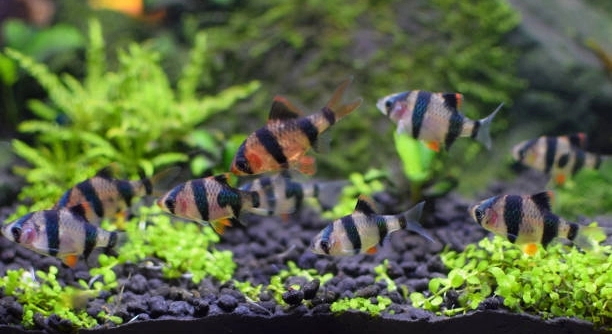
Tiger barbs are a popular freshwater fish known for their vibrant colors and active nature. Many owners notice that these fish suddenly stop moving and stay still once the lights go off. This behavior can seem puzzling at first glance.
Tiger barbs remain still after lights off primarily due to their natural instinct to reduce activity during low-light conditions. This response helps conserve energy and avoid predators, aligning with their diurnal rhythm, where they are active during the day and rest when it gets dark.
Understanding why tiger barbs behave this way helps provide better care and a more comfortable environment for them in home aquariums.
Why Tiger Barbs Freeze When the Lights Go Off
When the aquarium lights turn off, tiger barbs quickly reduce their movement and seem to freeze in place. This behavior is linked to their natural survival instincts. In the wild, sudden darkness signals potential danger, so staying still helps them avoid attracting predators. The sudden change in light triggers their sensory system to switch to a resting mode. Although they look motionless, tiger barbs remain alert and ready to react if needed. This pause in activity also helps them conserve energy during their resting period. Their eyes adjust to low light, and their brain shifts focus from exploring to cautious stillness. This quiet period is essential for their well-being. Knowing this helps aquarium owners understand that this behavior is normal and not a sign of illness or stress. It also highlights the importance of maintaining a consistent day-night cycle to support the fish’s natural rhythm.
This natural resting behavior supports tiger barbs’ health by reducing stress and energy use.
Keeping a steady light schedule helps tiger barbs feel secure and maintain normal activity patterns in the aquarium.
How to Support Tiger Barbs’ Natural Behavior
Creating an environment that respects tiger barbs’ natural cycles improves their overall comfort. This means setting a regular light schedule that mimics daylight hours and ensuring there are plenty of hiding spots in the tank. Plants, rocks, or decorations offer shelter where the fish can feel safe during darker times. Avoid sudden changes in lighting, which can startle or stress them. Gradual dimming can help ease the transition to darkness. Feeding routines should also align with their active periods during the day. Providing good water quality and a balanced diet supports their energy levels and health. Observing their behavior regularly will help catch any unusual changes early. Keeping the tank quiet and free from sudden disturbances during their rest time respects their need for calm. These measures create a stable environment where tiger barbs thrive naturally.
Tiger barbs respond well to stable conditions that respect their natural rhythms.
A balanced environment with proper lighting and shelter encourages healthy behavior and reduces stress.
Maintaining a consistent schedule and suitable habitat is key to ensuring tiger barbs stay healthy and active when the lights are on. This approach prevents unnecessary worry when they become still after lights off, showing they are simply resting as they would in their natural environment. Creating calm and predictable surroundings benefits both the fish and the owner’s peace of mind.
Light Sensitivity of Tiger Barbs
Tiger barbs have keen sensitivity to changes in light, which directly influences their activity levels. Sudden darkness triggers an instinctive response to stop moving. This helps them avoid predators and conserves energy during low visibility periods.
Their eyes adjust to dim conditions by reducing activity, allowing better focus on potential threats. The sensitivity also means sudden or harsh lighting changes can cause stress. Gradual light transitions are better for their comfort. Understanding this sensitivity is crucial for creating a suitable aquarium environment. Adjusting light levels slowly helps tiger barbs feel safer and reduces erratic behavior.
Light sensitivity also affects their feeding and social behavior. During bright periods, tiger barbs are active and interact frequently. When the light dims, they become more cautious and quiet, reflecting their natural rhythms. Providing a stable light environment supports these natural responses.
Creating a Comfortable Aquarium Environment
Providing hiding spots is essential for tiger barbs to feel secure during dark periods. Plants, caves, and decorations create safe spaces that reduce stress. These spots mimic natural shelters and encourage normal behavior.
Maintaining clean water and proper temperature supports their health and activity. Stress from poor conditions can disrupt their natural light response, making them more restless or lethargic. Consistent feeding schedules during daylight also support energy levels and normal activity cycles.
A well-planned tank setup with stable conditions helps tiger barbs maintain their natural rhythms. It reduces unnecessary stress and encourages healthy, predictable behavior both when lights are on and off.
Nighttime Behavior Patterns
Tiger barbs naturally slow down at night as part of their daily routine. This decrease in movement helps conserve energy. It is a normal resting behavior that supports their health and well-being.
During this time, they often find a secure spot and remain still. This reduces their visibility to potential threats. Their quiet state is an important part of their natural cycle.
Importance of Consistent Light Cycles
Maintaining a consistent light schedule helps tiger barbs regulate their internal clocks. Sudden changes in lighting can cause stress and disrupt their natural behaviors. Regular day-night cycles promote better health, encourage normal activity patterns, and support proper feeding and resting habits. Ensuring a predictable environment makes them feel secure and balanced.
Signs of Stress in Tiger Barbs
Changes in normal stillness or sudden erratic behavior may indicate stress. Monitoring their behavior helps catch issues early.
FAQ
Why do tiger barbs stay still after lights go off?
Tiger barbs stay still after the lights go off because it is part of their natural behavior. Darkness signals a time to rest and conserve energy. In the wild, this stillness helps them avoid predators by reducing movement. Their bodies naturally slow down as their eyes adjust to the low light, making them less active during nighttime.
Is it normal for tiger barbs to freeze completely when the tank lights turn off?
Yes, it is normal for tiger barbs to freeze or stay very still when the lights go off. This is a natural defense mechanism and part of their resting cycle. They may stay in one spot, often near a hiding place, to feel secure until the lights come back on. This behavior indicates they feel safe and are following their natural rhythm.
Can sudden changes in lighting stress tiger barbs?
Sudden changes in lighting can indeed stress tiger barbs. They are sensitive to abrupt shifts in brightness or darkness, which may cause erratic swimming or hiding. Gradual dimming and brightening of aquarium lights help them adjust more comfortably. A consistent light schedule reduces stress and promotes healthy behavior.
Do tiger barbs need hiding places in their tank?
Yes, tiger barbs benefit from having hiding places in their tank. Plants, caves, and decorations provide safe spots where they can retreat, especially when the lights go off. These hiding places help reduce stress and mimic their natural habitat, making them feel more secure and comfortable.
How long should the aquarium lights stay on for tiger barbs?
Aquarium lights should generally stay on for 8 to 12 hours a day to mimic natural daylight. This consistent schedule helps tiger barbs regulate their daily activity and rest cycles. Too much light can cause stress, while too little light may disrupt their natural behavior patterns.
Why do tiger barbs stop eating when the lights are off?
Tiger barbs stop eating when the lights are off because they are less active and enter a resting state. They rely on their vision to find food, so darkness reduces their feeding behavior. Feeding should be timed during the daylight period when they are more alert and active.
What signs indicate a health problem if tiger barbs stay still too long?
If tiger barbs remain still for unusually long periods during daylight or show other signs like loss of appetite, faded colors, or labored breathing, it may indicate health problems. Illness, poor water quality, or stress can cause these symptoms. Regular observation and tank maintenance help prevent issues.
Can the water temperature affect tiger barbs’ behavior?
Yes, water temperature significantly affects tiger barbs’ activity levels. Ideal temperature ranges between 74°F and 78°F (23°C–26°C). If the water is too cold, their metabolism slows, making them less active. Too warm water can increase stress and erratic behavior. Stable temperature supports normal patterns, including resting when lights are off.
Should I worry if tiger barbs hide a lot when the lights go off?
It is normal for tiger barbs to hide more when the lights go off, as darkness triggers resting and protective behavior. However, excessive hiding during daylight hours might signal stress or illness. Ensuring proper tank conditions and a calm environment will reduce unnecessary hiding.
How can I help tiger barbs adjust to the night cycle in a home aquarium?
Helping tiger barbs adjust involves maintaining a consistent light schedule and providing hiding spots. Use a timer for aquarium lights to ensure regular on/off times. Gradually dimming lights can ease transitions to darkness. Keeping the tank quiet during rest periods also supports their comfort and natural behavior.
Tiger barbs staying still after the lights go off is a natural and expected behavior. It shows they are following their instincts to rest and conserve energy when visibility is low. This quiet time is important for their health and helps them feel safe in the aquarium. Understanding this behavior helps reduce worry for aquarium owners who may otherwise think something is wrong. When tiger barbs freeze or stay still in the dark, they are simply responding to their environment as they would in the wild.
Providing a stable environment with a consistent light cycle is key to supporting tiger barbs’ natural rhythms. They benefit from a regular schedule that mimics day and night, with about 8 to 12 hours of light followed by darkness. This helps their bodies and minds adjust smoothly to changes in lighting. Sudden switches between light and dark can be stressful, so gradual changes in lighting are better. In addition, having places to hide and rest during the night adds to their comfort and reduces stress.
Overall, keeping tiger barbs healthy and comfortable means respecting their natural patterns. Watching them slow down and stay still after the lights go off should be seen as a positive sign of well-being. Owners who maintain clean water, steady temperature, proper feeding routines, and a consistent lighting schedule will create a peaceful environment where tiger barbs can thrive. This approach not only supports their health but also enhances the enjoyment of keeping these lively and colorful fish.

Hello,
If you enjoy the content that we create, please consider saying a "Thank You!" by leaving a tip.
Every little bit helps us continue crafting quality advice that supports the health, happiness, and well-being of pets around the world, for pets of all shapes, sizes, and species.
We really appreciate the kindness and support that you show us!