
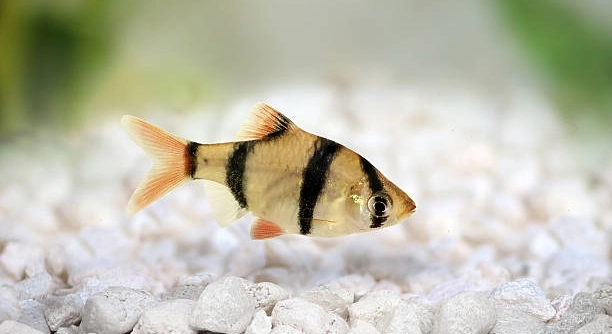
Is your Barb tank looking a bit dull or the fish acting differently? Sometimes, subtle changes can mean your aquatic environment needs a bit of attention. Keeping your tank healthy is important for the well-being of your Barb fish.
Several signs indicate your Barb tank requires a refresh, including cloudy water, algae buildup, changes in fish behavior, faded coloration, uneven plant growth, poor filtration performance, and accumulation of waste. Recognizing these factors early can prevent further issues and maintain a balanced habitat.
Identifying these signs helps you maintain a thriving, vibrant tank for your Barb fish. This guide will explain what to look for and how to improve your tank’s condition.
Cloudy Water and Algae Build-Up
Cloudy water in a Barb tank is often the first noticeable sign that something is off. This can result from excess waste, uneaten food, or insufficient filtration. When water clarity decreases, it reduces oxygen levels, affecting the fish’s health. Algae buildup on the tank walls or decorations also indicates an imbalance. Algae thrive on excess nutrients and light, and if left unchecked, can suffocate plants and disrupt the tank’s ecosystem. Regular water changes and proper cleaning routines are essential to prevent this problem. Monitoring feeding amounts can help avoid overfeeding, which often leads to waste accumulation. Ensuring your filter is appropriate for the tank size and is cleaned regularly will keep water conditions stable. Taking these steps promptly can restore water clarity and reduce algae growth, improving the environment for your Barb fish.
Algae buildup and cloudy water require consistent maintenance. Ignoring these signs can harm fish health and reduce tank aesthetics.
Keeping water clean and controlling algae ensures your Barb tank remains a healthy, balanced environment. Small changes in routine can have a big impact on water quality and fish behavior.
Changes in Fish Behavior and Appearance
When Barbs start acting differently or lose their vibrant color, it usually signals stress or poor water conditions. Fish may become lethargic, hide more often, or show erratic swimming. Color fading can be caused by nutrient deficiencies or water quality problems. Stress weakens their immune system, making them vulnerable to illness. Watching your fish daily helps catch these changes early. Adjusting water parameters like pH, temperature, and ammonia levels is critical. Providing a balanced diet supports their coloration and health. Sometimes, overcrowding or aggressive tank mates also cause stress, so check the tank setup. Making the necessary corrections can help Barbs regain their usual activity and bright colors.
Healthy fish behavior and appearance reflect good tank conditions and attentive care. Recognizing early signs protects your Barbs from serious health issues.
Maintaining stable water conditions and a peaceful environment keeps your fish lively and colorful. Proper feeding and monitoring are key to sustaining their well-being.
Uneven Plant Growth and Poor Filtration
Uneven plant growth can signal problems with lighting, nutrients, or water quality. When some plants thrive while others struggle, the balance in the tank is disturbed. This can affect the overall health of your Barb tank.
Plants need consistent light and nutrients to grow evenly. If some areas receive more light or fertilizer than others, plants will grow unevenly, creating patches of weak or dying foliage. Poor water quality also impacts plant health, as excess waste or imbalanced pH levels can stunt growth. Filtration plays a key role in maintaining water clarity and nutrient balance. If the filter is clogged or inefficient, harmful substances build up, affecting both plants and fish. Keeping filters clean and ensuring adequate lighting and nutrients help promote healthy, uniform plant growth and a stable tank environment.
Checking your filtration system regularly and adjusting lighting schedules can greatly improve plant health. Consistency is crucial for keeping plants vibrant and supporting your Barb fish.
Waste Accumulation and Tank Maintenance
Waste buildup occurs from uneaten food, fish waste, and decaying plants. If not cleaned regularly, it pollutes the tank and harms your Barbs. Waste can increase ammonia and nitrate levels, stressing fish and encouraging algae growth.
Regular tank maintenance reduces waste accumulation and keeps water parameters stable. Performing partial water changes and vacuuming the substrate removes harmful residues. Skimming debris from the surface also helps maintain water quality. Proper feeding amounts prevent excess food from decomposing. A clean tank supports healthy fish behavior and appearance, preventing disease outbreaks. Consistency in maintenance routines is essential to avoid sudden spikes in harmful chemicals. Over time, a well-kept tank improves the longevity and vibrancy of your Barbs, making their environment safe and comfortable.
Regular attention to waste control prevents common tank problems and promotes a healthier habitat. A maintenance schedule tailored to your tank’s needs is beneficial for long-term success.
Filter Performance Decline
Filters can lose efficiency over time due to clogging or wear. This reduces water circulation and filtration quality, causing water to become dirty faster. Regular filter checks and timely replacements are important to maintain a healthy tank environment.
A failing filter allows harmful toxins like ammonia and nitrites to accumulate. This directly stresses your Barbs, leading to poor health and weakened immunity. Ensuring the filter is suited to your tank size and cleaned routinely keeps water clear and safe.
Faded Coloration in Barbs
Faded coloration often signals stress or poor nutrition. When Barbs lose their vibrant colors, it can be a response to water quality issues, illness, or an imbalanced diet. Addressing these factors is essential to restore their natural hues.
Monitoring Tank Conditions
Consistent monitoring of water parameters like pH, ammonia, and temperature is vital. Fluctuations can stress Barbs and disrupt the tank’s balance.
Maintaining stable conditions prevents many common problems and helps your fish stay healthy and active.
FAQ
How often should I refresh my Barb tank?
Refreshing your Barb tank depends on its size, filtration, and stocking levels. Generally, partial water changes of 20-30% every 1-2 weeks help maintain water quality. A full refresh or deep cleaning may be needed every few months if buildup occurs. Regular maintenance keeps the environment stable and healthy for your fish.
What causes cloudy water in a Barb tank?
Cloudy water usually results from bacterial blooms, excess waste, or overfeeding. Poor filtration can also contribute. These factors cause suspended particles or bacteria to multiply, reducing water clarity. Controlling feeding, cleaning the tank, and using a proper filter help restore clear water.
How can I control algae growth?
Algae growth is common but manageable. Limiting light exposure to 8-10 hours per day and avoiding direct sunlight reduces algae. Regular water changes and cleaning surfaces remove nutrients algae need. Adding live plants competes with algae for resources, helping keep growth under control.
Why are my Barbs losing color?
Fading coloration may signal stress, illness, or poor diet. Water quality problems like high ammonia or nitrites weaken fish. Nutritional deficiencies also affect pigmentation. Check water parameters and provide a balanced diet rich in vitamins to help restore color.
What is the best way to clean the tank without stressing my Barbs?
Perform partial water changes rather than full cleanings. Use a gravel vacuum to remove debris gently, and clean algae off decorations carefully. Avoid drastic water parameter changes by matching new water temperature and chemistry to the tank. Consistent, gentle maintenance reduces fish stress.
How do I know if my filter is working properly?
A working filter keeps water clear, circulates well, and operates quietly. If water flow slows or noise increases, it might be clogged or damaged. Regularly inspect and clean filter media as recommended. Replace worn parts to maintain efficiency and protect water quality.
Can overcrowding cause issues in my Barb tank?
Yes, overcrowding stresses fish, raises waste levels, and strains filtration. This leads to poor water quality and aggressive behavior. Follow recommended stocking guidelines for your tank size. Provide hiding spots and maintain proper filtration to keep fish comfortable.
What signs indicate my Barbs are stressed?
Stress signs include hiding, lethargy, loss of appetite, faded colors, and erratic swimming. Stress often results from poor water quality, aggressive tank mates, or sudden changes. Addressing these issues quickly improves fish health and reduces stress.
Is it necessary to test water parameters regularly?
Testing water regularly is essential. It helps detect harmful changes before they affect fish health. Monitor pH, ammonia, nitrites, and nitrates weekly. Adjust water chemistry and perform water changes as needed to maintain a stable environment.
How can I improve plant growth in my Barb tank?
Healthy plants need balanced lighting, nutrients, and stable water conditions. Use a quality aquarium light and provide plant fertilizers if necessary. Avoid overcrowding plants and remove dead leaves to prevent decay. Healthy plants improve oxygen levels and reduce algae growth.
What should I feed my Barbs to maintain their color and health?
Feed a varied diet with high-quality flakes or pellets supplemented by live or frozen foods like brine shrimp or bloodworms. Foods rich in carotenoids and vitamins support vibrant coloration and immune health. Avoid overfeeding to maintain water quality.
How can I prevent waste buildup in the tank?
Regular partial water changes and vacuuming substrate remove excess waste. Feeding appropriate amounts and removing uneaten food quickly also help. Efficient filtration breaks down waste, so maintain your filter properly. Together, these steps keep the tank clean and safe.
When should I consider a full tank refresh?
A full refresh is rarely needed unless the tank has persistent problems like heavy algae, toxic buildup, or disease outbreaks. In such cases, temporarily moving fish to a safe container while thoroughly cleaning the tank can restore conditions. Use this as a last resort, as it can be stressful for fish.
Can water temperature affect my Barb tank’s health?
Yes, Barbs thrive in stable temperatures between 74-78°F (23-26°C). Sudden temperature changes cause stress and weaken immunity. Use a reliable heater and thermometer to maintain consistent temperature. Avoid placing the tank near drafts or direct sunlight.
What are common mistakes that lead to Barb tank problems?
Overfeeding, irregular maintenance, overcrowding, and poor filtration are frequent causes of tank issues. Ignoring water quality tests and sudden changes to the tank also stress fish. Establishing a routine and following care guidelines prevent most problems.
These answers cover the key concerns about Barb tank health and maintenance, helping you keep your fish thriving and their habitat balanced.
Keeping a Barb tank healthy requires regular attention to several key factors. Noticing signs like cloudy water, algae buildup, or changes in fish behavior can help you decide when your tank needs a refresh. These indicators often mean water quality is declining or that the environment inside the tank is no longer balanced. Taking action early by cleaning, adjusting water parameters, or improving filtration can prevent serious problems. Consistency in maintenance routines is important to keep the tank stable and your Barbs healthy.
A well-maintained tank creates a better environment for both plants and fish. Plants need even lighting and proper nutrients to grow well, while Barbs depend on clean water and good filtration. If plants grow unevenly or fish lose their vibrant colors, it often points to underlying issues that need addressing. Paying attention to these details not only helps keep the tank looking good but also supports the overall health of its inhabitants. Small improvements in care can lead to noticeable changes in fish behavior and tank appearance.
Refreshing your Barb tank does not have to be a difficult task. Simple steps such as partial water changes, regular filter cleaning, and monitoring water quality go a long way. It is also important to feed your fish properly and avoid overcrowding the tank. Taking these measures regularly helps avoid many common problems that affect Barbs. By maintaining a balanced environment, you ensure your fish live longer, stay more colorful, and display their natural behaviors more fully.

Hello,
If you enjoy the content that we create, please consider saying a "Thank You!" by leaving a tip.
Every little bit helps us continue crafting quality advice that supports the health, happiness, and well-being of pets around the world, for pets of all shapes, sizes, and species.
We really appreciate the kindness and support that you show us!