
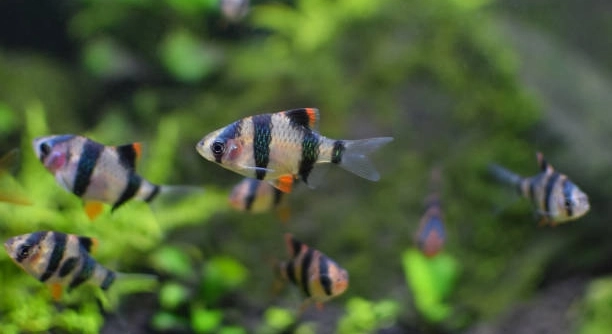
Do your tiger barbs seem bored or uninterested despite having plenty of space in their tank and colorful tankmates around them?
Interacting with tiger barbs can be both enjoyable and enriching when done correctly. These active, social fish respond well to movement, enrichment tools, and consistent tank routines, making them ideal for engaging, observation-based interactions.
Simple changes to your setup and routine can bring out their best behaviors and create a livelier, more entertaining aquarium experience.
Add Floating Toys or Decorations
Tiger barbs are curious and active swimmers. Adding floating toys or moving decorations like bobbing plants or air-driven ornaments can capture their attention and give them something to chase or investigate. These items offer visual and physical stimulation, which helps prevent boredom and promotes healthy activity. It’s important to rotate or rearrange the toys from time to time so the fish remain interested. Choose soft-edged or flexible materials to avoid injury, and avoid overcrowding the tank. When placed thoughtfully, these additions can become interactive features that encourage the barbs to swim more, dart around, and remain alert.
Keep decorations spaced out to avoid stress and allow for easy swimming.
Small adjustments like adding floaters can shift your tiger barbs’ behavior noticeably. With just a bit of planning, these tiny additions provide mental and physical engagement that mimics the stimulation they might experience in the wild, helping to create a more balanced tank.
Use a Feeding Stick or Pipette
Feeding tools help create intentional interaction. By slowly introducing food into the water using a stick or pipette, you can engage your tiger barbs and control food distribution more effectively.
This method encourages the fish to swim toward your hand or the stick, helping them associate you with food and activity. It gives you more control over where and how the food is spread, reducing waste and avoiding aggressive feeding behavior. You can move the pipette around gently to make the barbs follow it or pause to let them snatch the food. This movement mimics the flow of live food, keeping them alert. Over time, your fish may begin to respond to your presence more eagerly, looking for their next feeding. It’s a subtle but reliable way to strengthen your interaction with them while supporting cleaner tank conditions and healthier feeding habits.
Offer a Mirror Occasionally
Mirrors can spark short bursts of excitement in tiger barbs by triggering their territorial instincts. When used briefly, this encourages them to display brighter colors and perform active movements without causing long-term stress. Use mirrors for only a few minutes at a time.
Holding a mirror against the tank creates the illusion of another fish. Your tiger barbs may start flaring, circling, or chasing their reflection, which increases activity and provides temporary stimulation. It’s important to limit this activity to no more than 5 minutes to avoid agitation. Don’t leave the mirror in the tank, and avoid using it too frequently. This interaction should be rare and controlled. Overuse can lead to unnecessary aggression or stress, especially in smaller tanks. When used correctly, a mirror can be a safe, stimulating activity that excites your tiger barbs and encourages natural responses without harming their behavior over time.
Tiger barbs thrive on short bursts of stimulation. Mirrors help promote alertness, giving them a chance to react and move more actively, similar to how they’d respond to other fish in the wild. Because they’re social and semi-aggressive, the visual presence of a “rival” gets their attention quickly. After the mirror is removed, they typically settle down within minutes. Rotating this form of interaction with other enrichment methods helps balance their overall activity level and reduces the chance of developing aggression toward real tankmates. It’s an easy, hands-on way to keep them engaged without needing extra equipment or major tank changes.
Rearrange Tank Decorations
Changing the layout of your tank gives tiger barbs something new to explore and helps reduce territorial behavior by resetting their environment. A refreshed setup can spark curiosity and increase activity.
Every few weeks, shifting the positions of plants, rocks, or tunnels helps maintain their interest and avoids routine. Tiger barbs often claim certain areas, but when the setup changes, they begin investigating again. This adds mental stimulation and reduces boredom. It also helps minimize aggression, since established pecking orders may get disrupted slightly. Be sure to make changes gently to avoid stressing the fish—move one or two elements at a time rather than overhauling everything. It’s also helpful to observe how they respond to each change, adjusting if needed. Over time, these small changes keep your tank active and give your barbs new paths and places to explore. You’ll likely notice an increase in movement and interaction after each update.
Hand-Feed When Possible
Once tiger barbs are used to your presence, they may swim up for food directly from your fingers. This method builds trust and gives you a closer view of their behavior and health.
Hand-feeding works best with flakes or small pellets. Move slowly, and keep your fingers just below the surface.
Introduce Live or Frozen Food
Feeding tiger barbs live or frozen treats like brine shrimp or daphnia stimulates their natural hunting instincts. These foods move in the water, making the fish chase and snatch them. This keeps feeding times exciting and more interactive. It also adds variety to their diet and improves overall health. Only feed in small amounts and watch for uneaten food. Overfeeding or leaving leftovers can quickly dirty the tank. Use this type of feeding once or twice a week. You’ll likely notice more vibrant colors and alert behavior right after feeding. It’s a simple way to enrich their daily routine.
Let Them Watch You
Tiger barbs often respond to movement outside the tank. Sitting or standing near the glass lets them learn your habits. Over time, they may follow your motion, showing interest and recognition.
FAQ
How often should I interact with my tiger barbs?
Interacting with tiger barbs a few times a week is enough to keep them stimulated without causing stress. Short, consistent sessions of about 5 to 10 minutes allow them to stay active and responsive. Overdoing interaction, especially aggressive play like mirror use, can lead to stress or exhaustion. Balance activity with plenty of rest and normal tank routines. Watch their behavior to adjust interaction frequency. If they seem restless or aggressive outside of normal levels, reduce the time spent on direct engagement.
Can tiger barbs recognize their owners?
While tiger barbs do not recognize owners like pets such as dogs or cats, they can learn to associate a person with feeding and activity. They often respond to movement near the tank or the presence of feeding tools by swimming closer and becoming more active. This recognition is based on routine and positive experiences rather than individual identification. Regular feeding and gentle interaction help build this conditioned response, making them more comfortable around you.
Is it safe to use mirrors for interaction?
Mirrors are safe when used occasionally and briefly. They stimulate natural territorial behavior but can also cause stress or aggression if left too long or used frequently. Limit mirror exposure to about 5 minutes, no more than once or twice a week. Avoid leaving mirrors in the tank unattended. Using mirrors sparingly provides short bursts of excitement without negative effects.
What types of live food are best for tiger barbs?
Brine shrimp, daphnia, and bloodworms are popular live foods for tiger barbs. These small, moving foods encourage natural hunting instincts and add variety to their diet. Use live food sparingly—once or twice a week—to supplement flakes or pellets. Ensure live food is sourced from reputable suppliers to avoid introducing parasites or contaminants. Frozen versions of these foods are also effective and easier to manage. Feeding live or frozen food promotes vibrant colors and active behavior.
How do I know if my tiger barbs are stressed?
Signs of stress in tiger barbs include hiding constantly, loss of color, erratic swimming, and aggression toward tankmates. They may also lose appetite or become lethargic. Stress often comes from poor water quality, overcrowding, or aggressive tankmates. Regular tank maintenance and monitoring water parameters help prevent stress. If interaction causes excessive chasing or aggression, reduce the stimulation. Stress signs should be addressed quickly to avoid illness or long-term behavior problems.
Can tiger barbs live with other fish?
Tiger barbs are semi-aggressive and may nip fins or chase slower or long-finned fish. They do best in groups of at least six to spread aggression and maintain social structure. Choosing tankmates with similar activity levels and temperaments, like danios or barbs, helps maintain harmony. Avoid slow-moving or delicate species. Proper tank size and hiding spaces reduce conflicts. Regular observation is key to ensuring peaceful coexistence.
How can I encourage natural behaviors in tiger barbs?
Provide a varied environment with plants, rocks, and open swimming areas to encourage exploration and schooling. Feeding live or frozen foods stimulates hunting and foraging instincts. Occasional use of interaction tools like feeding sticks or mirrors promotes activity and alertness. Changing tank layout periodically refreshes their environment and keeps them curious. Maintaining clean water and proper tank conditions supports healthy behavior and reduces stress, allowing natural actions to emerge.
Are tiger barbs easy to train?
While not trainable like some pets, tiger barbs can learn simple routines. They respond to feeding times and can associate movements or tools with food. Consistent schedules help them anticipate care and interact more actively. Training for tricks is limited, but they do recognize patterns, making feeding and interaction more engaging for both fish and owner. Patience and repetition are key to building these simple behaviors.
What should I avoid when interacting with tiger barbs?
Avoid overstimulating them with constant mirror exposure or rough handling. Do not overcrowd the tank or introduce incompatible species that increase aggression. Avoid sudden movements outside the tank that could frighten them. Keep interaction sessions short and observe their response. Overfeeding during interactive feeding can harm water quality and fish health. Balance activity with rest and maintain a stable environment to keep tiger barbs healthy and happy.
Tiger barbs are lively and curious fish that benefit greatly from interaction and enrichment in their environment. Providing different ways to engage with them not only helps reduce boredom but also encourages natural behaviors like swimming, chasing, and exploring. Simple additions such as floating toys, occasional mirror use, or live food feedings can stimulate their activity and make your aquarium more interesting to watch. These methods do not require complex equipment but do require attention to the fish’s reactions and needs to avoid causing stress.
Maintaining a balance between interaction and rest is important for the well-being of tiger barbs. While short bursts of stimulation can be beneficial, constant or overly aggressive engagement may lead to stress or fatigue. It is helpful to observe your fish regularly and adjust your methods based on their behavior. Rearranging tank decorations periodically and using gentle feeding techniques like hand-feeding or feeding with a pipette can also keep the fish mentally and physically engaged. These simple changes can make a noticeable difference in their overall activity and happiness.
Overall, interacting with tiger barbs is a rewarding experience when done thoughtfully and with care. These fish respond best to consistency, variety, and respectful handling of their natural instincts. Offering a mix of enrichment activities while keeping the tank clean and stable supports their health and social dynamics. With some effort, your tiger barbs can become more responsive and lively, making your aquarium a vibrant and enjoyable space. This balance helps ensure the fish remain healthy and their behaviors remain natural over time.

Hello,
If you enjoy the content that we create, please consider saying a "Thank You!" by leaving a tip.
Every little bit helps us continue crafting quality advice that supports the health, happiness, and well-being of pets around the world, for pets of all shapes, sizes, and species.
We really appreciate the kindness and support that you show us!