
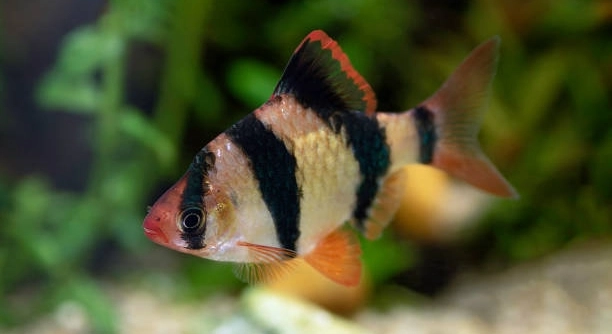
Are your tiger barbs spending more time resting at the bottom of the tank than swimming actively around like they used to?
Tiger barbs may sit at the bottom due to stress, poor water quality, illness, or changes in their environment. These factors can affect their behavior and health, causing them to rest more or display unusual swimming patterns.
Understanding these causes can help you create a healthier space for your tiger barbs and bring back their usual energy.
Common Reasons Tiger Barbs Sit at the Bottom
Tiger barbs often rest at the bottom due to stress from environmental changes, poor water quality, or health problems. Sudden shifts in temperature, high ammonia levels, or unbalanced pH can all disrupt their normal activity. These fish are sensitive to their surroundings, and even small changes may affect their behavior. Illness is another common reason. Internal parasites, infections, or swim bladder disorders can lead to lethargy and bottom-dwelling. Sometimes, tiger barbs may simply be tired or sleeping, especially if the tank lights have recently turned on or off. It’s also worth noting that aggressive tank mates or overcrowding can cause them to retreat. Observing other signs like clamped fins, loss of appetite, or erratic swimming can help determine if something more serious is happening. Early identification of these causes allows for quicker responses and better care. Taking a closer look at your tank setup can help prevent long-term issues.
A quiet, bottom-dwelling tiger barb is usually reacting to something in its environment or health.
Check water parameters first. Ammonia, nitrites, or low oxygen levels can stress your fish. Make adjustments gradually and monitor behavior.
When to Be Concerned About Bottom-Dwelling
If your tiger barb is sitting still for long periods or showing signs of discomfort, it could be more than just rest.
Behavioral changes like gasping at the surface, labored breathing, pale coloration, or clamped fins often indicate underlying problems. Illnesses like swim bladder disease or internal parasites can cause weakness or buoyancy issues. In such cases, isolation in a hospital tank may help prevent the spread of disease. Testing the water is always a good starting point. If the water quality is stable and symptoms persist, a bacterial or parasitic infection might be the cause. Using a reliable water test kit ensures accuracy. Look out for signs such as white stringy feces, bloating, or rapid breathing. These may help identify whether the issue is digestive, parasitic, or bacterial. Always research safe treatment options, as some medications can harm sensitive species or disrupt your tank’s balance. Don’t hesitate to consult an aquatic vet if things worsen. Keeping detailed notes of symptoms and timing can also be helpful.
Fixing the Problem Early
Start with a full water test and review your maintenance routine. Poor conditions are often the main reason tiger barbs become inactive. Clean the tank, remove waste, and ensure filters are working properly.
If water quality checks out, observe feeding behavior and swimming patterns. A healthy tiger barb eats eagerly and swims actively. If yours appears uninterested or struggles to swim, this may point to illness or stress. Check if other fish are acting normally. Aggressive tank mates can cause bullying, making barbs hide or stay near the bottom. Try rearranging decorations to break line-of-sight and reduce territorial tension. If the issue continues, isolate the affected fish and watch closely for changes in appetite, behavior, or appearance. Even subtle signs can offer clues. Staying consistent with feeding times and keeping lighting steady may also reduce stress. Prevention and consistency can make a big difference.
Medication should only be used when you’ve identified a clear illness. Random treatments can worsen water conditions or affect healthy fish. Use medications designed for your fish type, and always follow the directions carefully. If you’re unsure, seek advice from reliable aquarium sources or a professional. Supporting the fish with clean water and a calm environment remains most important.
Preventing It from Happening Again
Keep your tank stable by testing water weekly and doing partial water changes regularly. Avoid overfeeding, and clean up leftover food quickly to maintain healthy conditions.
A proper tank setup helps prevent stress. Tiger barbs need at least a 20-gallon tank and should be kept in groups of six or more to reduce aggression. Choose peaceful tank mates, and offer plenty of swimming space. Use plants or decorations to give them places to hide while keeping the central area open. Avoid sudden changes in temperature or lighting, and use a heater and thermometer to monitor consistency. A varied, balanced diet will support their health and immune system. Avoid overstocking the tank, as crowded spaces cause stress. Observing your fish regularly helps catch problems early. When cared for properly, tiger barbs are active, social fish that rarely sit at the bottom without reason.
Watching for Long-Term Signs
If your tiger barb continues sitting at the bottom after fixing water issues, monitor daily for signs of illness. Keep a close eye on changes in color, appetite, or swimming behavior. Small changes often signal something deeper.
Chronic stress or recurring problems may require a vet’s advice. If multiple fish show symptoms, infection may be spreading. Don’t delay treatment if problems return often.
When Bottom-Sitting Is Normal
Sometimes, tiger barbs rest briefly near the bottom after lights go off or during quiet hours. This behavior is normal unless it lasts too long or becomes frequent. Temporary resting without other symptoms isn’t always a sign of trouble.
Final Tips to Keep in Mind
Stay consistent with maintenance and feeding. Keep their environment calm and clean. A little attention each week helps keep your fish active and healthy.
FAQ
Why is only one of my tiger barbs sitting at the bottom?
When only one tiger barb is affected, it’s often a sign of illness or bullying. Isolate the fish and observe closely. Look for symptoms like rapid breathing, fin clamping, or white feces. If water parameters are fine and no other fish are behaving this way, the issue may be individual stress or infection. Aggression from other tank mates can also lead to hiding or retreating. Try rearranging tank decor to reduce territorial pressure and observe whether the affected fish begins to recover. If symptoms persist, consider a hospital tank and a gentle treatment plan.
Can tiger barbs sleep at the bottom of the tank?
Yes, tiger barbs sometimes rest near the bottom when they’re sleeping, especially in the early morning or at night. This behavior is usually brief. As long as they return to normal activity during the day and show no signs of stress or illness, it’s nothing to worry about. Fish don’t sleep like humans but do enter a resting state, often in still water areas or low-traffic spots. A dim lighting schedule and consistent day-night routine help them rest comfortably without confusion or stress.
What if my tiger barb is eating less and sitting at the bottom?
Loss of appetite along with bottom-sitting often signals illness or stress. First, test the water. Poor water quality is the leading cause of sudden appetite loss. If water levels are safe, check for bloating, white stringy feces, or signs of parasites. Internal infections can affect digestion and energy levels. Try offering high-quality, varied foods to see if interest returns. If the fish still refuses to eat after 24–48 hours, isolate and monitor. Medication may be needed, but only after identifying the cause. Never treat blindly. Supporting the fish with clean water and low stress is just as important as food.
How can I tell if my tiger barb is stressed?
Stressed tiger barbs often show color fading, clamped fins, quick darting, or long periods of hiding. They may also become more aggressive or inactive. Watch for changes in normal group behavior. If one fish is constantly chased or isolated, it may be under pressure. Check water quality, tank size, and social groupings. Keeping them in groups of six or more helps reduce stress. Also, avoid loud noises or sudden lighting changes near the tank. A calm, predictable environment helps tiger barbs feel secure and active.
Is swim bladder disease common in tiger barbs?
Tiger barbs can develop swim bladder issues, especially if overfed or exposed to poor-quality food. It affects their ability to maintain balance in the water. Signs include floating upside down, sinking, or struggling to stay upright. Avoid feeding too much dry food, as it can expand in their stomach. Offer peeled peas or other fibrous options if you suspect constipation-related swim bladder problems. If symptoms persist, separate the fish and consider antibacterial treatment. Keep water clean and stable throughout recovery. Feeding slowly sinking foods can also help prevent future issues.
Do tank mates affect tiger barb behavior?
Yes, tank mates can influence how tiger barbs behave. Peaceful fish usually do well with them, but avoid slow-moving or long-finned species. Tiger barbs can become fin-nippers if they feel cramped or lack stimulation. Aggressive or dominant tank mates may cause tiger barbs to retreat or sit low. This behavior is often mistaken for illness. Observe interactions and remove any overly aggressive fish if needed. Adding more tiger barbs to increase the school size can also reduce aggression and spread out tension within the group. Balance is key in keeping a peaceful tank.
Can water changes stress tiger barbs?
Yes, large or sudden water changes can briefly stress tiger barbs. Always match the temperature and dechlorinate the new water before adding it. Gradual changes are best—replace 20–25% at a time. If you notice sluggish behavior or hiding after a change, it may be due to temperature shock or minor chemical shifts. These effects usually fade within a few hours. Regular small water changes help avoid these problems altogether. Consistency is better than sudden large corrections.
How can I help a weak tiger barb recover?
Isolate the fish in a calm, warm tank with clean water. Keep lighting soft and avoid sudden disturbances. Offer small portions of high-quality food. If the fish accepts food and shows signs of strength returning, slowly reintroduce it to the main tank once stable. If not eating, try soaking food in garlic or offering live foods to spark interest. Keep water clean and stable during this time. Avoid adding other medications unless you know the specific issue. Patience and observation matter most. Sometimes, all the fish needs is quiet time to regain energy.
Final Thoughts
Tiger barbs are active, curious fish that usually swim in groups and stay busy throughout the day. When one starts sitting at the bottom, it’s often a sign that something isn’t right. It could be poor water quality, bullying from tank mates, or an illness that needs attention. Sometimes, the behavior is short-term and harmless—like resting at night—but if it continues, it’s worth looking into. These fish respond quickly to changes in their environment, so even small shifts in water temperature, lighting, or food can affect how they behave. Taking the time to notice these changes early can help prevent more serious problems later.
Caring for tiger barbs means staying consistent. Regular tank maintenance, testing water weekly, and feeding a balanced diet all make a difference in keeping them healthy. These fish also do better in groups of six or more. When kept alone or in very small groups, they may become anxious or show unusual behavior like hiding or resting at the bottom. Watching for signs like pale color, clamped fins, or slow movement can help you catch issues before they get worse. If you ever feel unsure, isolating the affected fish and monitoring them closely is a safe and helpful step. Acting early can often make recovery easier.
Understanding their normal behavior is key to noticing when something is off. Healthy tiger barbs are social, curious, and quick to respond during feeding. When that energy fades, it’s often a sign of stress or illness. Addressing the cause doesn’t have to be complicated. It often starts with checking the water, reviewing their environment, and making small changes that support their health. If medication is needed, choose carefully and follow the directions. Above all, keep their environment stable and calm. With the right care, most tiger barbs bounce back well. Paying attention to their patterns, and responding with simple, steady care, helps keep them active and thriving in your tank.

Hello,
If you enjoy the content that we create, please consider saying a "Thank You!" by leaving a tip.
Every little bit helps us continue crafting quality advice that supports the health, happiness, and well-being of pets around the world, for pets of all shapes, sizes, and species.
We really appreciate the kindness and support that you show us!