
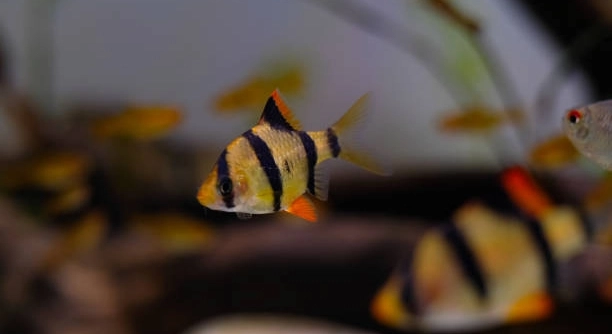
Have you ever set up a cozy fish tank only to wonder if it’s the right shape for your tiger barbs to thrive in?
Tiger barbs should not be kept in round tanks, as these tanks lack the swimming space and surface area needed for proper oxygen exchange. Rectangular tanks offer better water circulation and stability, supporting the active nature of tiger barbs.
Understanding how tank shape affects their movement, health, and social behavior can help you provide a safer, more suitable home.
Why Round Tanks Are Not Ideal for Tiger Barbs
Round tanks often limit the swimming space tiger barbs need. These active fish prefer darting back and forth in straight lines, which is hard to do in a circular tank. The lack of corners and straight sides also makes it difficult for them to establish territories or feel secure. In round tanks, the surface area is smaller compared to a rectangular tank of the same volume. That means there’s less oxygen exchange, which can lead to poor water quality. Equipment like filters and heaters also don’t fit as easily or work as efficiently in round tanks. This can create unstable conditions that stress your fish and make them prone to illness. Tiger barbs thrive when the environment is structured and consistent. A rectangular tank makes it easier to set up hiding spots, maintain steady water flow, and allow for natural behaviors. This keeps the fish active, social, and healthier over time.
Round tanks restrict swimming, reduce oxygen exchange, and make it harder to set up stable conditions. These factors affect the health of tiger barbs.
A rectangular tank supports the active lifestyle of tiger barbs better. It also gives you more flexibility to place equipment and decorations where they’ll actually help your fish thrive.
Choosing the Right Tank Size and Setup
Tiger barbs are very active and social. A tank that is too small can lead to aggression and stress, especially in a round setup.
When setting up a home for tiger barbs, the tank size and layout matter just as much as the shape. A rectangular tank that holds at least 20 gallons is a better choice for a small group. These fish prefer being in groups of six or more to avoid bullying and create a stable social dynamic. In a round tank, space is tighter, and the lack of angles makes it harder for weaker fish to escape from aggressive ones. Proper filtration is also key. Since tiger barbs are messy eaters, a good filter helps keep the water clean and clear. Plants and decorations should be arranged to create a few hiding places while still leaving open areas for swimming. Avoid overcrowding, as it reduces water quality and increases tension between fish. Keeping things simple and balanced in a rectangular tank supports their well-being long term.
Behavioral Issues in Round Tanks
Tiger barbs are fast swimmers that need space to release their energy. In round tanks, limited swimming room causes stress, which often leads to fin-nipping, aggression, and erratic behavior that worsens when they’re kept in small groups.
These fish are known for their semi-aggressive nature, and tank shape can influence that behavior. Round tanks limit movement and make it harder for them to avoid each other when tensions rise. Without enough horizontal space, they constantly bump into one another, which causes frustration. Fish at the bottom of the social hierarchy can’t find hiding spots, and this adds to their stress. Over time, the group becomes more unstable, and aggression increases. You might also see less natural schooling behavior. In contrast, rectangular tanks provide the structure they need to swim, rest, and form healthy group dynamics without constant confrontation.
Stress behaviors caused by round tanks often go unnoticed at first. But over time, the signs become clearer—fin damage, chasing, hiding, or a drop in activity levels. These issues affect both their health and how they interact with other fish. A rectangular tank helps reduce these behaviors and supports more balanced social interactions. It also allows you to set up more effective hiding places and territories.
How Tank Shape Affects Water Quality
Round tanks often have less surface area, which lowers oxygen exchange. With reduced oxygen, fish become sluggish and more prone to illness. Water movement is also harder to manage in a circular setup, making filtration less effective.
Water circulation plays a key role in keeping a tank clean and healthy. In rectangular tanks, filters can be positioned to create a smooth flow that pushes waste toward the intake. But round tanks cause the water to swirl unevenly, creating dead zones where waste collects and oxygen levels drop. This makes ammonia and nitrite levels rise quickly, stressing your tiger barbs and putting them at risk for disease. Filters and heaters also don’t fit flush against the curved sides, which limits their efficiency. You may find yourself cleaning more often or struggling to maintain a stable environment. Proper circulation, surface area, and equipment placement are easier to manage in rectangular tanks.
Maintenance Challenges with Round Tanks
Cleaning round tanks can be frustrating. The curved glass makes it harder to reach corners, and waste often settles in awkward spots. This makes routine cleaning more time-consuming and less effective.
Equipment also doesn’t sit properly in round tanks. Heaters, filters, and lights often tilt or leave gaps, reducing their efficiency.
Better Alternatives to Round Tanks
A rectangular tank is easier to maintain and provides a more stable home for tiger barbs. It allows for better placement of equipment and helps create consistent water movement. These tanks also make it simpler to set up zones for swimming, hiding, and feeding. You’ll find that routine tasks like gravel vacuuming, adjusting heaters, or changing filters are quicker and more effective in a rectangular shape. The added surface area supports oxygen exchange, while the straight sides help waste settle in spots that are easier to clean. This setup reduces the chances of hidden buildup that could harm your fish.
Final Thoughts on Tank Shape
Tank shape directly impacts your fish’s health, behavior, and the time you spend on care. A rectangular tank makes everything easier and safer.
FAQ
Can tiger barbs survive in a round tank?
Tiger barbs can survive in a round tank, but their health and behavior will likely suffer. The limited swimming space and poor water circulation make it difficult for them to thrive. Stress, aggression, and oxygen shortages are common issues in round tanks.
How many tiger barbs should I keep together?
Keeping at least six tiger barbs is recommended. They are schooling fish and need to be in groups to reduce aggression and promote natural social behavior. Smaller groups can lead to bullying and stress, especially in cramped spaces.
What is the minimum tank size for tiger barbs?
A minimum of 20 gallons is ideal for a small group of tiger barbs. This size allows enough swimming room and space for decorations or plants, which help create hiding spots and reduce stress.
Can I add other fish with tiger barbs in a round tank?
Adding other fish in a round tank with tiger barbs is generally not advisable. The limited space increases aggression, and other fish may become targets. If you want a community tank, a larger rectangular tank is a better choice.
Why do tiger barbs nip fins?
Fin-nipping is often a sign of stress, boredom, or overcrowding. In round tanks, restricted movement and social tensions make fin-nipping more common. Providing enough space and companions helps reduce this behavior.
How often should I clean a tank with tiger barbs?
Cleaning once a week is recommended, with partial water changes of 25-30%. Tiger barbs produce more waste than some other fish, so regular maintenance helps keep water quality high and reduces health problems.
Can decorations help reduce aggression in a round tank?
Decorations provide hiding places, which can help lower aggression. However, in round tanks, the limited space means these areas are less effective. Rectangular tanks allow better placement of plants and ornaments to break up territories.
Is oxygenation a big concern in round tanks?
Yes, round tanks usually have less surface area for oxygen exchange. This can lead to lower oxygen levels, stressing tiger barbs and making them more prone to illness. Adding an air stone or increasing water agitation can help but doesn’t fully solve the problem.
Are there specific filter types better for tiger barbs?
Filters that promote strong but gentle water flow are best. Hang-on-back filters or canister filters work well in rectangular tanks, helping keep water clean and oxygen-rich. In round tanks, positioning filters effectively is harder, which limits their efficiency.
What water parameters do tiger barbs prefer?
Tiger barbs thrive in water with a temperature of 74-79°F, pH between 6.0 and 7.5, and moderate hardness. Stable water parameters are important, so regular testing and adjustments are necessary.
Can I keep tiger barbs alone in a tank?
Tiger barbs should not be kept alone. They are social fish and need companions for mental and physical health. A single tiger barb will often become stressed and display unusual behaviors.
How important is tank shape compared to other factors?
Tank shape matters because it affects swimming space, oxygen levels, and fish behavior. While size and water quality are critical, the shape can either support or hinder these factors, especially for active fish like tiger barbs.
What should I do if I already have tiger barbs in a round tank?
If a round tank is your only option, keep the group small and maintain strict water quality through frequent cleaning and good filtration. Adding plants and decorations can help, but consider upgrading to a rectangular tank when possible.
Can lighting affect tiger barb behavior in round tanks?
Lighting influences fish activity. Bright, harsh lighting in a round tank can increase stress since the fish have fewer hiding spots. Using softer or adjustable lighting helps create a calmer environment.
Do tiger barbs need a lid on their tank?
Yes, tiger barbs are active swimmers and may jump out. A secure lid is necessary to prevent accidents, regardless of tank shape.
Is it hard to cycle a round tank?
Cycling any tank takes time, but round tanks can be harder to cycle because of less efficient filtration and water movement. Patience and testing water parameters carefully during the cycling process are important.
What plants work well with tiger barbs?
Hardy plants like Java fern, Anubias, and hornwort tolerate tiger barbs’ activity. Plants can provide cover and reduce stress but should be placed carefully in smaller tanks.
How do I reduce fin-nipping in tiger barbs?
Keep tiger barbs in groups of six or more, provide enough space, maintain water quality, and add hiding places. Avoid overcrowding and aggressive tank mates.
Can tiger barbs live with aggressive fish?
Tiger barbs are semi-aggressive themselves, so pairing them with highly aggressive fish can lead to fights. Choose peaceful or similarly active species to avoid stress.
Are round tanks cheaper?
Round tanks are often less expensive initially but may cost more in maintenance and fish health over time due to their disadvantages.
What is the best shape for a beginner keeping tiger barbs?
A rectangular tank is best. It offers space, better water circulation, and easier maintenance, making it simpler to care for tiger barbs successfully.
When it comes to keeping tiger barbs, the shape of the tank plays a significant role in their overall well-being. Round tanks may seem visually appealing, but they do not provide the ideal environment these active fish need. The limited swimming space and reduced surface area in round tanks make it difficult for tiger barbs to move freely and get enough oxygen. These conditions can lead to stress, which affects their behavior and health. Choosing a tank shape that supports their natural habits is essential for their long-term care.
Rectangular tanks offer many advantages over round ones for tiger barbs. They provide more space for swimming in straight lines, which suits the energetic nature of these fish. The increased surface area in rectangular tanks helps with better oxygen exchange, improving water quality and fish health. Additionally, the straight sides of rectangular tanks make it easier to set up filters, heaters, and decorations in ways that support stable water conditions and allow the fish to establish territories. This setup helps reduce aggression and promotes a more peaceful community.
In summary, investing in a rectangular tank will make caring for tiger barbs easier and more rewarding. It creates an environment where they can thrive, swim comfortably, and show natural behaviors. While round tanks may be tempting for their unique look, they are not practical for the needs of tiger barbs. Prioritizing tank shape, size, and proper maintenance will lead to healthier fish and a more enjoyable aquarium experience. Taking these steps shows consideration for the well-being of your tiger barbs and will help you build a thriving aquatic environment.

Hello,
If you enjoy the content that we create, please consider saying a "Thank You!" by leaving a tip.
Every little bit helps us continue crafting quality advice that supports the health, happiness, and well-being of pets around the world, for pets of all shapes, sizes, and species.
We really appreciate the kindness and support that you show us!