
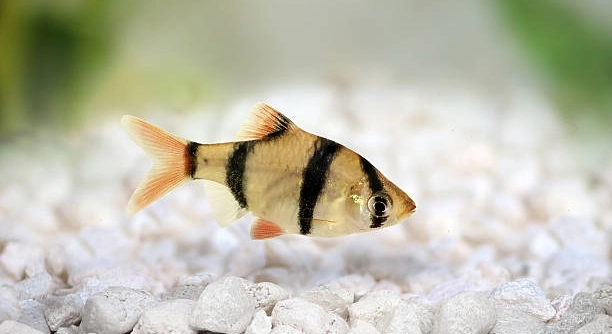
Driftwood is a popular choice for aquarium owners who keep barbs. It adds a natural touch to their habitat and supports a healthy environment. Many fishkeepers appreciate its unique qualities and benefits for their barbs.
Using driftwood for barbs provides multiple advantages, including improved water quality through natural tannins, offering hiding spots that reduce stress, supporting beneficial bacteria growth, and enhancing the overall aesthetic appeal of the aquarium environment.
These benefits make driftwood a valuable addition to barb tanks. Understanding how it supports your fish can improve their well-being and the tank’s balance.
Natural Water Conditioning
Driftwood releases tannins into the water, which slightly lowers the pH and softens the water. This creates a more natural and comfortable environment for barbs, as many species thrive in slightly acidic, soft water conditions. The tannins also act as mild antibacterial agents, helping to reduce harmful pathogens. Over time, the water may take on a gentle amber tint, which is completely safe for the fish and adds to the natural look of the tank. It’s important to soak or boil driftwood before adding it to your aquarium to avoid excess tannin release and to remove impurities. Proper preparation ensures the driftwood will improve water quality without causing sudden changes that could stress the fish. Many aquarists find that driftwood helps stabilize water parameters, leading to healthier, more vibrant barbs over the long term.
Driftwood gently adjusts water chemistry, creating a healthy environment for barbs. Proper preparation is essential to avoid rapid changes.
Using driftwood in a barb tank benefits water quality by releasing tannins that lower pH and soften water. This simulates the natural habitat of many barb species, helping them feel secure and less stressed. The slight antibacterial effect from tannins can reduce the growth of harmful bacteria. Soaking or boiling the wood beforehand is necessary to control tannin release and ensure cleanliness. Over time, the wood becomes a stable part of the tank, supporting a balanced aquatic environment. This natural conditioning supports the overall health and longevity of your fish, making driftwood an excellent choice for any barb aquarium setup.
Safe Hiding Spots
Driftwood provides safe places where barbs can hide.
Barbs are active and sometimes shy fish that benefit from places to retreat. Driftwood offers nooks and crannies, giving them a sense of security. These hiding spots reduce stress and promote natural behavior, like exploring and resting. Without enough shelter, barbs may become nervous or aggressive toward each other. Well-placed driftwood helps maintain peace in the tank and supports healthy social interaction among fish. This natural décor element encourages barbs to feel comfortable, which can lead to brighter colors and more activity. It also mimics their wild environment, making the aquarium more engaging for both fish and keeper. Using driftwood for shelter is a simple way to improve your barbs’ quality of life.
By providing natural hiding spaces, driftwood helps reduce stress and encourages positive behavior in barbs.
Encourages Beneficial Bacteria Growth
Driftwood offers a surface for beneficial bacteria to grow. These bacteria help break down waste, keeping the water cleaner and healthier for barbs.
The porous texture of driftwood creates an ideal environment for good bacteria to colonize. These bacteria play a crucial role in the nitrogen cycle by converting toxic ammonia and nitrites into less harmful nitrates. A healthy bacterial population reduces the risk of spikes in harmful substances that could stress or harm your fish. By supporting these bacteria, driftwood helps maintain stable water conditions, which is essential for the well-being of barbs and other aquatic life.
This natural support system provided by driftwood lowers the need for frequent water changes and chemical treatments. It contributes to a more balanced aquarium ecosystem, promoting longer-lasting health for your barbs.
Enhances Aquarium Aesthetics
Driftwood adds a natural and attractive element to barb tanks. It creates visual interest with unique shapes and textures.
Beyond its practical benefits, driftwood contributes significantly to the aquarium’s overall look. Its earthy tones and organic forms complement plants and rocks, helping to create a realistic underwater scene. This enhances the enjoyment of watching your barbs interact within their habitat. Driftwood can serve as a centerpiece or background feature, depending on how it’s arranged. Its natural appearance makes the aquarium feel more inviting and peaceful. The aesthetic improvement is especially noticeable in tanks with vibrant fish like barbs, where the wood’s contrast highlights their colors beautifully. Integrating driftwood creates a balanced and pleasing environment for both fish and observers.
Provides Natural Grazing Surfaces
Driftwood offers surfaces where algae and biofilm can grow. Barbs enjoy grazing on these natural food sources, which supports their diet and keeps them active.
This grazing behavior mimics what barbs do in the wild, helping them stay healthy and engaged.
Durable and Long-Lasting Decoration
Driftwood is a sturdy material that can last for years in an aquarium. It does not break down quickly, providing a lasting natural feature for your barb tank. Its durability means less frequent replacement and more stability in the tank’s setup.
Helps Reduce Stress
Barbs feel safer and less stressed when their environment includes driftwood. It creates shaded, quiet spots that reduce anxiety and promote calm behavior.
FAQ
How do I prepare driftwood before adding it to my barb tank?
Proper preparation is key to using driftwood safely in your aquarium. First, rinse the wood thoroughly under running water to remove any dirt or debris. Then, soak the driftwood in a large container of water for several days, changing the water daily to reduce excess tannins. Boiling the driftwood for 1–2 hours can also help sterilize it and speed up the tannin release. This prevents the water from turning too dark too quickly and removes unwanted organisms. Once the water stays clear and the driftwood sinks easily, it’s ready to be added to the tank.
Can driftwood affect my aquarium’s water color?
Yes, driftwood releases tannins that can slightly tint the water amber or tea-colored. This is a natural effect and generally safe for barbs. The tint can mimic natural river environments, making the fish feel more at home. If you prefer clearer water, frequent water changes or activated carbon filters can reduce the color. However, many aquarists find the slight coloration adds charm and a healthy feel to the tank.
Is all driftwood safe to use in barb tanks?
Not all driftwood is suitable for aquariums. Some types, especially from unknown sources, can release harmful substances or rot quickly. It’s best to use driftwood specifically sold for aquarium use, such as Malaysian driftwood or Mopani wood. Avoid wood that is soft, crumbly, or has signs of mold. Aquarium-safe driftwood is durable, sinks easily after preparation, and won’t rapidly degrade, ensuring a safe environment for your barbs.
How often should I clean or replace driftwood?
Driftwood generally does not need frequent cleaning or replacing. You can gently scrub it during routine tank maintenance if algae build-up becomes excessive. Avoid harsh chemicals or soaps. If the wood starts to break down or develops an unpleasant smell, it should be removed and replaced. Properly prepared and maintained driftwood can last several years without issue.
Will driftwood lower the pH too much for my barbs?
Driftwood releases tannins that slightly lower pH, usually by about 0.1 to 0.3 units, which is beneficial for many barb species. However, if your water is already very soft and acidic, driftwood may lower the pH more than desired. Monitoring water parameters regularly helps you avoid sudden drops. In such cases, partial water changes or buffering agents can maintain stable conditions. Driftwood typically contributes to a balanced pH rather than causing harmful fluctuations.
Can driftwood cause health problems for barbs?
When properly prepared, driftwood is safe and healthy for barbs. Problems usually arise from unprepared wood introducing toxins or sharp edges causing injuries. Ensuring the driftwood is smooth and free from splinters helps prevent harm. Driftwood’s benefits—such as stress reduction, water conditioning, and hiding spots—far outweigh risks if care is taken in its selection and preparation.
Does driftwood attract unwanted pests or algae?
Driftwood can sometimes encourage algae growth or harbor small pests like snails. While algae on driftwood provide grazing opportunities for barbs, excessive growth should be managed to avoid water quality issues. Snails may arrive with the wood, but quarantining and cleaning driftwood before adding it reduces this risk. Regular tank maintenance keeps these issues under control and maintains a healthy environment.
Can I use driftwood with live plants in a barb tank?
Driftwood works well with live plants, creating a natural and balanced aquarium. Many plants can attach to driftwood or benefit from the shaded areas it provides. The tannins released may slightly lower pH, which can be favorable for some aquatic plants. Combining driftwood and plants also enhances hiding spots and mimics natural barb habitats, promoting healthy fish behavior and aesthetics.
Driftwood is a valuable addition to any barb aquarium. It offers several benefits that support the health and well-being of the fish. From improving water quality by releasing natural tannins to providing safe hiding spots, driftwood creates a comfortable environment for barbs. Many hobbyists find that using driftwood helps their fish stay less stressed and more active. The natural look it adds also makes the tank more visually appealing. Overall, driftwood serves both practical and decorative purposes, making it a smart choice for barb tanks.
When choosing driftwood, it’s important to prepare it properly before adding it to the aquarium. Soaking or boiling the wood removes excess tannins and impurities, preventing sudden changes in water chemistry that could stress your barbs. It also helps the driftwood sink more easily. Using aquarium-safe driftwood ensures the material is durable and free from harmful substances. Once added, driftwood supports beneficial bacteria growth, which plays a key role in keeping the water clean and balanced. Maintaining the driftwood with gentle cleaning when needed helps keep the tank healthy over time.
In addition to its benefits for water and fish health, driftwood contributes to a natural and peaceful tank atmosphere. Barbs enjoy having places to hide and explore, and driftwood’s shapes and textures provide that. This encourages natural behaviors and helps reduce aggression. The subtle color tint from tannins gives the water a natural look that many aquarists appreciate. Though driftwood requires some care and preparation, the advantages it brings to barb tanks make it worth the effort. Including driftwood can improve the overall aquarium experience for both the fish and the keeper.

Hello,
If you enjoy the content that we create, please consider saying a "Thank You!" by leaving a tip.
Every little bit helps us continue crafting quality advice that supports the health, happiness, and well-being of pets around the world, for pets of all shapes, sizes, and species.
We really appreciate the kindness and support that you show us!