
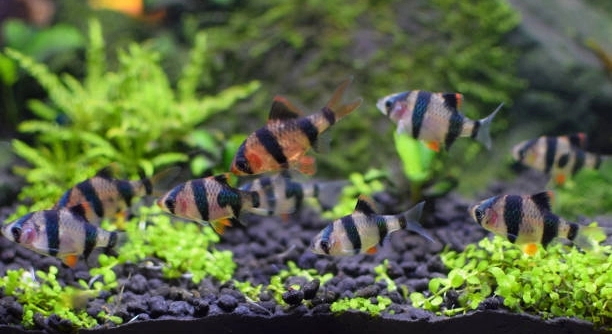
Tiger barbs are popular aquarium fish known for their lively behavior and striking colors. Many fish keepers enjoy watching them swim actively in home tanks. Proper feeding is important to keep them healthy and happy.
Overfeeding tiger barbs can lead to serious health problems such as obesity, digestive issues, and water quality deterioration. Excess food may cause bloating, swim bladder disorders, and increase the risk of bacterial infections, ultimately shortening their lifespan.
Knowing the effects of overeating helps maintain a balanced diet for your tiger barbs. This article will explain what happens when these fish get too much food and how to avoid common problems.
Causes of Overeating in Tiger Barbs
Tiger barbs may overeat for several reasons, often linked to their environment and feeding routine. In many home aquariums, fish are fed too frequently or given too much food at once. This can be because owners want to ensure their fish are well-fed but end up offering more than necessary. Another cause is stress or competition among tank mates. When multiple fish are competing for food, tiger barbs may eat faster or more than they need to avoid missing out. Sometimes, boredom can also lead fish to eat more, especially if their tank lacks stimulation or hiding spots. It’s important to control portions and observe feeding habits to prevent overeating and keep the fish healthy.
Overfeeding not only harms the tiger barbs but also affects the entire tank’s environment. Uneaten food can decay and pollute the water.
Maintaining a regular feeding schedule and providing only the right amount of food can reduce overeating risks. Observing your tiger barbs closely during feeding times will help you notice if they are eating too much or too fast. This awareness makes it easier to adjust feeding habits early on. Also, enriching the tank with plants or decorations can reduce boredom and lessen the urge to overeat.
Signs Your Tiger Barbs Are Overeating
Overeating in tiger barbs shows up in several clear ways. You might notice bloating or a swollen belly, which indicates they have eaten too much or have digestive problems. Slower swimming or lethargy can also be a sign because their bodies are struggling to process extra food. Sometimes, you may see leftover food in the tank, signaling that fish were fed more than they could eat. Another common issue is poor water quality, caused by decomposing food, which can lead to increased ammonia or nitrate levels harmful to the fish.
When you spot these signs, it’s important to take action quickly. Reducing feeding amounts and improving tank maintenance can help the fish recover and prevent long-term damage.
If your tiger barbs are showing signs of overeating, adjusting their diet is key to restoring their health. Cutting back on food and feeding smaller amounts more frequently can ease their digestion. Regular water changes and cleaning the tank will remove excess waste and improve water quality. Sometimes, providing a varied diet with high-quality flakes or pellets helps balance their nutrition. Avoid feeding too many treats or live foods that may tempt them to eat excessively. Taking these steps early can prevent serious health issues and keep your fish active and vibrant. Monitoring their behavior and physical condition regularly allows you to maintain a healthy environment for your tiger barbs.
Effects of Overeating on Tiger Barbs
Overeating leads to health problems such as bloating, swim bladder issues, and fatty liver disease. These conditions reduce the fish’s ability to swim and survive. Overfed tiger barbs also become less active and may show signs of stress or illness more quickly.
The digestive system of tiger barbs is not designed to handle excessive food. When they eat too much, their stomachs swell and can press against other organs, causing discomfort and difficulty in swimming. Over time, the excess fat builds up in their liver, impairing its function. This weakens their immune system and makes them more prone to infections and diseases. In some cases, severe bloating can even lead to death if not managed.
Poor water quality from leftover food worsens the problem. Ammonia and nitrite levels rise, stressing all tank inhabitants. This creates a cycle where fish become weaker and more susceptible to health issues. Regular monitoring and feeding control are essential to break this cycle and ensure tiger barbs stay healthy and lively.
Preventing Overeating in Tiger Barbs
Controlling portion size and feeding frequency is crucial to prevent overeating. Feeding small amounts two to three times daily helps tiger barbs eat properly without excess. Avoid free feeding or leaving food in the tank for too long.
Using sinking pellets or flakes designed for small, active fish ensures tiger barbs get the right nutrition. Observe feeding behavior to adjust portions if needed. Providing a well-planted tank with hiding spots reduces stress and boredom, lowering the urge to overeat. Maintaining a clean tank with regular water changes keeps the environment stable and healthy, which supports good feeding habits. A consistent routine helps tiger barbs develop a balanced appetite and prevents common health issues linked to overeating.
How to Adjust Feeding Habits
Start by reducing the amount of food you give during each feeding. Smaller, more frequent meals help tiger barbs digest better and prevent leftover food in the tank.
Watch how quickly they eat and stop feeding once all food is gone. Avoid overfeeding by sticking to a strict schedule and not adding extra treats.
Importance of Tank Maintenance
Regular cleaning removes uneaten food and waste, keeping water parameters safe for tiger barbs. Healthy water reduces stress and supports their immune system.
Maintaining good water quality prevents problems caused by overeating and helps keep fish active and healthy over time.
Signs of Recovery
When tiger barbs stop overeating, their bloating decreases and swimming improves. They become more energetic and responsive.
Clearer water and fewer leftover foods also show that feeding habits and tank conditions are getting better.
When to Seek Help
If signs of illness persist despite changes, consult an aquatic veterinarian or experienced fish keeper. Early intervention can save your fish’s health.
FAQ
How much should I feed my tiger barbs each day?
Feeding tiger barbs small amounts two to three times a day is ideal. Give only what they can eat within two to three minutes. Overfeeding can cause health problems and water quality issues. Observing their behavior during feeding helps you adjust portions properly.
Can tiger barbs eat too little?
Yes, underfeeding can weaken their immune system and slow growth. It’s important to provide enough food but not too much. A balanced feeding routine supports their health and energy. Make sure the food is nutritious and suitable for their diet.
What foods are best for tiger barbs?
High-quality flakes or pellets designed for tropical fish are a good staple. You can also offer occasional treats like frozen or live foods, including brine shrimp or bloodworms. Variety supports good nutrition but avoid overfeeding treats, which can lead to overeating.
How can I tell if my tiger barbs are stressed?
Signs of stress include hiding, loss of appetite, erratic swimming, or fading color. Overfeeding can contribute to stress by polluting the water and causing health issues. Maintaining a clean tank and proper feeding helps reduce stress.
Is it normal for tiger barbs to compete for food?
Yes, tiger barbs are active and sometimes aggressive feeders. This can cause them to eat quickly or overeat. Feeding smaller amounts multiple times and spreading food around the tank reduces competition and helps all fish eat enough.
What happens if I accidentally overfeed my tiger barbs once?
A single incident is unlikely to cause major problems, but frequent overfeeding is dangerous. Remove any leftover food quickly and monitor water quality. Return to a proper feeding schedule to keep fish healthy.
How often should I clean my tank to prevent issues from overeating?
Regular water changes of 20-30% once a week help keep the tank clean. Remove uneaten food and debris during these cleanings. Good maintenance prevents toxic buildup caused by excess food and waste.
Can overeating cause diseases in tiger barbs?
Yes, overeating can weaken their immune system and cause conditions like swim bladder disorder and fatty liver disease. Poor water quality from leftover food also increases the risk of infections. Proper feeding and tank care reduce these risks.
Are there specific signs of swim bladder issues in tiger barbs?
Swim bladder problems may show as difficulty swimming, floating upside down, or sinking to the bottom. Overeating is a common cause. Adjusting diet and feeding habits often helps improve this condition.
What should I do if my tiger barb is bloated?
Reduce feeding amounts and avoid rich foods temporarily. Perform regular water changes to improve water quality. If bloating continues, consider consulting an expert for advice on treatment or dietary adjustments.
Can tank mates influence tiger barbs’ eating habits?
Yes, aggressive or fast-eating tank mates can cause tiger barbs to eat quickly or overeat. Choose compatible species and feed carefully to ensure all fish get enough without overeating.
Is fasting tiger barbs beneficial?
Occasional fasting, like skipping one feeding a week, can help clear their digestive system and prevent overeating effects. However, fasting should be done carefully and not too often to avoid underfeeding.
How do I encourage healthy eating behavior in tiger barbs?
Feed consistent portions, keep a regular schedule, and avoid distractions during feeding times. Providing a stimulating tank environment reduces stress and boredom, which helps regulate their appetite naturally.
What role does tank size play in feeding and overeating?
Smaller tanks can lead to faster water quality problems if overfeeding occurs. Larger tanks dilute waste better but still require controlled feeding. Proper tank size and maintenance together support healthy feeding habits.
Can I use feeding tools to control portions?
Yes, using feeding rings, tongs, or small scoops helps measure food accurately and prevent overfeeding. These tools assist in delivering food precisely and reduce waste in the tank.
This FAQ covers common concerns about tiger barbs and overeating. Following these guidelines helps maintain their health and a balanced aquarium environment.
Overfeeding tiger barbs can lead to many problems that affect their health and the quality of the aquarium environment. When these fish eat too much, their bodies struggle to process the extra food, which can cause bloating, digestive problems, and even swim bladder disorders. These health issues make it hard for the fish to swim properly and can shorten their lifespan. Beyond the individual fish, leftover food that is not eaten can pollute the water, increasing harmful chemicals like ammonia and nitrites. This creates stress and illness for all the fish in the tank. Keeping the right feeding balance is essential for both the well-being of tiger barbs and the cleanliness of their home.
It is important to understand how much and how often to feed tiger barbs. Feeding small portions two to three times daily is best, giving only what they can finish in a few minutes. This helps prevent leftover food and reduces the risk of overeating. Watching your fish during feeding can give clues about whether they are eating too much or too little. Overfeeding and underfeeding both have risks, so it is important to find the right balance. Providing a varied diet with quality flakes, pellets, and occasional treats supports their health. Also, a well-maintained tank with clean water and enough hiding spots helps keep tiger barbs stress-free, which lowers their tendency to overeat.
In the end, a good feeding routine combined with proper tank care keeps tiger barbs healthy and active. Regular water changes and cleaning help maintain water quality, while controlled feeding reduces health problems. If you notice signs like bloating or sluggish swimming, adjusting feeding habits quickly can make a big difference. Sometimes, consulting a fish expert is necessary if problems continue. Paying attention to these details shows care for your fish and helps create a stable environment where tiger barbs can thrive. Following simple steps makes it easier to enjoy watching these lively fish for a long time.

Hello,
If you enjoy the content that we create, please consider saying a "Thank You!" by leaving a tip.
Every little bit helps us continue crafting quality advice that supports the health, happiness, and well-being of pets around the world, for pets of all shapes, sizes, and species.
We really appreciate the kindness and support that you show us!