
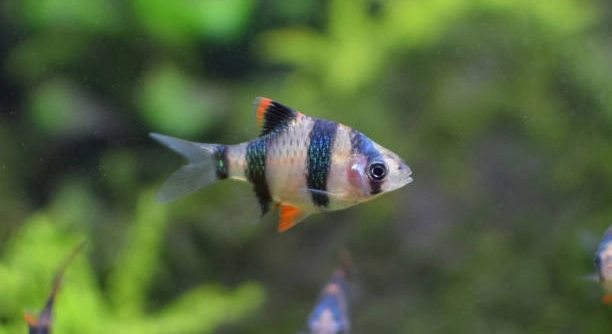
Tiger Barbs are known for their lively nature and vibrant colors, but they can also be quite territorial in home aquariums. Their behavior often surprises new fish keepers who expect peaceful community fish. Understanding why they act this way helps improve their care.
Tiger Barbs display territorial behavior primarily due to their natural instincts for establishing dominance and protecting resources like food and space. Their aggressive tendencies are linked to their social hierarchy, environmental stressors, and the size of their tank.
Learning about these causes can help you manage your Tiger Barbs better and create a more harmonious aquarium environment.
Natural Instincts Behind Territorial Behavior
Tiger Barbs come from fast-flowing streams in Southeast Asia, where competition for food and space is fierce. This environment shaped their natural instinct to be territorial. In an aquarium, these instincts don’t disappear. When they sense limited space or resources, their aggressive side shows up as they compete to assert dominance. This behavior is part of how they communicate and organize their social group. It may seem stressful, but it helps maintain order within the group. They often chase or nip at other fish to remind them who is in charge. Without enough hiding spots or swimming space, their territorial nature becomes more obvious. This is why a crowded or bare tank increases their aggression. Understanding this helps in setting up the right environment to reduce conflicts and keep the fish calmer.
Providing ample plants and decorations allows Tiger Barbs to claim territories and reduces direct confrontations.
Setting up the tank with clear boundaries and plenty of hiding places helps balance their territorial needs. This way, the fish feel secure and less stressed. Proper space and structure make it easier for Tiger Barbs to establish their places without constant fighting. They will still show some aggression, but it will be less intense and damaging. This setup also benefits other fish by minimizing stress. Observing how they use the space helps in adjusting the layout over time for better harmony. Proper tank management is key to keeping these fish healthy and more peaceful.
Social Hierarchy and Group Dynamics
Tiger Barbs thrive in groups but need enough space to establish their social order. In small groups or tight spaces, aggression tends to rise as they struggle to find their rank. However, in larger groups, the aggression is spread out and less targeted. They often use nipping as a way to test and maintain their positions. This social structure helps keep the group stable when the environment supports it. Group size and composition affect how territorial they become, and balancing these factors can reduce stress. Observing their interactions gives clues on when adjustments are needed to maintain peace.
Environmental Stress and Its Impact
Changes in water quality or temperature can make Tiger Barbs more defensive and aggressive. Stress from poor conditions causes them to protect their space more fiercely.
Maintaining stable water parameters is crucial for Tiger Barbs to feel safe. Fluctuations in temperature, pH, or cleanliness can trigger stress responses, leading to increased territorial behavior. When the environment is unstable, their natural defense mechanisms kick in, causing more frequent chasing and nipping. Regular water testing and consistent tank maintenance reduce stress and help keep aggression at a manageable level.
Adding stress-relieving elements like plants, hiding spots, and gentle water flow can also calm their behavior. When Tiger Barbs feel secure in their environment, they are less likely to react aggressively. Proper care not only improves their mood but also supports their overall health and longevity in the aquarium.
Tank Size and Space Management
Tiger Barbs need enough room to swim and claim territories without constant competition. A cramped tank intensifies their aggression.
A tank that is too small limits the space each Tiger Barb can call their own, causing them to become more territorial and aggressive. Providing a larger tank with at least 30 gallons for a small group allows them room to spread out. More swimming space helps reduce conflicts because fish are less likely to feel threatened or crowded. When space is restricted, their instincts push them to defend what little area they have.
Along with size, the layout of the tank plays a role. Plants, rocks, and decorations create visual barriers and hiding spots. These features break up the space and let each fish establish a separate area. A well-structured tank supports their natural behavior and helps keep the peace among Tiger Barbs.
Importance of Group Size
Keeping Tiger Barbs in groups of at least six reduces their aggression. Larger groups spread out territorial behavior, preventing constant targeting.
Small groups cause higher stress and fighting, as fish compete more intensely for dominance. A bigger group balances social roles and lessens bullying, making the tank calmer overall.
Feeding Competition
Uneven feeding routines can increase aggression. When food is scarce or given inconsistently, Tiger Barbs become more territorial around feeding spots.
Behavior During Breeding
During breeding periods, Tiger Barbs become especially territorial. Males guard their chosen areas more aggressively to protect eggs and mates.
Signs of Excessive Aggression
Excessive chasing, fin nipping, and stress signs on fish indicate too much territorial behavior. Immediate adjustments to tank conditions are needed.
FAQ
Why are Tiger Barbs so aggressive toward other fish?
Tiger Barbs have a natural instinct to establish dominance within their group. Their aggressive behavior helps maintain social order by creating a hierarchy. This can lead to chasing and nipping, especially toward slower or long-finned fish, who may be seen as easy targets or competition.
How many Tiger Barbs should I keep together to reduce aggression?
Keeping at least six Tiger Barbs together helps spread aggression across the group. Smaller groups increase stress and fighting because each fish faces more frequent challenges. A group of six or more balances social dynamics and reduces bullying within the tank.
Can tank size affect Tiger Barbs’ territorial behavior?
Yes, tank size is important. A larger tank with plenty of swimming space helps reduce territorial disputes. Crowded or small tanks make it harder for fish to avoid each other, leading to more frequent aggressive encounters. Providing at least 30 gallons for a small group is ideal.
What tank setup helps reduce aggression?
Using plants, rocks, and decorations to create hiding spots and visual barriers helps. These features let Tiger Barbs establish their own areas and avoid constant face-offs. A well-structured tank reduces stress and helps keep the group peaceful.
Does feeding affect aggression in Tiger Barbs?
Yes, feeding routines impact behavior. Uneven feeding or scarce food causes competition, making fish more territorial around feeding spots. Feeding small amounts multiple times a day helps keep all fish satisfied and less aggressive.
Do Tiger Barbs become more territorial during breeding?
During breeding, males become especially protective of their chosen areas. They guard eggs and mates aggressively, which increases territorial behavior. This is normal but can heighten stress for other fish.
How can I tell if aggression is too much?
Signs include constant chasing, fin damage, and stressed or hiding fish. If aggression is causing physical harm or stress, changes are needed. Increasing tank size, adding more hiding spots, or adjusting group size can help calm the fish.
Can Tiger Barbs live peacefully with other species?
Tiger Barbs can coexist with other species but choosing tank mates carefully is essential. Avoid slow-moving or long-finned fish, as Tiger Barbs may nip at them. Fast, similarly sized, or robust fish usually do better with Tiger Barbs.
What should I do if aggression gets out of control?
If aggression is severe, consider adding more Tiger Barbs to spread aggression or rearranging the tank to disrupt established territories. In extreme cases, separating aggressive fish temporarily or permanently might be necessary.
Is there a way to train or reduce aggression in Tiger Barbs?
Aggression is natural and mostly instinctual, so training isn’t effective. Instead, focus on managing the environment—proper tank size, group numbers, hiding spots, and feeding routines—to minimize aggressive triggers and keep the fish balanced.
Tiger Barbs are naturally territorial fish, shaped by their environment and instincts. Their behavior is influenced by several key factors such as tank size, group dynamics, and environmental conditions. Understanding these factors helps in managing their aggression and creating a more peaceful aquarium. While they may show territorial behavior, this is part of their way of organizing social order and protecting their space. Accepting this behavior as natural allows for better care and a healthier fish community.
Providing a proper environment is essential to reducing territorial disputes. A spacious tank with at least 30 gallons for a small group helps give each fish enough room to swim and establish its own territory. Adding plants, rocks, and other decorations also creates natural barriers and hiding spots, which break up the tank space and reduce direct confrontations. Grouping Tiger Barbs in numbers of six or more balances their social structure and spreads out aggression, preventing any single fish from being overly targeted.
Maintaining stable water conditions and a consistent feeding routine also plays a major role in keeping Tiger Barbs calm. Stress from poor water quality or irregular feeding can increase their aggressive tendencies. Regular water testing, tank cleaning, and feeding small amounts several times a day reduce stress and support their overall health. Although their territorial nature cannot be completely stopped, thoughtful tank management and attention to their needs can make a noticeable difference. This creates a more balanced environment where Tiger Barbs can thrive alongside their tank mates.

Hello,
If you enjoy the content that we create, please consider saying a "Thank You!" by leaving a tip.
Every little bit helps us continue crafting quality advice that supports the health, happiness, and well-being of pets around the world, for pets of all shapes, sizes, and species.
We really appreciate the kindness and support that you show us!