
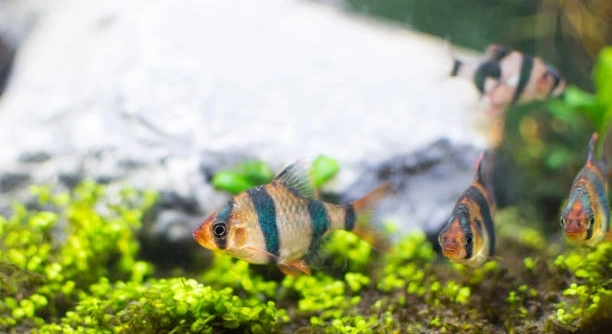
New tiger barbs are a popular choice for many aquarium enthusiasts. Introducing them to your tank requires careful steps to protect both the new fish and your existing aquatic environment. Proper quarantine helps maintain the health of all your fish.
Quarantining new tiger barbs is essential to prevent the introduction of diseases, reduce stress, and monitor their behavior before mixing them with established fish. This process helps protect the entire aquarium ecosystem and promotes a healthier, stable environment.
Taking time to quarantine your tiger barbs can save you from future problems and ensure a smooth transition for your fish into their new home.
Preventing Disease Spread
When introducing new tiger barbs to your aquarium, quarantining helps prevent diseases from spreading to your current fish. New fish can carry parasites or infections that aren’t visible right away. By keeping them separate for a few weeks, you can observe any signs of illness before they mix with your established fish. This step is especially important because diseases can spread quickly in a tank and cause serious harm. Quarantine tanks provide a controlled environment where you can treat sick fish without risking your whole collection. It also reduces the stress on the new fish as they adjust to the water conditions gradually. This extra care protects both your new and existing fish, ensuring everyone stays healthy.
Quarantine tanks help isolate and identify potential health risks early, reducing the chance of illness spreading through your main tank.
Taking the time to quarantine your tiger barbs is a simple but effective way to protect your aquarium’s health. A quarantine tank should have similar water conditions to your main tank to avoid shocking the fish. During quarantine, monitor water quality, temperature, and fish behavior daily. Use this period to treat any diseases if they appear and make sure the fish are eating well. Once the new tiger barbs show no signs of stress or sickness for at least two weeks, they can be safely introduced to your main tank. This precaution minimizes surprises and helps maintain a balanced aquarium environment where all fish thrive.
Reducing Stress in New Fish
Quarantine helps reduce the stress new tiger barbs experience from sudden changes in their environment. Stress weakens their immune system and can make them more vulnerable to illness.
Keeping new fish in a quiet, controlled space gives them time to adapt to water parameters and recover from transportation. It prevents aggressive interactions with established fish. During this time, they can eat properly and rest without competition. Reducing stress improves their overall health and chances of survival. It also allows you to observe their behavior closely for any signs of illness or distress.
Introducing fish gradually after quarantine leads to a calmer tank. This thoughtful approach encourages peaceful coexistence and long-term wellbeing for your tiger barbs and other aquatic residents.
Monitoring Behavior Closely
Quarantine tanks allow you to watch new tiger barbs closely for unusual behavior. Early signs of stress or illness can be caught before they affect your main tank.
Observing behavior in quarantine helps identify problems like lethargy, loss of appetite, or unusual swimming patterns. These signs often appear before visible symptoms of disease. If you notice any issues, you can isolate the affected fish and begin treatment immediately. This early intervention can prevent more serious outbreaks once the fish join the community tank. Behavior monitoring also helps ensure the fish are adjusting well to the water and diet, making their eventual introduction smoother.
Close attention during quarantine helps prevent surprises after introducing new tiger barbs. It ensures they are healthy and ready to join your main aquarium without causing problems.
Protecting Established Fish
Quarantine protects your existing fish population from potential harm. Introducing new fish without quarantine risks exposing your whole tank to unknown illnesses or parasites.
By isolating new tiger barbs first, you reduce the chance of spreading infections to healthy fish. Established fish may have developed immunity or resistance, but new arrivals can upset this balance. Quarantine gives you time to treat any hidden health problems before mixing fish. This step also prevents stress caused by sudden changes in the tank’s social dynamics. Maintaining a stable and healthy environment is easier when you carefully introduce new fish after quarantine. It safeguards the time and effort you’ve invested in caring for your aquarium.
Using quarantine as a precaution protects your tank’s stability and promotes the well-being of all aquatic life.
Easier Observation of Health Issues
Quarantine makes it easier to spot health problems early. New fish are in a controlled space, so changes in appearance or behavior stand out quickly.
Early detection means you can treat illnesses before they worsen. This helps avoid costly and stressful outbreaks in your main tank.
Controlled Environment for Treatment
In quarantine, you can treat new tiger barbs without affecting other fish. This separation allows precise medication and care for any sickness that arises.
Avoiding Aggression in the Main Tank
New tiger barbs can cause aggression when introduced suddenly. Quarantine reduces this risk by allowing a gradual introduction.
Supporting Adaptation
Quarantine gives new fish time to adapt to water conditions and diet before joining the community tank. This improves their survival chances.
FAQ
How long should I quarantine new tiger barbs?
Quarantine for at least two to four weeks is recommended. This period allows enough time to observe any signs of illness and ensure the fish have adjusted well to the new environment. Rushing this step can introduce hidden diseases into your main tank.
Can I use the same water from my main tank for quarantine?
It’s best to use water with similar parameters but not directly from the main tank. Using aged, treated water with matching temperature, pH, and hardness helps reduce stress without risking contamination. Regular water changes keep conditions stable in quarantine.
What symptoms should I watch for during quarantine?
Look for changes in behavior like lethargy, loss of appetite, rapid breathing, or erratic swimming. Physical signs such as spots, discoloration, frayed fins, or bloating also indicate health problems. Early detection during quarantine allows quicker treatment.
Is medication necessary during quarantine?
Medication isn’t always required but can be helpful if you notice signs of disease. Prophylactic treatments like anti-parasitic dips may prevent common infections. Always follow dosage instructions and avoid overuse to protect beneficial bacteria in your tank.
Can I quarantine multiple tiger barbs together?
Yes, it’s fine to quarantine a small group together as long as the tank is large enough and water quality is maintained. Keep an eye on them for aggressive behavior or stress, as crowding can increase risks. Separate any sick fish immediately.
What equipment do I need for a quarantine tank?
A simple setup with a filter, heater, and hiding places is sufficient. Avoid adding substrate to reduce debris buildup. Good aeration and stable water parameters are important. Using a bare-bottom tank makes cleaning easier during quarantine.
How do I introduce quarantined tiger barbs to my main tank?
Before introducing them, acclimate the fish slowly to the main tank’s water conditions by floating the quarantine bag or using drip acclimation over an hour. Release them gently to minimize stress and avoid sudden changes that could shock the fish.
Can quarantine reduce fish mortality?
Yes, quarantining new tiger barbs significantly lowers the risk of illness and death by allowing time for recovery and treatment. This step helps ensure only healthy fish join your main tank, improving overall survival rates.
What if a quarantined fish gets sick?
Isolate the sick fish if possible and start treatment immediately. Use targeted medication based on symptoms and consult reliable sources or a vet if unsure. Quarantine tanks allow quick action without risking the health of your entire aquarium.
Is quarantine stressful for new fish?
Initially, quarantine may cause mild stress, but it reduces long-term stress by offering a calm, controlled environment away from aggressive tankmates. Providing hiding spots and stable water helps fish feel secure during this adjustment period.
Can I skip quarantine if the new tiger barbs look healthy?
Skipping quarantine is risky because some diseases are not immediately visible. Quarantine protects your whole tank from hidden threats and helps avoid costly problems. It’s a small time investment that pays off with healthier fish.
How often should I clean a quarantine tank?
Perform partial water changes every few days and remove uneaten food to maintain water quality. Avoid deep cleaning that disrupts beneficial bacteria. Keeping the quarantine tank clean supports fish health and speeds recovery if treatment is needed.
Quarantining new tiger barbs is an important step that helps keep your aquarium healthy and balanced. It provides a safe space where you can watch the fish closely for any signs of illness or stress before they join your main tank. This process prevents the spread of diseases that might be carried by new fish but not immediately visible. Taking time to quarantine also gives the fish a chance to adapt to new water conditions gradually. Overall, quarantine is a simple but effective way to protect both new and established fish.
During quarantine, you can monitor your tiger barbs’ behavior and health more easily. You will notice if they show signs of sickness like changes in swimming, appetite, or appearance. If problems arise, you can treat them in isolation without risking your entire aquarium. Quarantine tanks are usually set up with basic equipment, making it easy to maintain clean water and proper conditions. This controlled environment reduces stress on the fish, helping them recover from transportation and adjust smoothly.
While quarantine requires extra effort and time, it helps avoid larger problems later. Skipping this step can lead to unexpected outbreaks of disease or aggressive behavior in your main tank. By quarantining, you protect the investment of care you’ve already made in your aquarium. It also improves the chances that your new tiger barbs will thrive in their new home. In the end, quarantine is a worthwhile practice that supports the long-term health and happiness of your fish.

Hello,
If you enjoy the content that we create, please consider saying a "Thank You!" by leaving a tip.
Every little bit helps us continue crafting quality advice that supports the health, happiness, and well-being of pets around the world, for pets of all shapes, sizes, and species.
We really appreciate the kindness and support that you show us!