
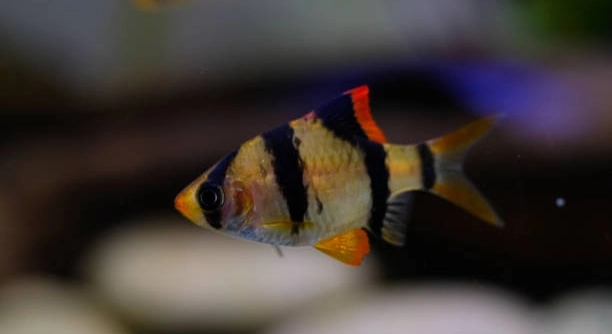
Tiger barbs are popular aquarium fish admired for their vibrant colors and lively behavior. However, many owners notice their fins becoming ragged or shredded over time. Understanding why this happens is important for keeping these fish healthy and looking their best.
Tiger barb fins shred primarily due to fin rot caused by bacterial or fungal infections, poor water quality, or physical damage from tank mates or environmental factors. Stress and inadequate nutrition can also contribute to fin deterioration in these fish.
Recognizing the causes of fin shredding can help you take effective steps to protect your tiger barbs and maintain a healthy aquarium environment.
Causes of Fin Damage in Tiger Barbs
Tiger barbs often suffer fin damage from several common causes. Poor water quality is one of the biggest factors. Ammonia, nitrite, and nitrate levels that are too high can weaken their fins and immune systems. Physical injury is another major reason. These fish can be quite active and sometimes nip at each other, causing fin tears. Aggressive tank mates may also contribute to fin shredding. Bacterial and fungal infections can develop quickly in damaged fins if not treated. Stress from overcrowding or sudden changes in water parameters makes tiger barbs more vulnerable to fin problems. Providing clean water, enough space, and compatible tank mates helps reduce the risk. It’s important to monitor your tank regularly and address any signs of fin wear before infections set in.
Poor water conditions and physical damage are the main factors that lead to fin shredding in tiger barbs.
Maintaining proper tank conditions includes frequent water testing and changes. Avoid overcrowding to reduce stress and aggression. Keep an eye on how your fish interact and intervene if nipping or fighting occurs. Healthy fins are a sign of overall well-being, so attention to these details ensures your tiger barbs stay vibrant and active.
Treating and Preventing Fin Rot
Preventing fin rot starts with good tank maintenance. Regular water changes and filtration keep the water clean and free from harmful bacteria. Avoid overcrowding to reduce stress and aggression, which contribute to fin damage. If you notice shredded fins, quarantine affected fish and use antibacterial or antifungal treatments recommended for fin rot. Nutrition plays a role, too; feeding a balanced diet strengthens fish immunity. Monitoring water parameters like pH, ammonia, and nitrate helps catch problems early. Preventative care involves keeping the environment stable and stress-free for your tiger barbs.
Treating fin rot early can stop it from spreading and help fins heal faster.
When treating fin rot, isolate affected fish to prevent spreading the infection to others. Use medicated treatments following the instructions carefully, as overdosing can harm the fish. Clean the tank thoroughly to remove bacteria buildup. During treatment, maintain excellent water quality and avoid adding new fish until recovery is complete. Feeding high-quality food supports the fish’s immune system and promotes faster fin regeneration. Regular observation after treatment helps ensure that the condition does not return. Preventing fin rot relies heavily on good tank hygiene and stress reduction strategies. Being proactive protects your tiger barbs from serious health issues and keeps your aquarium looking its best.
Water Quality and Its Impact
Poor water quality causes stress and weakens tiger barbs’ fins. High ammonia or nitrite levels damage fin tissue quickly. Regular testing is essential.
Maintaining good water quality means checking pH, ammonia, nitrite, and nitrate levels frequently. Sudden changes in water parameters can shock your fish and cause fin damage. Keeping stable, clean water reduces the risk of infections and helps your tiger barbs stay healthy. A good filtration system and regular water changes keep toxins low and oxygen levels high.
If water quality is poor, fish become more susceptible to fin rot and other diseases. Cleaning the tank regularly and avoiding overfeeding prevent waste buildup. Using water conditioners to remove chlorine and chloramine makes tap water safe. Clean water supports healing and prevents fin shredding caused by environmental stressors.
Aggression and Fin Damage
Tiger barbs are known to nip fins, which can cause shredding. Aggression usually increases in crowded tanks or with incompatible species.
Aggressive behavior damages fins and stresses fish. Keeping enough space and choosing peaceful tank mates helps minimize aggression. Avoid overcrowding and provide plenty of hiding spots to reduce tension among fish. Sometimes aggression is seasonal or related to breeding behavior, so monitoring interactions is key.
Aggression can worsen fin damage caused by infection or poor water. Controlling fish numbers and monitoring behavior protects the fins from tearing. Using dividers or separate tanks for aggressive fish can prevent injury and maintain harmony in your aquarium.
Nutrition and Fin Health
A balanced diet supports fin strength and overall health. Poor nutrition weakens fins and slows healing. Feeding quality food is essential.
Vitamins and minerals in fish food help maintain strong fin tissue. Avoid overfeeding to prevent water quality issues. Supplement with occasional live or frozen foods for variety and extra nutrients.
Recognizing Early Signs of Fin Damage
Early signs include small tears, discoloration, or fraying edges. Prompt attention can prevent worsening.
Watch for changes in swimming behavior or excessive rubbing against decorations. Early treatment improves recovery and limits infection spread.
Common Tankmates That Cause Fin Damage
Some fish nip fins more than others, especially fast or territorial species. Tiger barbs do best with peaceful, non-aggressive companions.
Choosing compatible tankmates reduces stress and fin injuries. Avoid keeping tiger barbs with fish known for fin nipping or aggression.
Environmental Factors Affecting Fins
Sharp decorations or rough surfaces can physically damage fins. Smooth, safe tank setups help protect fish.
Removing hazards from the tank lowers the risk of accidental fin tears and keeps your tiger barbs comfortable and injury-free.
FAQ
What are the most common reasons tiger barb fins shred?
The most common reasons include fin rot caused by bacterial or fungal infections, poor water quality, fin nipping from tank mates, and physical damage from sharp decorations. Stress and poor nutrition also play a role by weakening the fish’s immune system.
How can I improve water quality to protect my tiger barbs’ fins?
Regular water changes, usually 25% weekly, help keep ammonia, nitrite, and nitrate levels low. Use a reliable test kit to monitor water parameters and maintain a stable pH. Proper filtration and avoiding overcrowding also keep the environment healthy.
Can aggressive behavior be controlled to prevent fin damage?
Yes. Providing enough space, choosing peaceful tank mates, and adding plants or hiding spots reduce aggression. Overcrowding increases stress and fights, so keeping the right number of fish is important. Sometimes separating aggressive individuals helps too.
How do I treat fin rot in tiger barbs?
First, isolate affected fish if possible. Improve water quality immediately with water changes and filtration. Use antibacterial or antifungal medications recommended for fin rot, following the instructions closely. Maintain good nutrition to help the immune system.
What kind of diet helps maintain healthy fins?
Feed a balanced diet with high-quality flakes or pellets designed for tropical fish. Supplement with frozen or live foods like bloodworms or brine shrimp. Avoid overfeeding, as uneaten food harms water quality and fish health.
Are certain tankmates more likely to cause fin damage?
Yes, fish known for fin nipping such as some barbs, danios, or certain cichlids can damage fins. Tiger barbs are active and sometimes nip each other. Choosing peaceful, non-aggressive companions helps reduce fin injuries.
How quickly do fins heal after damage or infection?
Fins can start healing within a week if conditions improve and treatment is given. Full regrowth can take several weeks depending on the severity and water quality. Continued good care speeds up recovery.
Can sharp decorations cause fin shredding?
Yes, rough or jagged decorations can tear fins when fish swim too close. Use smooth rocks, plants, and decorations with no sharp edges to protect your fish from accidental injuries.
Is it normal for tiger barbs to nip each other’s fins?
Some fin nipping is normal because tiger barbs are lively and sometimes aggressive. However, excessive nipping that causes fin shredding means the tank may be overcrowded or the fish stressed. Adjusting tank conditions can help reduce this behavior.
When should I seek professional help for fin issues?
If fin damage worsens despite water changes and medication, or if your fish shows signs of severe illness like lethargy, loss of appetite, or swelling, contact a vet or experienced aquarist. Early professional advice can save your fish.
Can stress cause tiger barb fins to shred?
Yes, stress weakens the immune system and makes fish more prone to infections and fin damage. Causes include poor water quality, aggressive tank mates, overcrowding, or sudden changes in environment.
How often should I check my aquarium for signs of fin damage?
Daily observation is best. Catching fin damage early improves treatment success. Look closely at fins for tears, discoloration, or ragged edges and note any unusual behavior like rubbing or lethargy.
What is the best way to quarantine new fish to prevent fin problems?
Quarantine new fish for 2-4 weeks in a separate tank with good filtration and stable water parameters. Monitor for signs of illness before adding them to the main tank. This prevents introducing infections that cause fin rot.
Can temperature affect fin health?
Yes, keeping water temperature stable within the recommended range (74–79°F) helps reduce stress and supports the immune system. Sudden temperature changes weaken fins and make infections more likely.
Is fin shredding always caused by disease?
No. While infections are common, physical injury, aggression, and environmental factors often cause shredded fins. Identifying the exact cause is important for proper treatment.
Are there any natural remedies for fin rot?
Some aquarists use aquarium salt or herbal treatments to support healing, but these should be used carefully and not as a substitute for proper medication and water maintenance. Always research and follow dosage instructions.
Can overfeeding contribute to fin problems?
Yes. Overfeeding leads to poor water quality because uneaten food decomposes and raises harmful chemicals. Maintaining a clean tank with balanced feeding supports fin health.
How long does it take to see improvement after treatment?
Improvement can be visible within a few days if water conditions are ideal and medication is effective. Continued care is needed until fins fully regrow.
What signs indicate that fin rot is getting worse?
Spreading fin decay, redness or swelling at the base of fins, and fish behaving abnormally (hiding, not eating) show worsening infection. Immediate action is necessary to prevent serious harm.
Can fin damage affect a fish’s lifespan?
If left untreated, severe fin damage can lead to secondary infections and stress that shorten lifespan. Timely care improves chances of full recovery and long-term health.
Is it necessary to remove fin-nipping fish from the tank?
Not always. Reducing stocking density, providing hiding spots, or separating aggressive individuals often solves the problem. Removing fish should be a last resort.
How do I encourage fin regrowth?
Maintain excellent water quality, feed nutritious food, treat infections promptly, and minimize stress. Fins regenerate naturally when the fish is healthy and comfortable.
Are synthetic medications safe for all fish?
Most aquarium medications are safe when used as directed. Avoid mixing treatments unless advised by a professional. Always follow dosage instructions carefully to prevent harm.
How important is tank size in preventing fin damage?
A properly sized tank reduces aggression and stress by giving fish enough space to swim and hide. Overcrowding often leads to fights and fin injuries.
Can poor filtration cause fin shredding?
Indirectly, yes. Poor filtration leads to toxic water conditions that weaken fins and immune systems. A good filter keeps the environment clean and fish healthy.
Taking care of tiger barbs requires attention to several key factors, especially when it comes to their fins. Shredded or damaged fins are often a sign that something in the tank environment is off. This can be due to poor water quality, aggressive tank mates, or infections like fin rot. By focusing on maintaining clean water, providing a peaceful community, and feeding a balanced diet, you can help prevent fin damage and support the health of your fish. Regular observation and quick action at the first sign of fin trouble are essential to keep your tiger barbs looking their best.
Water quality plays a major role in the overall health of tiger barbs and their fins. Fish are sensitive to changes in ammonia, nitrite, and nitrate levels, and poor water conditions weaken their immune system, making them prone to infections. Ensuring the tank is properly filtered and performing regular water changes are simple but effective ways to keep water safe. Testing water regularly helps catch problems before they get serious. Stable water parameters also reduce stress, which is another important factor in fin health. Stress can come from overcrowding, aggressive tank mates, or sudden environmental changes. By creating a calm and clean environment, tiger barbs are less likely to suffer from fin shredding.
Aggression within the tank can cause fin damage through nipping and fights. Tiger barbs are active and sometimes nippy, but this behavior can be controlled. Avoiding overcrowding and choosing compatible, peaceful tank mates reduce stress and fighting. Providing hiding spots and plants gives fish a chance to escape from aggressive peers. Injuries from sharp decorations can also be prevented by choosing smooth tank accessories. If fin damage does occur, treating infections quickly and maintaining excellent tank conditions helps fins heal faster. With consistent care and attention, your tiger barbs can stay healthy and their fins intact for a long time.

Hello,
If you enjoy the content that we create, please consider saying a "Thank You!" by leaving a tip.
Every little bit helps us continue crafting quality advice that supports the health, happiness, and well-being of pets around the world, for pets of all shapes, sizes, and species.
We really appreciate the kindness and support that you show us!