
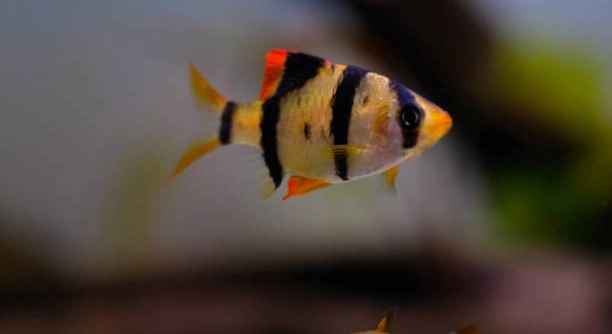
Are your tiger barbs starting to look a little bored or less vibrant in their tank environment lately? Small changes can often make a big difference to their health and happiness.
Upgrading a tiger barb tank can be as simple as adjusting water flow, introducing live plants, or improving filtration. These changes help replicate their natural habitat, enhance activity levels, reduce aggression, and promote better coloration and overall health.
Simple upgrades can lead to noticeable improvements, both for your fish and for how your tank looks and functions.
Add Live Plants for Stimulation
Adding live plants is one of the easiest ways to improve a tiger barb tank. Plants give your fish places to hide, rest, and explore. This helps reduce stress and keeps them active throughout the day. Java fern, anubias, and hornwort are great options that don’t require intense lighting or CO₂ systems. These plants are also hardy, making them perfect for beginners. Live plants also help filter the water by absorbing nitrates, which can lead to better water quality over time. Their presence softens the look of the tank and creates a more natural environment your fish will enjoy.
Fake plants don’t provide the same benefits. They don’t oxygenate the water or help with filtration, and sharp edges can injure your fish.
If your tiger barbs seem restless or overly aggressive, introducing more greenery can calm them. Keep the layout balanced with open areas for swimming and dense areas for hiding.
Improve Water Flow
Tiger barbs come from rivers and streams, so they thrive in tanks with steady water movement. Adding a powerhead or upgrading your filter output can mimic this natural flow and keep your fish active.
Use moderate flow settings to avoid overwhelming smaller fish or disrupting the substrate. A stronger current can prevent waste from settling, making it easier for your filter to keep the tank clean. This improves oxygen levels and supports beneficial bacteria. Watch your fish after any changes. If they struggle to swim or hide constantly, the flow may be too strong. Try angling the output to create a gentle cross-current. Combine this with live plants and decorations to break up the flow and offer resting zones. It may take a few adjustments, but once the flow is right, your tiger barbs will swim more confidently and explore their environment more often.
Use a Darker Substrate
Darker substrates help bring out the natural colors of tiger barbs. Their orange and black stripes become more visible, and they tend to appear less stressed in tanks with a more natural-looking base rather than pale or brightly colored gravel.
Choosing fine gravel or sand in shades like dark gray, brown, or black creates a calm atmosphere in the tank. It mimics the riverbeds where tiger barbs originate and makes them feel more secure. Fish kept on darker substrates often show more natural behavior, like foraging and shoaling more actively. The darker color also hides leftover food or waste better, making the tank look cleaner between maintenance. Avoid anything with sharp edges to protect their delicate barbels. Rinse any new substrate thoroughly before adding it to prevent cloudiness. Once in place, you may notice your fish becoming more active and vibrant, responding well to the change.
The substrate choice affects both your fish and plant health. Fine-grained dark substrates provide a stable base for live plant roots while helping hold nutrients in place. This improves plant growth and leads to a more balanced tank. When combined with proper lighting and filtration, your substrate upgrade can support long-term health for the entire tank setup.
Create Hiding Spaces
Tiger barbs can become territorial or nip at each other when there’s not enough structure in the tank. Adding caves, driftwood, or dense plants helps give each fish a chance to retreat when needed and feel more secure.
Use items like rock caves, ceramic tubes, or hollow logs that fit the size of your fish. You don’t need to overcrowd the tank—just a few well-placed pieces are enough to make a difference. When fish feel like they have hiding spots, they tend to be less aggressive overall. This also gives weaker or smaller fish room to escape during occasional chasing. Combine decorations with live or silk plants to create layered hiding areas. Make sure structures are stable and have no sharp edges. With better cover, tiger barbs usually swim more confidently and spend more time exploring, giving the tank a livelier and healthier look.
Adjust Lighting for Comfort
Bright lights can stress tiger barbs and make them hide more often. A softer lighting setup creates a calm environment and encourages more natural behavior. Using adjustable LED lights helps you control brightness throughout the day.
Adding floating plants can reduce light intensity and create shaded areas. This gives your fish a better balance between light and shelter, especially in tanks without a lot of decorations or cover.
Upgrade to a Larger Tank
A larger tank gives tiger barbs more space to swim, reducing stress and aggression. These fish are active swimmers and do best in groups of six or more. When crowded, they can become more aggressive or show signs of poor health. Upgrading to a 30-gallon tank or larger allows them to form natural shoaling patterns, improves water stability, and makes maintenance easier. With more space, each fish has enough room to explore, hide, and claim territory without constant conflict. It also opens the door to adding compatible tank mates without overloading the system, giving you more options for creating a balanced community.
Add a Background to Reduce Stress
A solid tank background helps block outside movement and light, which lowers stress levels. It also makes your tank look cleaner and draws more focus to your fish and plants.
How often should I clean my tiger barb tank?
Cleaning frequency depends on tank size and stocking levels, but generally, perform a partial water change of 20-30% weekly. Regularly check water parameters and remove uneaten food or debris to keep the environment healthy. Avoid deep cleaning that disturbs beneficial bacteria too often.
What tank mates work well with tiger barbs?
Tiger barbs do well with other semi-aggressive or fast-moving fish like danios, barbs, and some tetras. Avoid slow or long-finned species, as tiger barbs may nip at them. Always keep tiger barbs in groups of six or more to reduce aggression toward tank mates.
Can tiger barbs live in planted tanks?
Yes, tiger barbs thrive in planted tanks. Live plants provide hiding spaces and improve water quality by absorbing nitrates. Choose hardy plants that can tolerate the moderate activity level of tiger barbs, such as anubias, java fern, and crypts.
What water parameters are best for tiger barbs?
Maintain temperature between 74-79°F (23-26°C), pH around 6.5-7.5, and moderate hardness. Stable water conditions support their health. Sudden changes can stress the fish and cause illness.
How do I prevent aggression among tiger barbs?
Keep tiger barbs in groups of six or more to disperse aggression. Provide plenty of hiding spots and decorations to break sightlines. Avoid overcrowding, and ensure the tank is large enough for their activity level.
What should I feed tiger barbs?
Feed a varied diet of high-quality flakes, pellets, and occasional live or frozen foods like bloodworms or brine shrimp. Feeding small amounts twice daily helps maintain health and coloration without polluting the water.
How can I tell if my tiger barbs are stressed?
Signs include hiding, loss of color, lethargy, or excessive aggression. Stress often results from poor water quality, overcrowding, or lack of hiding places. Regular maintenance and tank upgrades can help reduce stress.
Do tiger barbs require special lighting?
No special lighting is required, but moderate lighting that supports live plants is beneficial. Avoid overly bright lights that may cause stress. Use floating plants or dimmers to create shaded areas.
Can tiger barbs jump out of the tank?
Yes, tiger barbs are known to jump, especially if startled or lacking cover. Always use a secure tank lid or cover to prevent escapes.
How long do tiger barbs live?
With proper care, tiger barbs typically live 5 to 7 years. Good water quality, diet, and tank conditions are key to their lifespan.
Final thoughts on upgrading a tiger barb tank focus on creating an environment that supports their natural behavior and well-being. Small improvements like adding live plants or adjusting water flow can make a big difference in their health and happiness. These fish thrive in spaces that mimic their natural habitat, so incorporating natural elements helps reduce stress and aggression. Over time, these upgrades also make the tank easier to maintain by improving water quality and encouraging natural filtration.
When upgrading, it’s important to consider the needs of your fish first. Tiger barbs are active and social, so they need enough room and hiding places to feel secure. Group size matters; keeping them in groups of six or more helps disperse aggression and encourages healthy social behavior. A larger tank with adequate decorations and live plants allows them to swim freely and explore, reducing boredom and stress. Each upgrade should be chosen carefully to match your tank’s size and setup, ensuring the best possible conditions without overcrowding or complicating maintenance.
Finally, upgrading your tank can also improve your enjoyment as an owner. A well-planted, balanced tank with healthy, vibrant fish is more rewarding to watch and easier to care for. The process of making thoughtful improvements is also a good way to learn more about your fish’s needs and how to meet them. Taking time to observe how your tiger barbs react to changes helps you fine-tune their environment for long-term success. With patience and simple upgrades, your tiger barb tank can become a thriving, lively habitat for your fish.

Hello,
If you enjoy the content that we create, please consider saying a "Thank You!" by leaving a tip.
Every little bit helps us continue crafting quality advice that supports the health, happiness, and well-being of pets around the world, for pets of all shapes, sizes, and species.
We really appreciate the kindness and support that you show us!