
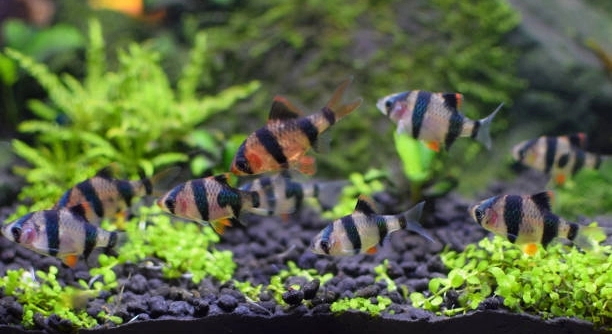
Many fish owners wonder about the best environment for their tiger barbs. These lively fish need just the right conditions to thrive and feel comfortable in their tanks. Understanding their preferences helps create a happier home for them.
Tiger barbs generally prefer a moderately quiet environment with minimal loud or sudden noises. Excessive noise can stress them, affecting their health and behavior. A calm tank setting promotes their natural activity and reduces anxiety, supporting their well-being.
Learning how noise impacts tiger barbs will help you create a peaceful tank atmosphere. This knowledge is important for keeping these fish healthy and active in your aquarium.
How Noise Affects Tiger Barbs
Tiger barbs are known for their active and sometimes aggressive behavior. Loud noises or vibrations from outside the tank can startle them easily. When stressed by noise, these fish might hide more often or become less active. Over time, constant noise can weaken their immune system, making them more prone to illness. On the other hand, a calm environment encourages natural swimming patterns and social interactions within the group. Keeping the tank away from speakers, busy rooms, or heavy foot traffic helps maintain a peaceful setting. Light background sounds, like a gentle water filter hum, usually don’t bother them. It’s important to observe your tiger barbs and notice any changes in their behavior when noise levels change. Quiet moments allow these fish to feel safe and maintain good health.
Noise disturbances can increase aggression among tiger barbs, leading to unnecessary stress.
Providing a quiet and stable tank environment reduces stress and helps tiger barbs show their natural colors and behaviors. Noise can trigger defensive actions or cause them to dart around nervously. When noise is controlled, their social dynamics stay balanced, and they are less likely to injure each other. Quiet conditions also improve their feeding habits, as they feel more secure while eating. Overall, limiting loud sounds creates a more comfortable habitat, which supports their growth and longevity.
Creating a Peaceful Environment for Tiger Barbs
Avoid placing the tank near loud appliances or high-traffic areas to reduce noise.
Use soft tank decorations and plants to absorb sound inside the aquarium. This helps reduce water vibrations that might stress the fish. Positioning the tank in a low-activity room can make a big difference. Adding a gentle filter system that doesn’t produce strong noise will keep water clean without disturbing your fish. Consistent lighting and feeding schedules also contribute to a calm environment. Watching your tiger barbs in a quiet setting reveals their natural behavior and colors better. By paying attention to noise control and the tank setup, you provide a space where these fish can thrive comfortably. Small changes in placement and equipment can create a big improvement in your aquarium’s atmosphere.
Signs Tiger Barbs Are Stressed by Noise
When tiger barbs feel stressed by noise, they often hide more than usual. You might notice them swimming erratically or darting around the tank.
Increased hiding and sudden jerky movements are common signs of stress caused by noise. Sometimes they stop eating or lose their vibrant colors. This stress can make them more prone to disease and aggression towards each other. If you see these behaviors, consider reducing noise and vibrations near the tank. A calmer environment will help them return to normal activity and regain their bright colors.
Stress from noise also affects how tiger barbs interact. They may become more aggressive or withdrawn. It’s important to watch for these signs and adjust the tank’s surroundings quickly to prevent lasting harm.
Managing Noise Levels Around Your Aquarium
Place the aquarium in a quiet corner away from household noise sources. Soft rugs or curtains nearby help absorb sound and reduce vibrations.
Using a quiet filter and avoiding tapping on the glass will keep your tiger barbs calm. Also, turn off loud music or TVs when near the tank. Creating a routine with low noise levels during feeding and cleaning times helps the fish feel secure. Consistent, peaceful conditions allow tiger barbs to behave naturally without stress. Small changes in noise management can improve their health and happiness over time.
Ideal Noise Level for Tiger Barbs
Tiger barbs do best in a quiet environment with only soft background sounds. Loud noises should be avoided as much as possible.
Gentle humming from a filter or air pump is usually fine. These steady sounds help mimic natural water movement without causing stress.
How to Monitor Your Tiger Barbs’ Behavior
Observe their swimming patterns and social interactions regularly. Changes like hiding or aggression can signal stress from noise.
Consistent monitoring helps catch problems early, allowing you to adjust the environment to keep your fish healthy and active.
Equipment That Minimizes Noise
Choose filters and pumps designed to operate quietly.
Using sound-absorbing mats under the tank can reduce vibrations.
FAQ
Do tiger barbs get stressed by loud noises?
Yes, tiger barbs can get stressed by loud or sudden noises. These fish are sensitive to vibrations and sounds that come from outside their tank. Loud noises can cause them to hide, swim erratically, or become aggressive. Keeping the environment calm helps reduce their stress and keeps them healthy.
How can I tell if my tiger barbs are stressed from noise?
Look for changes in behavior like hiding more than usual, frantic swimming, loss of appetite, or faded colors. Aggression towards tank mates can also increase when they feel stressed. If these signs appear after a loud noise or in a noisy room, the noise is likely bothering them.
Is some noise okay for tiger barbs?
Yes, soft and constant background sounds like the gentle hum of a filter or air pump are usually okay. These sounds can even mimic natural water movement and do not typically cause stress. It’s sudden or very loud noises that should be avoided.
Where is the best place to put my tiger barb tank to avoid noise stress?
Place the tank in a quiet area away from loud appliances, speakers, and heavy foot traffic. Avoid rooms where music or TV volume is often high. A calm corner with minimal disturbances helps maintain a peaceful environment for the fish.
Can noise affect the health of tiger barbs?
Yes, chronic noise stress weakens their immune system and makes them more prone to disease. Stress can also disrupt their eating habits and social behavior, leading to injury or death if not addressed. Keeping noise levels low is important for their overall health.
Will tiger barbs become aggressive if there is too much noise?
Noise can increase aggression between tiger barbs. When stressed, they may nip fins or chase each other more. This aggressive behavior is a sign they feel unsafe and can harm the fish if it continues. Reducing noise often helps calm them down.
What equipment should I use to reduce noise in the tank?
Choose quiet filters and pumps designed for low noise output. Using sound-absorbing mats under the aquarium can reduce vibrations. Also, avoid tapping on the glass or banging near the tank to keep stress levels low.
Can I use background music near my tiger barb tank?
It’s best to avoid loud or sudden music near the tank. If you want background music, keep the volume very low and steady. Sudden changes in sound can startle and stress the fish.
How often should I check my tiger barbs for signs of stress?
Daily observation is ideal. Watching their behavior each day helps catch any stress early. Noticing changes in swimming, feeding, or social interaction will allow you to make quick adjustments to their environment.
Does the size of the tank affect how noise impacts tiger barbs?
Larger tanks may reduce the impact of outside noise because water can absorb some vibrations. Smaller tanks are more sensitive to sudden sounds and movement. Either way, keeping noise low is important for any tank size.
What can I do if my tiger barbs are already stressed from noise?
Try moving the tank to a quieter spot, reduce any nearby noise sources, and check your equipment for loud sounds. Adding plants or decorations can help absorb vibrations inside the tank. Give the fish time to settle once the environment is calmer.
Are tiger barbs more sensitive to noise than other fish?
Tiger barbs are moderately sensitive to noise, especially compared to more peaceful fish. Their active and sometimes aggressive nature means they react quickly to disturbances. Providing a quiet, stable environment benefits most fish but is especially helpful for tiger barbs.
Can I train my tiger barbs to ignore noise?
Fish don’t really “train” like pets, but they can get used to regular, gentle background sounds over time. Sudden or loud noises will always cause stress, so it’s best to keep the environment consistently calm rather than relying on habituation.
Is it better to have noise or silence near a tiger barb tank?
A quiet environment with gentle, constant sounds is best. Total silence is rare in most homes and not necessary. The key is to avoid sudden loud noises or vibrations that startle the fish.
How do noise and lighting together affect tiger barbs?
Both noise and lighting changes can stress tiger barbs. Bright, flickering lights combined with loud noise increase stress levels. Keeping lighting steady and noise low creates the best conditions for them to thrive.
Are there natural sounds tiger barbs prefer?
Tiger barbs do well with soft water sounds like bubbling from a filter or gentle air bubbles. These mimic natural streams or rivers. Harsh, mechanical noises or sudden sounds are not preferred and can cause distress.
Creating the right environment for tiger barbs means paying close attention to how noise affects them. These fish are quite sensitive to sudden or loud sounds, which can stress them and change their behavior. When tiger barbs feel stressed, they might hide more, swim nervously, or even become aggressive with other fish. This stress can also lead to health problems, making it important to keep their surroundings calm and steady. Simple actions, like placing the tank away from noisy areas or using quiet equipment, can make a big difference in their well-being.
A peaceful setting with gentle background noise is usually best for tiger barbs. The quiet hum of a filter or air pump helps create a natural feeling without disturbing them. Loud music, talking, or household appliances near the tank can cause them to become uneasy. Watching how your fish act is important, because they will show signs if something bothers them. If you notice any changes like hiding or loss of color, it may be time to reduce noise around the aquarium. Making these small adjustments helps the fish stay healthy and active.
Overall, understanding the noise preferences of tiger barbs helps improve their quality of life. Keeping their tank in a quiet corner, using low-noise equipment, and minimizing sudden sounds supports their natural behavior and health. Taking time to observe and respond to your fish’s needs creates a more enjoyable experience for both you and your tiger barbs. Quiet environments not only reduce stress but also encourage vibrant colors and lively social interactions. When you focus on creating calm conditions, your tiger barbs will thrive and bring more joy to your aquarium.

Hello,
If you enjoy the content that we create, please consider saying a "Thank You!" by leaving a tip.
Every little bit helps us continue crafting quality advice that supports the health, happiness, and well-being of pets around the world, for pets of all shapes, sizes, and species.
We really appreciate the kindness and support that you show us!