
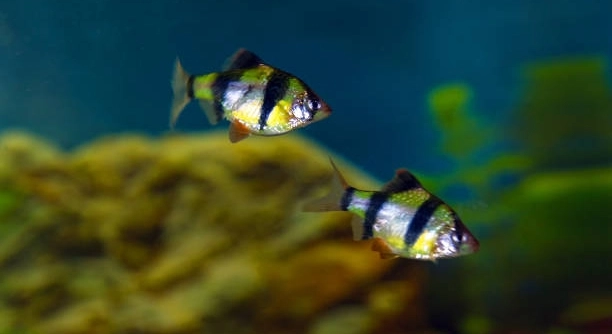
Is your tiger barb tank looking a little cloudy or starting to smell off despite regular maintenance? Even with a simple setup, caring for these active fish can sometimes feel like a challenge. A clean tank keeps them healthy and happy.
The best way to clean a tiger barb tank is by performing regular partial water changes, vacuuming the substrate, and gently cleaning decorations and filters. This routine supports stable water quality and minimizes stress for your fish.
From water changes to algae control, each tip is designed to make your tank care routine easier and more effective.
Change 20-30% of the Water Weekly
Changing 20-30% of your tiger barb tank water every week is one of the easiest ways to maintain a clean and healthy environment. This simple routine helps remove waste, uneaten food, and harmful chemicals like nitrates. Use a gravel vacuum or siphon to remove the water and clean the substrate at the same time. Make sure the new water is treated with a water conditioner to remove chlorine and other chemicals that could harm your fish. It’s best to match the temperature of the new water with the tank water to avoid shocking the fish. Doing this once a week helps reduce the build-up of toxins and keeps the water clear and fresh. You don’t need to overdo it—small, regular changes are more effective than one big cleaning. Keeping this habit in place makes a noticeable difference in your tank’s overall condition.
It may seem like a chore at first, but it quickly becomes second nature and keeps your tiger barbs thriving.
Weekly water changes also give you a chance to observe your fish more closely. You might catch early signs of stress or illness before they become serious. Clean water also supports their active nature and helps prevent algae from building up too quickly.
Clean the Filter Monthly
A dirty filter can reduce water flow and trap harmful debris, which affects the tank’s balance. Rinse it gently once a month using old tank water, not tap water, to keep the helpful bacteria alive.
Tiger barbs are messy eaters, and their waste adds up fast. Your tank’s filter works hard to remove that waste and keep the water circulating. Over time, debris clogs the filter media, slowing down water flow and affecting its ability to clean the tank. A quick rinse in a bucket of used tank water keeps the filter working without removing the good bacteria that help break down waste. These bacteria are important for maintaining a stable nitrogen cycle. Never use soap or hot water to clean any part of the filter. Stick to once a month unless your tank is overcrowded or especially dirty. If the filter has multiple parts, clean only one section at a time to avoid losing too much beneficial bacteria. This small step helps maintain consistent water quality.
Wipe Down the Glass Weekly
Algae can build up quickly on the glass, making it harder to see your tiger barbs and making the tank look dirty. Use an algae scraper or magnetic cleaner once a week to keep the view clear.
It’s common to see green or brown patches forming on the glass, especially if your tank gets a lot of light. Regularly wiping the glass helps control this growth and prevents it from spreading. You don’t need to scrub too hard—gentle, even pressure with the right tool is enough. If you’re using a magnetic cleaner, be sure it doesn’t trap sand or debris, which can scratch the glass. For tough spots, a soft sponge or algae pad will do the trick. Avoid using household cleaners or soap, as they can be toxic to your fish. Keeping the glass clean also makes it easier to spot changes in your tank’s condition.
Dirty glass not only makes it hard to enjoy your fish, but it can also hide early signs of trouble. A weekly wipe-down is a fast and simple step that keeps everything more visible. If you notice algae growing quickly even with regular cleaning, consider adjusting your lighting schedule or checking your nitrate levels. Light and nutrients both affect algae growth.
Vacuum the Substrate Regularly
Food and waste settle at the bottom, making the substrate one of the dirtiest parts of the tank. Vacuuming it regularly keeps the water cleaner and helps prevent bad smells and unhealthy conditions for your tiger barbs.
Gravel and sand trap more waste than you might think. Leftover food, fish waste, and plant debris build up quickly, especially in tanks with active fish like tiger barbs. A gravel vacuum removes these particles without needing to tear the tank apart. Aim to vacuum the substrate during your weekly water changes. Move slowly and cover different sections each week so you don’t disturb everything at once. Focus more on areas where your fish tend to eat or gather. If you use sand, be gentle to avoid stirring it too much. Cleaning the substrate helps maintain clear water and reduces the amount of waste your filter has to process. It also improves oxygen flow in the gravel, which supports healthy bacteria. Keeping the base of the tank clean can really improve how the tank looks and smells over time.
Don’t Overfeed Your Fish
Overfeeding leads to extra waste and leftover food, which breaks down and dirties the water quickly. Feed your tiger barbs only what they can eat in two minutes, once or twice a day, to avoid water quality issues.
Uneaten food sinks into the substrate and clogs the filter, creating cloudy water and increasing ammonia. Stick to small portions and watch them eat. If food remains after two minutes, you’re likely feeding too much. Feeding less helps your tank stay cleaner longer.
Rinse Decorations When Needed
Tank decorations can collect algae and waste, especially in hard-to-reach areas. Rinse them gently using old tank water when they start looking dirty. Avoid scrubbing too hard, and never use soap or cleaning chemicals, as these can harm your fish. A gentle rinse is usually enough.
Use a Timer for Your Tank Light
Too much light causes algae to grow fast. Use a timer to give your tank 8–10 hours of light each day. This keeps the algae under control and gives your fish a more natural day-night cycle, helping them stay active and healthy.
FAQ
How often should I clean my tiger barb tank?
A partial water change should be done weekly, ideally replacing 20–30% of the water. This helps keep the tank clean and reduces the build-up of harmful substances. Every month, take time to clean the filter and gently rinse decorations or plants if they appear dirty. You don’t need to do a full deep clean unless something unusual happens, like a disease outbreak. Regular light maintenance is more effective and less stressful for your tiger barbs. It also helps keep the water clear and the fish healthy.
Can I use tap water to refill the tank?
Yes, you can use tap water, but it must be treated with a water conditioner to remove chlorine, chloramine, and heavy metals. These chemicals are harmful to fish and can upset the balance of your tank. Always match the temperature of the new water with the existing tank water to avoid shocking your fish. Pour the water in slowly to reduce stress and prevent stirring up debris. Using a bucket or a siphon with a flow control valve can help make this step more gentle and precise.
What’s the best way to clean algae off decorations?
Remove the decorations from the tank and gently rinse them in old tank water. Use a soft brush or sponge to scrub off algae buildup. Do not use soap or bleach. If the algae is stubborn, soaking the decoration in a small container with tank water and a small amount of aquarium-safe cleaner (like hydrogen peroxide) for a few minutes may help, but rinse thoroughly before placing it back. Regular cleaning and light control will help reduce future algae growth.
Should I remove my tiger barbs during cleaning?
No, for most routine maintenance like water changes, glass wiping, and gravel vacuuming, it’s best to leave your fish in the tank. Removing them can cause unnecessary stress and may lead to injury. Just move carefully around them, and avoid sudden movements. The only time removal might be needed is during major cleaning events, or if you’re treating a specific illness in a separate tank. Otherwise, keeping them in place is less disruptive and safer.
How do I know if I’m overfeeding my fish?
If food is sinking to the bottom or floating uneaten after two minutes, you’re likely feeding too much. Overfeeding leads to poor water quality and health problems. Tiger barbs are active eaters, but they don’t need much. Watch how much they consume and adjust accordingly. Feeding once or twice a day is usually enough. If the water becomes cloudy or the substrate gets dirty quickly, overfeeding is often the reason. Reducing the amount slightly and observing their behavior helps keep things in balance.
How do I keep the water clear without constantly changing it?
Stick to a weekly maintenance routine, feed lightly, and avoid overcrowding the tank. A good filter makes a big difference, so keep it clean and make sure it’s properly sized for your tank. Also, avoid placing the tank in direct sunlight, which can cause algae to grow faster. Use live plants if possible—they absorb some of the excess nutrients in the water. Test your water regularly to make sure the levels are within a safe range. Clear water comes from consistency, not deep cleaning.
Why does my tank smell bad even after cleaning?
A strong odor usually means waste is building up faster than it’s being removed. Check your substrate and filter for trapped debris. Make sure you’re not overfeeding and that you’re changing the water weekly. Sometimes a hidden dead fish or rotting plant can cause a smell, so inspect carefully. If everything seems fine and the smell continues, test your water for ammonia or nitrites. These toxins can cause unpleasant smells and harm your fish. Fixing the source is more effective than masking the odor.
What tools should I have for basic cleaning?
You don’t need a lot of gear. A gravel vacuum, algae scraper or sponge, water conditioner, a siphon, and a bucket just for tank use are usually enough. A magnetic glass cleaner makes glass cleaning easier, especially for larger tanks. If you have live plants, trimming scissors help manage growth. Keeping your tools clean and separate from other household items prevents cross-contamination. Store them in a spot where they stay dry and ready for use. Having a simple setup makes regular cleaning quicker and more effective.
Final Thoughts
Keeping a tiger barb tank clean doesn’t have to feel overwhelming. With a few small habits and the right tools, you can create a steady routine that supports a healthy and stable environment for your fish. Regular care is always better than trying to fix big problems later. Small actions like changing a portion of the water weekly, vacuuming the substrate, and wiping the glass can make a big difference in how your tank looks and feels. Over time, these tasks become part of your schedule, and your tiger barbs will benefit from the consistency. Clean water helps reduce stress, prevents disease, and allows your fish to stay active and colorful.
Feeding is also a big part of tank maintenance. Overfeeding is a common issue, and it’s easy to do without realizing it. Sticking to small portions and watching how much your fish eat will help you avoid leftover food building up in the tank. Algae, cloudy water, and bad smells often start with too much waste. Cleaning the filter monthly, rinsing decorations when needed, and using a light timer are also simple ways to keep the balance right. These steps help support the helpful bacteria in your tank that break down waste and keep the water safe. Cleanliness isn’t just about appearance—it’s a big part of your fish’s health and comfort.
In the end, maintaining a tiger barb tank is about being steady and gentle. Avoid deep or harsh cleanings unless absolutely necessary. Your tank is a living system, and changes should be made slowly and carefully. Watching your fish during cleaning also gives you a chance to spot issues early, like changes in behavior or signs of illness. When your tank is clean and running well, it’s easier to enjoy watching your fish swim, explore, and interact with each other. That kind of environment doesn’t happen all at once—it comes from regular, thoughtful care. Whether you’re new to tiger barbs or have had them for a while, a simple and steady cleaning routine will help you keep your tank clear, your water safe, and your fish happy.

Hello,
If you enjoy the content that we create, please consider saying a "Thank You!" by leaving a tip.
Every little bit helps us continue crafting quality advice that supports the health, happiness, and well-being of pets around the world, for pets of all shapes, sizes, and species.
We really appreciate the kindness and support that you show us!