
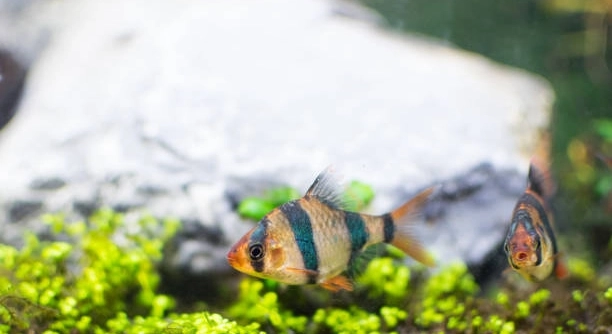
Keeping a single Tiger Barb in an aquarium may seem simple at first, but it can lead to unexpected challenges. These small, colorful fish have unique social needs that affect their behavior and well-being. Understanding these needs is important for any fish owner.
Keeping only one Tiger Barb often results in stress and abnormal behavior because they are naturally schooling fish. They require companions to feel secure and exhibit normal social interactions, and isolation can negatively impact their health and activity levels.
Knowing what happens when Tiger Barbs are kept alone can help you create a better environment for them. This article will explain their social habits and guide you toward making informed decisions for your aquarium.
Why Tiger Barbs Need Companions
Tiger Barbs are social fish that naturally swim in groups. When kept alone, they often become stressed and shy. Without others of their kind, they lose the chance to show normal behaviors like schooling or playing. This can lead to health problems and reduced activity. They may hide most of the time or swim nervously. A lone Tiger Barb may also show signs of aggression toward its own reflection or other tank mates, which is unusual when they are in a group. Because they rely on social cues, being alone can cause confusion and anxiety. In a well-kept tank with a small group of Tiger Barbs, their natural colors and playful behaviors shine. This makes them more enjoyable to watch and helps keep them healthy and active. Grouping Tiger Barbs in numbers of at least five is recommended for their well-being and overall tank harmony.
Keeping one Tiger Barb often results in a less lively fish. The lack of companions can cause it to hide or act stressed.
Providing enough companions allows Tiger Barbs to feel safe and express natural behaviors. This helps maintain their health and makes the aquarium more vibrant.
Behavior Changes When Alone
A single Tiger Barb can become aggressive toward other fish or its own reflection in the glass. This happens because it feels threatened without a group to blend into. The fish may also become very shy and spend much of its time hiding behind decorations or plants in the tank. When alone, their usual schooling behavior disappears, and they might swim erratically or rest at the bottom. This change in activity can sometimes be mistaken for illness, but it is usually linked to loneliness. The fish’s colors may also fade, losing the bright orange and black stripes that make them popular. When in groups, Tiger Barbs communicate through their movements and body language, which is impossible for a lone fish. Over time, isolation can weaken their immune system, making them more prone to disease. Adding more Tiger Barbs or compatible tank mates helps reduce stress and restores their natural, lively behavior.
Tank Environment for Tiger Barbs
A well-planned tank helps Tiger Barbs feel secure. Decorations like plants and hiding spots reduce stress and provide places to explore. A tank size of at least 20 gallons is recommended to house a small group comfortably.
Tiger Barbs are active swimmers, so a spacious tank with good water flow is important. They thrive in water temperatures between 74°F and 79°F and prefer slightly acidic to neutral pH levels. Regular water changes keep the tank clean and the fish healthy. Providing enough space and hiding spots helps reduce aggression and allows the fish to establish territories within the group.
Adding plants and driftwood creates a natural environment that encourages normal behaviors. This setup helps Tiger Barbs feel less threatened and promotes social interaction, which keeps them active and colorful.
Feeding and Health Care
Tiger Barbs eat a varied diet that includes flakes, pellets, and live or frozen foods like brine shrimp or bloodworms. Feeding them small amounts two to three times daily keeps them healthy without overfeeding. A balanced diet supports bright colors and strong immune systems.
Regular tank maintenance is key to preventing diseases. Monitoring water quality and removing uneaten food prevents bacterial growth. Stress from loneliness or poor environment can weaken their immune system, so maintaining a good group and tank conditions reduces illness risks. Watching for signs of disease early allows for quicker treatment and recovery.
Healthy Tiger Barbs are active and colorful. Keeping their diet varied and tank clean ensures they live longer and enjoy a better quality of life.
Signs of Stress in Tiger Barbs
Tiger Barbs kept alone often show signs of stress like hiding, loss of appetite, and dull colors. They may swim erratically or become unusually aggressive toward other fish or their reflection.
Stress can weaken their immune system, making them more prone to illness. Recognizing these signs early is important to improve their environment.
How to Improve a Lonely Tiger Barb’s Life
Introducing more Tiger Barbs is the best way to reduce stress and restore natural behavior. Keeping at least five together allows them to school and feel safe. Adding plants and hiding spots also helps create a comfortable environment where they can relax and explore freely.
Compatibility with Other Fish
Tiger Barbs can be aggressive, especially when alone or stressed. Choosing tank mates that are fast and robust reduces conflicts. Avoid slow or long-finned fish, as Tiger Barbs may nip at them. Proper group size and tank setup help keep peace in a community tank.
Summary of Care Needs
Tiger Barbs need companions, space, and clean water. Meeting these needs keeps them healthy and happy.
FAQ
How many Tiger Barbs should I keep together?
It’s best to keep at least five Tiger Barbs together. They are schooling fish that feel safer and behave more naturally in groups. A larger group helps reduce aggression between individuals and keeps them active and colorful. Smaller numbers can lead to stress and unusual behavior.
Can a single Tiger Barb live alone?
A single Tiger Barb can survive alone but will likely become stressed and shy. They need companions to exhibit natural schooling behavior and stay mentally healthy. Without a group, they may become aggressive toward other fish or their own reflection, and their colors may fade.
What tank size is suitable for Tiger Barbs?
A minimum tank size of 20 gallons is recommended for a small group of Tiger Barbs. They are active swimmers and need enough space to move freely. Larger tanks help reduce territorial disputes and allow for a healthier social environment.
What water conditions do Tiger Barbs prefer?
Tiger Barbs thrive in water temperatures between 74°F and 79°F. They prefer slightly acidic to neutral pH levels, around 6.0 to 7.5. Clean, well-filtered water with regular changes is essential to keep them healthy and stress-free.
What should I feed my Tiger Barbs?
A varied diet is best. Offer high-quality flakes or pellets designed for tropical fish, supplemented with live or frozen foods like brine shrimp, bloodworms, or daphnia. Feeding small amounts two to three times daily ensures they get enough nutrients without overfeeding.
How can I tell if my Tiger Barb is stressed?
Signs of stress include hiding frequently, loss of appetite, faded colors, erratic swimming, or aggression. If you notice these signs, check tank conditions, water quality, and group size. Improving their environment often helps reduce stress quickly.
Are Tiger Barbs aggressive to other fish?
Tiger Barbs can be semi-aggressive, especially if kept alone or in too small a group. They may nip fins of slow or long-finned fish. Choosing fast, robust tank mates and keeping Tiger Barbs in groups reduces aggression and promotes peaceful coexistence.
Can Tiger Barbs live with other fish?
Yes, Tiger Barbs can live with other species if tank mates are chosen carefully. Avoid slow-moving or delicate fish that can be stressed or harmed. Good companions include danios, barbs, and other fast, similarly sized fish.
What are common health problems for Tiger Barbs?
Common issues include fin rot, ich, and fungal infections, often caused by poor water quality or stress. Keeping the tank clean and stable helps prevent disease. Early detection and treatment increase chances of recovery.
How often should I clean the Tiger Barb tank?
Partial water changes of about 20-30% weekly or biweekly are ideal. Regular cleaning keeps water parameters stable and removes waste. Avoid complete tank cleaning at once, as it can disrupt beneficial bacteria important for water health.
Keeping Tiger Barbs can be rewarding, but it requires understanding their social nature. These fish are happiest and healthiest when kept in groups of five or more. A lone Tiger Barb may survive, but it often faces stress and behavioral problems. They rely on companions for security and normal activity, which helps keep them vibrant and active. Without a group, they can become shy, aggressive, or even sick. Knowing this helps you create a better home for your fish and enjoy watching their natural behaviors.
The tank setup also plays a big role in their well-being. Tiger Barbs are active swimmers who need plenty of space to move around. A tank of at least 20 gallons is recommended, along with plants and hiding spots to reduce stress. Good water quality is essential; regular cleaning and proper filtration help prevent diseases. Their diet should be varied, including flakes, pellets, and occasional live or frozen foods. Meeting these basic care needs supports their health and coloration, making your aquarium a lively and colorful environment.
If you keep Tiger Barbs alone, you might notice changes like dull colors, hiding, or aggression. These signs point to stress and loneliness. Adding more Tiger Barbs or compatible tank mates usually helps improve their mood and behavior. When cared for properly, Tiger Barbs can live long, healthy lives and provide enjoyment through their playful schooling and bright appearance. Understanding their social needs and tank requirements ensures your fish thrive in a balanced, healthy aquarium.

Hello,
If you enjoy the content that we create, please consider saying a "Thank You!" by leaving a tip.
Every little bit helps us continue crafting quality advice that supports the health, happiness, and well-being of pets around the world, for pets of all shapes, sizes, and species.
We really appreciate the kindness and support that you show us!