
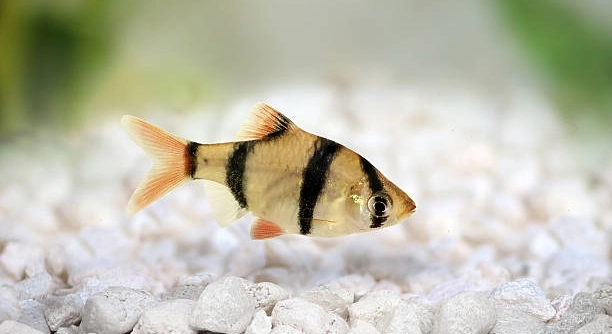
Tiger barbs are popular freshwater fish known for their bright stripes and lively behavior. Many aquarium owners enjoy watching them swim actively during the day. Their appearance and habits often make people wonder about how they see in different lighting conditions.
Tiger barbs do not have the ability to see clearly in complete darkness. Their vision depends on available light, as they rely on their eyes’ sensitivity to low light but cannot see when there is no light at all.
Understanding how tiger barbs see can help you create a better environment for them in your aquarium. This knowledge is useful for both hobbyists and those curious about fish behavior.
How Tiger Barbs See in Low Light
Tiger barbs have eyes adapted to their natural environment, which usually involves dimly lit waters. Their eyes contain rod cells that are more sensitive to light, helping them see better when light levels drop. However, their vision is not perfect in very dark conditions. They rely mostly on any ambient light to detect movement and shapes. In an aquarium setting, low light helps tiger barbs feel more secure, but complete darkness means they can’t see well. This is why they often hide or become less active when the lights go off. Their eyesight allows them to detect predators and food during dawn or dusk, times when light is low but still present. Overall, tiger barbs depend on varying light rather than full darkness to navigate their space.
Their vision in low light is functional but limited without any light source.
This sensitivity to light means aquarium lighting plays a key role in their daily behavior and feeding patterns. Too much or too little light can affect their activity and stress levels.
The Role of Environment in Tiger Barb Vision
Light availability in the environment shapes how tiger barbs behave and see.
Tank setup, including lighting and hiding spots, directly influences their comfort and vision. Low lighting mimics natural conditions, reducing stress. If the tank is too bright, tiger barbs might feel exposed and shy away. Dark areas give them places to rest when they need breaks from light. Light cycles also help regulate their day and night activities, supporting natural rhythms. Providing varied lighting helps tiger barbs use their vision effectively and stay active. Understanding this connection helps owners maintain a healthy, happy aquarium for their fish. Adjusting light levels to balance visibility and comfort can improve how tiger barbs interact with their environment. This careful attention to lighting benefits their overall well-being.
Nighttime Behavior of Tiger Barbs
Tiger barbs are less active at night, often resting or hiding in the aquarium’s darker areas. Their limited vision in darkness means they avoid open spaces to feel safe.
At night, tiger barbs rely more on their other senses, like detecting vibrations in the water. Since they cannot see well without light, they become cautious and stay still to avoid predators. This behavior helps them conserve energy for the daytime when they are more active. Providing plants or decorations gives them places to retreat and feel secure during nighttime.
Owners might notice their tiger barbs seem quieter or disappear from sight in the dark. This is normal and shows their natural instinct to seek safety when vision is limited. Observing this pattern can help adjust tank conditions for better fish comfort.
Light and Feeding Patterns
Feeding tiger barbs is easier when the tank is well-lit because they use sight to find food.
They tend to eat more actively during daylight hours or under aquarium lighting. In low or no light, feeding becomes difficult since they cannot spot food easily. Many owners feed them during the day to match their natural behavior. Using sinking or brightly colored food can help when feeding in dimmer conditions, making the food more visible.
Proper lighting not only supports feeding but also regulates their metabolism and activity cycles. Consistent light schedules encourage tiger barbs to feed regularly and stay healthy. Monitoring how your fish respond to different light levels during feeding can improve their diet management. This simple adjustment can boost their appetite and overall well-being.
Vision Adaptations Compared to Other Fish
Tiger barbs have better low-light vision than some tropical fish but not as strong as nocturnal species. Their eyes balance daytime clarity with limited night sight.
Unlike catfish or cichlids, tiger barbs don’t have specialized night vision. They rely mostly on light sensitivity rather than full dark adaptation.
How Tank Lighting Affects Their Vision
Proper tank lighting mimics natural light cycles, helping tiger barbs stay active and healthy. It reduces stress and supports their vision.
A well-lit tank during the day encourages normal behavior. Dimmed lights or a gentle night light can ease their transition to rest.
Signs Your Tiger Barbs Are Struggling to See
If tiger barbs seem inactive or hide frequently, their vision or environment might need attention. Changes in light or water quality can affect their sight.
FAQ
Can tiger barbs see in complete darkness?
No, tiger barbs cannot see in complete darkness. Their eyes depend on available light to function. In total darkness, they are essentially blind and rely on other senses like detecting water vibrations to stay aware of their surroundings.
Do tiger barbs need special lighting in their tank?
Tiger barbs do best with moderate lighting that simulates natural day and night cycles. Too bright lighting can stress them, while very dim or no lighting limits their ability to see and find food. Using a timer to create regular light patterns helps keep them comfortable.
Why do tiger barbs hide when the lights go off?
When the lights go off, tiger barbs’ vision weakens because of low or no light. They hide to feel safe, avoiding open spaces where they might feel exposed to predators. Hiding is a natural behavior that helps reduce stress during darkness.
Can poor lighting affect tiger barbs’ health?
Yes, improper lighting can cause stress, reduce feeding activity, and disturb their natural behavior. Stress weakens their immune system, making them more vulnerable to diseases. Balanced lighting supports their daily routines and overall well-being.
Is it okay to keep the tank lights on all night?
It’s better not to keep the lights on all night. Tiger barbs need a period of darkness to rest, similar to natural day-night cycles. Constant light can cause stress and disrupt their biological clock, leading to health issues.
How can I help tiger barbs see better during feeding?
Feeding during the day or under aquarium lights is best. Using brightly colored or sinking food helps them find it easier. Avoid feeding in complete darkness, as they rely heavily on sight to locate food.
Do tiger barbs use senses other than sight to navigate?
Yes, tiger barbs use their lateral line system to detect water movements and vibrations. This helps them sense nearby objects, predators, or other fish, especially when vision is limited in low light conditions.
Will tiger barbs get used to low-light environments over time?
While tiger barbs can adapt to dimmer light by relying more on their other senses, they still need some light to see properly. Extended periods of very low light can affect their behavior and health negatively.
Can tank decorations improve how tiger barbs feel in low light?
Yes, providing plants, rocks, or hiding spots helps tiger barbs feel safe when light is low. These decorations mimic natural shelters and reduce stress during nighttime or when the lighting is dim.
How important is the tank’s light schedule for tiger barbs?
A consistent light schedule is crucial. It helps regulate their activity, feeding times, and rest periods. Using timers to keep a regular day-night cycle supports their natural rhythms and reduces stress.
Are there any signs that tiger barbs are having vision problems?
Signs of vision problems include unusual hiding, lack of response to food, or bumping into objects. Poor water quality, illness, or injury can affect their eyesight. Monitoring their behavior helps catch problems early.
Does the type of light bulb affect tiger barb vision?
Yes, full-spectrum or daylight bulbs are best, as they mimic natural sunlight and improve visibility. Some colored or very dim bulbs may not provide enough light for tiger barbs to see clearly.
Can tiger barbs see colors?
Tiger barbs can see some colors, which helps them recognize food and other fish. Their color vision is not as sharp as humans but is enough for survival and social interaction.
What should I do if my tiger barbs seem stressed in their tank?
Check lighting levels first, as too bright or too dim light can cause stress. Adjust the light schedule, add hiding places, and maintain good water quality. Stress reduction improves their eyesight and overall health.
Do tiger barbs’ eyes change with age?
Like many fish, tiger barbs may experience some decline in vision as they age. However, changes are usually slow and subtle. Keeping the tank environment stable helps support their eyesight throughout their life.
These answers cover common concerns about tiger barbs’ vision and lighting needs. Proper care and attention to their environment make a big difference in how well they see and behave in the aquarium.
Tiger barbs rely on light to see clearly, and they cannot see well in complete darkness. Their eyes are adapted to sense low light, which helps them navigate during dawn and dusk or in dimly lit waters. This means they are active and alert when there is some light, but they tend to hide or rest when it gets too dark. Understanding this helps when setting up an aquarium for them. Providing proper lighting that mimics their natural environment is important to keep them healthy and stress-free. Too much light can make them uncomfortable, while too little light can affect their activity and feeding habits.
Lighting in the tank affects more than just their vision. It also influences their behavior and overall well-being. A balanced light schedule that follows a natural day-night cycle helps tiger barbs maintain their normal rhythms. They use light to find food and explore their surroundings, so regular lighting makes feeding easier and supports their energy levels. At night or in low light, they rely more on other senses, but these can’t fully replace vision. Offering places to hide, like plants or decorations, gives them security during darker hours. This thoughtful setup creates an environment where tiger barbs can feel safe and comfortable.
It is helpful to watch how your tiger barbs respond to the light in their tank. If they are hiding often or seem less active, the lighting or tank conditions may need adjusting. Good water quality and proper lighting work together to support their eyesight and health. Being aware of how lighting impacts their vision and behavior allows you to make simple changes that improve their life. With the right care, tiger barbs can thrive, showing their vibrant colors and lively nature. Paying attention to their vision needs is a small step that makes a big difference in their aquarium home.

Hello,
If you enjoy the content that we create, please consider saying a "Thank You!" by leaving a tip.
Every little bit helps us continue crafting quality advice that supports the health, happiness, and well-being of pets around the world, for pets of all shapes, sizes, and species.
We really appreciate the kindness and support that you show us!