
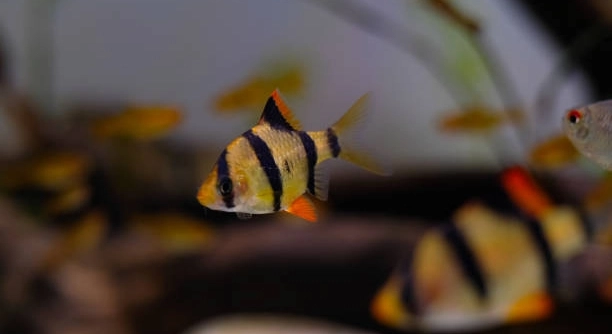
Are your tiger barbs showing signs of torn, frayed, or missing fins, and you’re unsure what could be causing the damage? Keeping fish healthy can be tricky, especially when problems seem to appear out of nowhere.
The most common causes of tiger barb fin damage include fin nipping from tank mates, poor water quality, overcrowding, infections, stress, aggressive behavior, and sharp tank decorations that may cause physical harm.
Understanding these issues can help you make small but important changes to your tank setup, keeping your fish healthier and more comfortable.
Fin Nipping from Tank Mates
Tiger barbs are active and sometimes aggressive, especially in small or poorly stocked tanks. If they’re kept with slow or long-finned fish like angelfish or bettas, they often nip at fins. Even among their own kind, tiger barbs can chase or bite each other if the group is too small or the tank feels crowded. Fin nipping can lead to ragged or torn fins, which may get worse if not addressed quickly. It’s important to keep tiger barbs in groups of at least six to spread out aggression. A larger school helps them feel safer and gives them less reason to focus on one fish. You can also choose tank mates that are fast swimmers and less likely to provoke conflict. Watch their behavior closely during feeding times, as this is when nipping usually happens. A peaceful tank environment starts with a good balance of space, numbers, and compatible species.
A small group of tiger barbs can lead to bullying and constant chasing, which puts stress on the entire tank.
Providing hiding spots and keeping a healthy school size helps minimize aggression and supports better fin health. Choosing tank mates wisely also prevents injury and reduces the need for later treatment.
Poor Water Quality
Dirty or unbalanced water can quickly damage a fish’s fins.
When ammonia or nitrite levels rise, fish become stressed and more prone to infections or fin rot. Unclean water weakens their immune system, and sharp shifts in pH or temperature make it worse. Tiger barbs need stable water conditions to stay healthy. Doing regular water changes, avoiding overfeeding, and using a good filter are simple ways to keep things in balance. Test the water weekly to make sure levels stay safe. Even with a clean tank, if the water isn’t cycled properly or if leftover food builds up, the damage can add up over time. Fins may appear clamped, pale, or start tearing. These are early signs that something is wrong. Once the fins are damaged, it’s easier for bacteria or fungi to infect the wounds. Fixing water quality early not only stops the damage from spreading but also helps the fish recover faster without needing extra medication.
Overcrowding in the Tank
When too many fish share the same space, tension builds quickly. Fish have less room to swim, hide, or claim territory, which can lead to fin damage from stress, chasing, or even fighting.
Overcrowding puts a strain on both the fish and the tank system. Waste builds up faster, oxygen levels drop, and fish start to compete for food and space. Tiger barbs are energetic swimmers that need open areas and room to establish their own space within the group. When the tank is overstocked, they may begin nipping at each other or at more passive tank mates. This often shows up as split or shredded fins. Even if the water is clean, lack of space causes constant stress, which weakens their immune system over time. Keeping stock levels within safe limits helps lower the risk of injury and illness in the tank.
Make sure the tank size matches the number of fish inside. For tiger barbs, a group of six or more needs at least a 20–30 gallon tank. Every additional species should be factored into this space. Consider the swimming patterns, feeding needs, and behavior of each fish. A well-planned tank setup gives every fish room to thrive and reduces problems like aggression and torn fins.
Stress and Environmental Changes
Stress can quietly affect tiger barbs, often showing up first through damaged fins or odd swimming behavior. It may not be obvious right away, but changes in their surroundings can be enough to cause trouble.
Things like loud noises, sudden water changes, rough handling, or poor lighting can trigger stress. Moving decorations around too often or adding new tank mates without proper acclimation may also unsettle them. Fish need stability to feel secure. Once stressed, their behavior may shift—they might dart around, hide more, or lose color. These changes also lower their ability to heal from minor injuries, so a small tear can quickly turn into something worse. Tiger barbs in stressful setups tend to fight more, which adds to the cycle. Keep lighting gentle, avoid tapping on the glass, and handle water changes calmly and slowly. Even small efforts to reduce stress make a big difference.
Fungal or Bacterial Infections
Infections can develop after a fin injury, especially in tanks with poor water quality. Bacterial infections often make fins look ragged or bloody, while fungal infections appear white and fuzzy around the edges of the damage.
If not treated early, infections can spread and lead to fin rot. This condition slowly eats away at the fins, sometimes reaching the base. Clean water and prompt treatment with safe medications help stop the spread and support healing. Watch for changes in behavior, like hiding or a lack of appetite, as these may appear before physical signs.
Aggressive Behavior Within the Group
Even among tiger barbs, social structure matters. If one becomes dominant, it might constantly chase and nip others. A larger group spreads out this behavior and lowers the chance of one fish being singled out. Group balance helps keep fin damage to a minimum.
Sharp Decorations or Equipment
Rough tank décor, sharp rocks, or damaged filter intakes can easily tear fins during normal swimming. Plastic plants with rough edges can also be a hidden source of injury. Swap out sharp items for smooth decorations and silk plants to create a safer, calmer space for your fish.
FAQ
How do I know if the fin damage is from nipping or disease?
Fin nipping usually leaves clean, straight tears or chunks missing, often seen after chasing or aggression. You’ll likely see fish darting, chasing, or showing signs of stress. In contrast, fin damage from disease often looks frayed, ragged, or discolored. Bacterial infections may cause red or bloody edges, while fungal infections can create white, cotton-like patches. If there’s no visible bullying, but the fins continue to worsen, it’s more likely disease-related. Watching your fish’s behavior, especially during feeding or high activity times, can help you figure out what’s going on in the tank.
Can damaged fins heal on their own?
Yes, fins can heal if the damage is minor and the tank conditions are healthy. Clean water, a balanced diet, and low stress levels support natural fin regrowth. Healing may take a few days to several weeks, depending on the severity of the damage. You’ll often see a thin, clear regrowth edge first, which thickens and fills in over time. However, if the fin base is injured or if there’s infection present, healing will take longer and may need extra care like medication or salt baths.
Should I remove aggressive fish from the tank?
If one fish constantly bullies others and causes repeated fin damage, it may be necessary to remove it, especially if rehoming or tank expansion isn’t possible. First, try to adjust the group size—tiger barbs do best in schools of six or more. A larger group spreads out aggression. You can also rearrange the tank or add decorations to break line-of-sight and reduce chasing. If none of this works and one fish remains overly aggressive, separating it might be the best option to protect the rest of the tank.
What’s the best tank size for tiger barbs to prevent fin damage?
A group of six tiger barbs needs at least a 20-gallon tank, though 30 gallons or more is better. More space helps reduce stress and lowers the chance of aggression. When you add other species, you’ll need to increase the tank size accordingly. Overcrowding increases fin nipping and raises ammonia levels, both of which can damage fins. A well-planned tank layout with open swimming space and hiding spots keeps fish active but calm.
Can sharp decorations really cause that much harm?
Yes, sharp decorations are often overlooked but can cause repeated fin tears. Hard plastic plants, jagged rocks, or exposed filter parts can catch delicate fins as fish swim past. Even minor damage adds up, especially if the tank is small or crowded. Choosing smooth decorations and soft plants—like silk or live varieties—prevents injury and makes the tank safer overall. Always check décor during cleaning to make sure nothing has become rough or broken over time.
Is medication always necessary for fin rot?
Not always. If caught early, mild fin rot can be reversed with better water quality and stress reduction alone. Start with water changes and check your filtration system. If there’s no improvement after a few days, or if the fin damage is worsening, medication may help. Use antibacterial or antifungal treatments specifically made for fish. Avoid overusing meds, though, as this can upset the tank’s balance. Quarantine the sick fish if possible to prevent the spread of infection.
How can I prevent future fin damage in general?
Keep the tank clean, stocked properly, and filled with compatible species. Test the water weekly to catch problems early. Feed a balanced diet and watch for signs of stress or bullying. Provide hiding spots and smooth decorations. Most importantly, observe your fish often. Noticing small changes helps you catch issues before they turn serious. Prevention is always easier than treatment when it comes to keeping fins healthy.
Final Thoughts
Fin damage in tiger barbs can seem small at first, but it’s often a sign that something in the tank needs attention. Whether it’s from aggressive tank mates, poor water quality, or overcrowding, small changes can make a big difference. Watching your fish regularly helps you notice when something isn’t right. A torn or frayed fin may be the first clue. When you catch it early, it’s easier to fix the problem and help your fish recover. Keeping a clean and balanced tank is one of the most important things you can do. Clean water supports healing, lowers stress, and helps prevent infections from spreading.
Each factor in the tank—like space, water conditions, and decoration—plays a role in your fish’s health. Tiger barbs are active and social fish. They need room to swim and a group size that keeps their behavior balanced. When they’re kept alone or in too small of a group, they may act out and cause harm to each other. Choosing peaceful, fast-moving tank mates helps avoid fin nipping. Decorations and equipment also matter. Sharp or rough items can damage fins easily. Replacing them with smoother options reduces injury risks. It’s not just about looks—it’s about safety and comfort for the fish.
Taking care of tiger barbs is a steady process. It’s not about perfection, but about checking in often and making small improvements when needed. Test the water regularly, observe how the fish interact, and keep an eye on their fins. Fin damage can be reversed in many cases if you act quickly. Even if you’re new to fishkeeping, small steps like routine water changes, thoughtful tank setup, and feeding a good diet can make a big impact. Healthy fins are a sign of a peaceful and well-maintained tank. When the environment supports them, tiger barbs will show their natural colors, swim actively, and thrive. Keeping their fins in good shape isn’t just about looks—it’s part of making sure your fish live comfortably and stay healthy for the long run.

Hello,
If you enjoy the content that we create, please consider saying a "Thank You!" by leaving a tip.
Every little bit helps us continue crafting quality advice that supports the health, happiness, and well-being of pets around the world, for pets of all shapes, sizes, and species.
We really appreciate the kindness and support that you show us!