
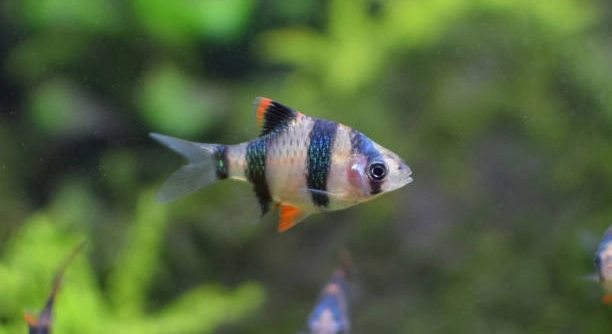
Tiger Barbs are lively fish known for their vibrant colors and active behavior. One interesting action they often perform is shaking their bodies. This movement can catch the attention of many aquarium enthusiasts.
Tiger Barbs shake their bodies for several reasons, including communication, removing parasites, or adjusting to changes in their environment. This behavior helps maintain their health and signals stress or discomfort within their habitat.
Understanding why Tiger Barbs exhibit this shaking can help improve their care and overall well-being in a home aquarium setting.
Reasons Tiger Barbs Shake Their Bodies
Tiger Barbs often shake their bodies as a way to communicate with other fish or react to their environment. This shaking can indicate irritation caused by parasites or debris on their skin. Sometimes, it happens after they eat, helping them adjust their swim bladder or settle their balance. Stress is another factor; changes in water quality, temperature, or overcrowding can make them shake. This behavior also helps remove excess mucus or algae buildup. It is a natural response that can signal if something in their tank needs attention, such as cleaning or better filtration. Observing these movements can help keep your fish healthy and comfortable.
Body shaking is a common and important behavior for Tiger Barbs to maintain their health and interact with their environment.
By paying attention to when and how often your Tiger Barbs shake, you can identify potential issues early. Keeping the tank clean, monitoring water conditions, and providing a balanced diet reduce stress. Introducing compatible tank mates helps avoid conflicts that cause shaking from aggression. If shaking is persistent, it may signal illness requiring treatment. Regular observation and prompt action ensure your Tiger Barbs remain vibrant and active. This care approach promotes a thriving aquarium with minimal problems.
How to Respond to Shaking Behavior
Noticing your Tiger Barbs shake their bodies frequently can be a sign to take action. Observing tank conditions and fish health is essential to determine the cause.
Addressing the cause of shaking involves maintaining clean water and proper tank conditions. Regular water changes and testing help keep parameters stable. Avoid overcrowding to reduce stress and aggression. Feeding high-quality food strengthens fish health and resistance to parasites. Quarantining new fish prevents introducing diseases. If shaking continues, consulting a veterinarian or fish specialist may be necessary. Quick responses to these signs improve your Tiger Barbs’ comfort and longevity, ensuring a peaceful aquarium environment.
Signs That Shaking Indicates a Problem
Shaking can sometimes mean your Tiger Barbs are uncomfortable or ill. Watch for other signs like lethargy, loss of appetite, or unusual spots on their body. These can signal disease or poor water conditions needing immediate attention.
If your Tiger Barbs shake frequently and show signs like rapid gill movement, faded colors, or clamped fins, it’s important to check water quality first. Poor water parameters, such as high ammonia or nitrite levels, can cause stress and illness. Testing water regularly and maintaining proper filtration prevents these issues. Parasites or infections may also cause shaking, so observing physical symptoms closely can help determine the cause. Early detection allows prompt treatment and improves chances of recovery.
Ignoring persistent shaking may worsen your fish’s health. It can lead to further stress, weakened immunity, and increased susceptibility to disease. Addressing the root cause quickly helps restore a stable environment, reduces stress, and supports healing. Taking action when these signs appear will protect your Tiger Barbs and keep your aquarium thriving.
Preventing Shaking Through Proper Care
Maintaining stable water conditions is key to preventing shaking. Regular cleaning, proper filtration, and consistent water changes keep your tank healthy.
Feeding a balanced diet strengthens Tiger Barbs’ immune systems, making them less prone to stress and parasites. Avoid sudden changes in temperature or lighting to minimize discomfort. Provide enough space and compatible tank mates to reduce aggression and stress. Quarantining new fish before introducing them prevents spreading diseases. Monitoring fish behavior daily helps catch problems early. Consistent care practices create a peaceful environment where Tiger Barbs feel secure and shake less often.
Common Triggers for Body Shaking
Body shaking often happens after feeding or when the fish feels threatened. It can also occur when there are sudden changes in water temperature or quality.
Bright lights or loud noises near the tank may startle Tiger Barbs, causing them to shake briefly as a reaction.
Effects of Water Quality on Shaking
Poor water quality is a frequent cause of body shaking in Tiger Barbs. High levels of ammonia, nitrites, or nitrates irritate their skin and gills. Dirty water reduces oxygen levels, causing stress and discomfort. Maintaining clean water with regular testing and changes prevents many health issues. Filters must be cleaned and functioning well to keep the environment stable. Water parameters should be kept within the species’ ideal range. Consistent care reduces stress-induced shaking and promotes fish well-being. Proper water management is essential for minimizing shaking behaviors caused by environmental stressors.
When to Seek Help
If shaking is constant or combined with other symptoms, professional advice is necessary.
FAQ
Why do Tiger Barbs shake their bodies suddenly?
Tiger Barbs often shake suddenly to remove irritants like parasites or debris from their skin. It can also be a response to stress from changes in water conditions or nearby disturbances. This quick shaking helps them stay comfortable and signals that something in their environment may need attention.
Is body shaking always a sign of illness?
Not always. Shaking can be normal behavior related to communication or adjusting their balance. However, if shaking happens frequently and is paired with other signs such as loss of appetite, lethargy, or abnormal spots, it may indicate illness or poor water quality requiring intervention.
How can I tell if the shaking is caused by parasites?
Parasite-related shaking often comes with visible signs like small white spots, redness, or scratching against objects. Fish may appear irritated and repeatedly shake or rub their bodies. Testing the water and examining your fish closely helps confirm if parasites are the cause.
Can water temperature changes cause shaking?
Yes, sudden changes in temperature can stress Tiger Barbs, leading to shaking. They prefer stable, moderate temperatures. Fluctuations cause discomfort and can weaken their immune system. Keeping the tank temperature consistent helps reduce shaking due to environmental stress.
How often should I clean the tank to prevent shaking?
Regular maintenance is important. Aim for partial water changes of 20-30% weekly and clean the filter monthly. Removing waste and leftover food prevents toxin buildup, which reduces stress and shaking. A clean tank creates a healthier space for your fish.
Will shaking stop if I change the tank decorations or layout?
Changing tank decorations might initially cause stress, leading to shaking as fish adjust. However, once they acclimate, the shaking should decrease. Avoid drastic changes all at once to help your Tiger Barbs feel secure in their environment.
Can shaking indicate aggression from other fish?
Yes, shaking may be a reaction to aggression or bullying. Tiger Barbs are active and sometimes territorial. If they shake after interactions with other fish, it could be a sign of stress from fights or harassment. Ensuring enough space and compatible tank mates reduces this behavior.
What should I do if shaking continues despite good water quality?
If shaking persists, look for other causes such as disease or injury. Quarantine affected fish and monitor closely. Consulting a veterinarian or aquatic specialist is advisable for proper diagnosis and treatment. Early care improves the chances of recovery.
Is diet linked to shaking behavior?
A poor diet can weaken fish, making them more prone to stress and shaking. Providing balanced nutrition strengthens their immune system and overall health. Feeding a variety of quality flakes, pellets, and occasional live or frozen foods supports their well-being.
Can lighting affect Tiger Barbs’ shaking?
Bright or flickering lights can stress Tiger Barbs, causing brief shaking. They prefer moderate lighting with a natural day-night cycle. Using adjustable lighting and avoiding sudden changes helps create a comfortable environment.
How do I prevent shaking caused by new tank mates?
Introduce new fish slowly and use a quarantine tank first. Gradual introduction reduces stress and aggression that may cause shaking. Observing interactions carefully helps ensure compatibility and a peaceful community tank.
Are there medications to stop shaking?
Medications treat underlying causes like parasites or infections but do not directly stop shaking. Proper diagnosis is needed before treatment. Use medication carefully, following instructions to avoid harming your fish or beneficial tank bacteria.
Does shaking affect Tiger Barbs’ lifespan?
Frequent shaking from stress or illness can weaken fish and shorten their lifespan if untreated. Maintaining good care, clean water, and a calm environment helps reduce shaking and supports a longer, healthier life for your Tiger Barbs.
Final thoughts on why Tiger Barbs shake their bodies help us understand their needs better. This shaking is often a natural behavior related to communication, removing irritants, or adjusting to their environment. It is important to observe when and how often this happens to tell if it is normal or a sign of stress or illness. Paying attention to other behaviors and physical changes can give clues about their health and comfort. Regular monitoring is key to keeping your fish happy and healthy.
Water quality plays a major role in how often Tiger Barbs shake. Poor water conditions, such as high ammonia or nitrite levels, create stress and discomfort that often show through shaking. Maintaining clean water with frequent changes and proper filtration supports their well-being. Stable temperature and good tank hygiene are also essential to prevent problems that cause shaking. When these basic care factors are well managed, shaking related to environmental stress is usually minimal.
If shaking continues despite good water quality and care, it may indicate illness or parasites. Early detection and treatment can prevent further health issues. Proper diet, appropriate tank mates, and avoiding sudden changes in the environment help reduce stress-related shaking. Understanding these factors allows for better care and a peaceful aquarium. Overall, shaking is a useful behavior to observe, helping you respond to your Tiger Barbs’ needs and ensuring they thrive.

Hello,
If you enjoy the content that we create, please consider saying a "Thank You!" by leaving a tip.
Every little bit helps us continue crafting quality advice that supports the health, happiness, and well-being of pets around the world, for pets of all shapes, sizes, and species.
We really appreciate the kindness and support that you show us!