
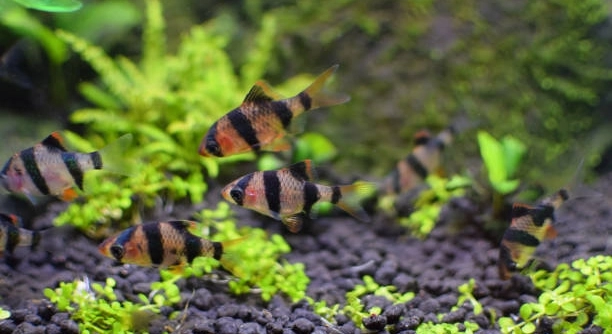
Tiger barbs are lively fish known for their strong social groups, called hierarchies. These structures keep order and reduce conflict among them. However, certain changes in their environment or behavior can disrupt this balance.
Various factors can upset tiger barb hierarchies, including sudden changes in tank size, introduction of new fish, inconsistent feeding schedules, overcrowding, lack of hiding places, changes in water conditions, and stress caused by aggressive behavior. These elements interfere with their social stability.
Understanding what disturbs these social groups will help maintain a peaceful environment for your tiger barbs. Keeping their hierarchy stable is essential for their wellbeing and tank harmony.
Sudden Changes in Tank Size
Sudden changes in the size of a tiger barb’s tank can cause disruption in their social order. These fish are sensitive to their environment, and resizing their habitat—either shrinking or expanding it quickly—can unsettle their established hierarchy. When space is reduced, competition for territory and resources intensifies, leading to increased aggression. On the other hand, a rapid increase in tank size may confuse them as their usual boundaries disappear, making it difficult to maintain order. Gradual adjustments help fish adapt better and keep their social structure intact. Maintaining a consistent environment supports their natural behavior and reduces stress levels.
When the tank size changes suddenly, tiger barbs often become more aggressive and restless. This results in broken hierarchies and a stressful atmosphere within the group.
It’s important to plan tank changes carefully and introduce any adjustments slowly. Providing plenty of hiding spots and familiar landmarks can help ease the transition. Monitoring fish behavior during and after the change allows timely intervention if aggression increases. Creating a stable environment supports healthier, calmer fish and preserves the social balance.
Introduction of New Fish
Adding new fish to a tiger barb tank often upsets the established hierarchy. The newcomers challenge existing ranks, triggering fights and stress among the group. This disruption can last for days or weeks.
New fish introduce uncertainty and competition. Tiger barbs naturally establish social ranks through displays and sometimes aggression. When new individuals arrive, they are often seen as threats or rivals. This unsettles the previous order, forcing fish to reestablish dominance. The result can be increased chasing, nipping, and stress, which weakens immune systems and raises the risk of injury. It’s best to introduce new fish slowly and in small numbers, allowing the group to adjust gradually.
Sometimes separating newcomers temporarily with a divider can reduce direct conflict. Ensuring plenty of hiding spots also helps fish escape tension. Observing interactions closely lets you act if aggression becomes harmful. Maintaining patience during this adjustment period is key to restoring peace.
Overcrowding in the Tank
Too many tiger barbs in one tank increases competition for space, food, and territory. Overcrowding raises stress and encourages aggressive behavior.
When the tank is overcrowded, each fish has less room to swim and establish its place. Confined space leads to constant encounters, which escalates tension and frequent fights. Limited resources cause fights over food and shelter. Overcrowding also lowers water quality, making the fish more vulnerable to disease and stress. This combination can break down social structures and lead to injury or death. Keeping a proper number of tiger barbs based on tank size prevents these issues and promotes harmony.
Providing enough space is essential for their wellbeing. The recommended number of tiger barbs per gallon helps maintain balance. If overcrowding occurs, removing some fish or upgrading the tank size can restore order. Regular tank maintenance improves water quality and reduces stress. A balanced environment supports a stable hierarchy and healthier fish overall.
Inconsistent Feeding Schedules
Feeding tiger barbs irregularly can cause stress and disrupt their social order. Uneven access to food may lead to competition and aggression among the group.
Regular feeding times help reduce anxiety and keep peace within the tank. Consistency supports a stable hierarchy where all fish know when to expect food.
Lack of Hiding Places
Without enough hiding spots, tiger barbs feel exposed and vulnerable. This increases tension and aggressive behavior in the tank.
Hiding places allow fish to retreat and avoid conflict. Plants, rocks, and decorations create safe zones that reduce stress and help maintain social balance.
Changes in Water Conditions
Sudden shifts in water temperature, pH, or cleanliness can unsettle tiger barbs. These changes increase stress and aggression, damaging their established hierarchy.
FAQ
What causes tiger barbs to become aggressive within their hierarchy?
Aggression among tiger barbs usually arises from competition over territory, food, or mates. Changes in their environment, such as overcrowding or introducing new fish, also increase stress and tension. When the balance is disturbed, they display more chasing, nipping, and fighting as they try to reestablish ranks.
How can I reduce aggression in my tiger barb tank?
Maintaining a stable environment with enough space, consistent feeding, and hiding spots helps reduce aggression. Introducing new fish gradually and monitoring water conditions also supports calm behavior. Ensuring the tank is not overcrowded and keeping water parameters stable will keep the hierarchy peaceful.
How many tiger barbs should I keep together?
Tiger barbs are schooling fish and do best in groups of six or more. This number allows their natural social behaviors to develop properly. However, tank size is important: a 30-gallon tank or larger is recommended for six tiger barbs to prevent overcrowding and reduce stress.
What happens if I add new fish suddenly?
Sudden introduction of new fish disrupts the existing social order. The established group may become aggressive to defend their ranks, leading to fights. It’s best to introduce newcomers slowly, using a divider if needed, so the fish can adjust without excessive conflict.
Are hiding places necessary for tiger barbs?
Yes, hiding places are important. They provide refuge during conflicts and reduce stress. Plants, caves, and decorations give fish spots to retreat and avoid aggression. Without these, stress levels rise, which can weaken their immune system and worsen fighting.
Can changes in water conditions affect the hierarchy?
Absolutely. Sudden changes in temperature, pH, or water quality cause stress, making tiger barbs more aggressive and less tolerant of each other. Consistent water testing and regular maintenance help keep conditions stable and reduce hierarchy disruptions.
How does feeding affect social structure?
Inconsistent feeding causes competition and fighting, as fish rush to get food. Regular feeding schedules reduce tension, allowing fish to know when and where to expect food. This consistency supports a calmer, more stable group dynamic.
What signs indicate a broken hierarchy?
Signs include increased chasing, constant nipping, damaged fins, and fish hiding excessively. Prolonged aggression and stress can lead to illness. Observing these behaviors early allows for quick adjustments to restore balance.
Is it normal for tiger barbs to nip fins?
Some fin-nipping is normal as part of establishing dominance, but excessive or damaging nipping signals problems. It often results from overcrowding, lack of hiding spots, or stress. Addressing these factors reduces harmful behavior.
Can hierarchy problems harm the fish long-term?
Yes, persistent stress and fighting weaken fish immune systems, making them more prone to disease. Injuries from aggression can also lead to infections. Maintaining a peaceful hierarchy is key for long-term health and happiness.
Final Thoughts
Maintaining a stable hierarchy among tiger barbs is important for their wellbeing and overall tank health. These fish rely on social order to reduce stress and prevent excessive fighting. When their environment or routine is disturbed, their natural balance can break down. This often leads to aggression and tension within the group. Paying close attention to factors that upset their social structure can help keep your tiger barbs calm and healthy. Simple steps such as avoiding overcrowding, keeping feeding schedules consistent, and providing plenty of hiding spots contribute greatly to stability.
Changes in tank conditions should always be made gradually to avoid upsetting the fish. Sudden shifts in water quality, temperature, or tank size can cause confusion and stress, leading to disorder in their social ranks. Introducing new fish requires patience and care to allow existing members time to adjust. When aggression arises, it is important to observe behavior closely and make any necessary adjustments to the environment. This will support the reestablishment of a peaceful hierarchy. Over time, with steady conditions and thoughtful care, tiger barbs will regain their balance.
Understanding these key points about what affects tiger barb hierarchies helps create a more harmonious aquarium. It supports the fish’s natural behavior and prevents many common problems. A calm group of tiger barbs is easier to care for and more enjoyable to watch. Consistency, space, and attention to their needs go a long way in maintaining peace within the tank. Keeping their environment stable benefits not only the fish but also the overall health of the aquarium ecosystem.

Hello,
If you enjoy the content that we create, please consider saying a "Thank You!" by leaving a tip.
Every little bit helps us continue crafting quality advice that supports the health, happiness, and well-being of pets around the world, for pets of all shapes, sizes, and species.
We really appreciate the kindness and support that you show us!