
Are your tiger barbs acting strangely or showing signs of stress, even though their tank seems clean and well-maintained? You might be feeding them less than they actually need, which can affect their overall health.
Underfeeding tiger barbs can lead to issues such as lethargy, aggressive behavior, stunted growth, and weakened immune systems. These signs often indicate nutritional deficiencies, and addressing them promptly is essential for maintaining a healthy, active aquarium environment.
Understanding these subtle signs helps you make better feeding decisions and keep your tiger barbs vibrant, healthy, and active every day.
Lethargy and Slow Movement
Tiger barbs are known for their lively, fast-paced swimming behavior. When they suddenly become sluggish or spend more time near the bottom of the tank, it’s often a clear sign something isn’t right. Underfeeding can reduce their energy levels and limit essential nutrients that support muscle activity and movement. These fish burn energy quickly and need consistent access to food rich in protein and vitamins. Without it, they begin to slow down, appear tired, and may avoid interacting with other fish. While occasional rest is normal, persistent lethargy should not be ignored. It’s important to watch for changes in their daily activity and ensure they are getting a balanced diet to stay active and alert.
Reduced movement may signal low energy due to lack of nutrients. A proper feeding schedule can often restore their natural liveliness.
When feeding tiger barbs, focus on offering small, frequent meals throughout the day. A once-daily feeding might not be enough, especially in active tanks. These fish do best with a varied diet that includes high-quality flakes, pellets, and the occasional live or frozen treat such as brine shrimp or bloodworms. Rotate their food sources regularly to ensure a wide range of nutrients. Over time, you’ll notice improved activity and more interaction in the tank. Tiger barbs are social and thrive when they’re well-fed and have enough energy to engage with each other. If a fish remains isolated or continues to move slowly despite better feeding, consider checking water parameters or signs of illness to rule out other concerns.
Visible Weight Loss
A thin, almost bony appearance is a strong sign your tiger barbs are underfed. You may notice sunken bellies or less definition in their body shape compared to their usual form.
Weight loss usually happens gradually when fish are not receiving enough nutrients over time. Underfeeding causes their body to break down stored fats and proteins, resulting in a thinner frame. Tiger barbs should appear plump but not bloated. If their body starts to narrow, especially around the midsection, they may not be eating enough. This can be more noticeable when viewing the fish from above. Younger barbs are especially vulnerable since they need steady nutrition for growth. To help them regain a healthy size, increase feeding frequency and include protein-rich foods. Keep an eye on how much food is being consumed at each feeding. Uneaten food may point to other issues like stress or bullying during meal times. Healthy tiger barbs eat quickly and show excitement during feedings.
Aggressive Behavior Toward Tankmates
When tiger barbs are underfed, they may start nipping at fins or chasing other fish more often. Hunger can increase tension in the tank and lead to more frequent, aggressive interactions.
Feeding issues can trigger this behavior because hungry tiger barbs become more irritable and competitive over limited food. This is especially true in schools with too few members, where one or two barbs become dominant. While some fin-nipping is normal for this species, increased aggression that happens right before or after feeding times often points to hunger. Over time, this stress can wear down the fins and health of other fish in the tank. Try feeding small portions twice a day and include a protein-rich food to help reduce competition. You may also notice an improvement in group behavior when each fish gets enough to eat without rushing or fighting for every bite.
To prevent aggression, make sure all fish get their fair share during feeding. Use sinking pellets or spread food across the tank so dominant barbs don’t take it all. Keep the group to at least six individuals to limit bullying and encourage natural schooling behavior. Underfed barbs often act out, but proper nutrition helps stabilize their moods and behavior. If aggression continues despite better feeding, check for overcrowding or poor water quality. Sometimes hunger and stress go hand-in-hand. Keep monitoring their behavior and watch how they interact at mealtimes. You’ll quickly learn which feeding routines work best for your tank’s dynamic and reduce aggression through better care.
Faded Colors and Dull Appearance
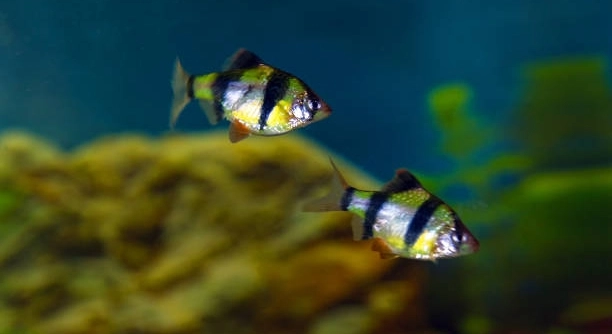
Tiger barbs usually have bright stripes and vibrant orange fins. When underfed, their colors can start to fade. This dull appearance often means they aren’t getting enough nutrients to maintain healthy pigmentation and overall vitality.
A proper diet rich in protein and color-enhancing ingredients can bring their colors back. Foods like spirulina flakes, brine shrimp, or daphnia support strong coloration and help them look healthy again.
Reduced Interest in Feeding
A tiger barb that loses interest in food might already be suffering from prolonged underfeeding. As their energy reserves drop, so does their appetite. This can create a cycle where they eat even less, causing more health problems. Start by offering smaller, protein-rich meals to reintroduce feeding. Stick to a schedule so they learn when to expect food. Look for signs of interest, like chasing the food or staying near the top when you approach. If the fish continues to ignore food, check tank conditions, as stress and poor water quality can also reduce appetite. A calm environment and routine help them recover gradually.
Unusual Hiding and Isolation
Tiger barbs are naturally active and social. When they start hiding more or separate from their group, it may signal low energy from underfeeding. They might stay near plants or corners to conserve energy.
FAQ
How often should I feed tiger barbs?
Tiger barbs should be fed 2–3 times a day in small amounts they can finish within two minutes. Feeding more than once helps maintain steady energy levels and reduces aggression caused by hunger. Stick to a schedule to help them expect food at consistent times. Overfeeding should still be avoided, as it can lead to water quality issues. If food is left uneaten, reduce the portion size. Small, frequent meals are healthier than large, infrequent ones and support better digestion and activity.
What type of food is best for tiger barbs?
A varied diet works best. High-quality flakes or pellets should be the base, but you should also offer protein-rich foods like bloodworms, brine shrimp, or daphnia. Vegetable matter like spirulina flakes is also useful for color and digestion. Frozen and live foods help mimic their natural diet and boost health. Avoid feeding only one type of food for long periods. Switching up meals keeps them interested and ensures they get a balance of nutrients. Rotation is key for long-term well-being.
Can underfeeding affect tiger barb behavior?
Yes, underfeeding can cause tiger barbs to become aggressive or lethargic. They may nip fins, fight for food, or isolate themselves. When hungry, their natural energy levels drop, and they may act out of frustration or competition. This behavior can disrupt the tank and stress other fish. Proper feeding helps regulate mood and supports more peaceful group dynamics. Always observe their behavior during feeding times to spot signs of food-related stress early.
What does a healthy tiger barb look like?
Healthy tiger barbs are active, have bright colors, and swim in groups. Their bodies should be full, not sunken or thin. You’ll notice clear stripes and vibrant orange on their fins. They chase each other playfully and show excitement during feeding. If your fish appears pale, sluggish, or isolated, it may not be getting enough nutrition. A healthy appearance often reflects a proper diet and a well-maintained tank environment.
Why are my tiger barbs hiding more than usual?
Excessive hiding is sometimes linked to underfeeding. When energy is low, they may stop socializing and rest more. Poor nutrition can weaken their immune system, making them more sensitive to stress or changes in the tank. If water parameters are fine and tank mates are peaceful, consider reviewing your feeding routine. Restoring their diet can help them regain confidence and return to their usual active behavior. Hiding is often one of the first subtle signs of a problem.
Can underfeeding make my tiger barbs sick?
Yes, underfeeding can lead to weakened immunity, making your tiger barbs more prone to illness. Without enough vitamins and nutrients, they can’t fight off infections as easily. Common issues like fin rot, ich, or internal parasites are more likely to affect a fish with poor nutrition. Regular, balanced feeding supports immune health and helps prevent disease. If your fish are getting sick often, consider whether their diet is varied and nutritious enough. It’s a key part of preventive care.
Is it possible to overfeed after underfeeding?
Yes, it’s important not to overcompensate by feeding too much at once. After a period of underfeeding, introduce regular meals gradually. Start with small portions and work up to the recommended frequency. Sudden large meals can lead to bloating or digestive issues. Your fish may act overly eager at first, so it’s tempting to give more, but consistency matters more than quantity. A balanced approach will help them recover without stressing their system.
How long does it take to notice improvements after fixing their diet?
Most fish begin to show signs of improvement within a week or two. You’ll see more activity, brighter colors, and better social behavior. Appetite usually returns quickly once they’re getting enough food. Physical changes like weight gain or fin healing may take a little longer. Stick with a steady routine and keep monitoring progress. Consistency in feeding and tank conditions makes a noticeable difference. If there’s no improvement after two weeks, check for other health concerns or stressors in the environment.
Final Thoughts
Feeding your tiger barbs the right amount is essential for their health and behavior. These fish are active and social, so they need steady nutrition to support their energy levels. When they are underfed, signs can show up slowly and may be easy to miss at first. Faded colors, weight loss, aggression, hiding, and reduced appetite are all signs that should not be ignored. Paying close attention to how your fish act and look will help you spot these changes early. Small adjustments to their feeding routine can make a big difference in how they feel and interact with the rest of the tank.
Consistency is one of the most important parts of proper feeding. Feeding them once a day may not be enough, especially for younger or more active fish. Try offering food in small amounts two to three times a day. Make sure the food is gone within a couple of minutes and check that all fish are able to eat, not just the fastest or most dominant ones. Choose a variety of high-quality foods to keep their diet balanced. Use flakes, pellets, and occasional protein-rich treats to give them the nutrients they need. A well-fed tiger barb will show bright colors, strong movement, and natural group behavior.
By watching your fish closely and adjusting their care as needed, you’ll help them stay active, healthy, and happy in their environment. A balanced diet not only supports their growth and color but also reduces stress and the chances of illness. Keeping your feeding routine steady and offering the right type and amount of food will go a long way in keeping your tank peaceful. Every fish in your tank deserves proper care, and small efforts each day can prevent bigger issues in the future. When tiger barbs are fed well, they thrive—and watching them move around with energy and interact with each other can be one of the most enjoyable parts of keeping an aquarium.

Hello,
If you enjoy the content that we create, please consider saying a "Thank You!" by leaving a tip.
Every little bit helps us continue crafting quality advice that supports the health, happiness, and well-being of pets around the world, for pets of all shapes, sizes, and species.
We really appreciate the kindness and support that you show us!