
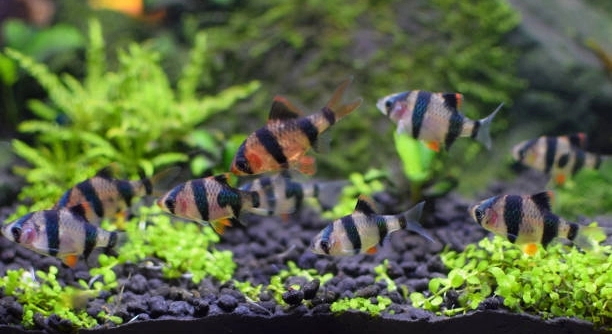
Tiger barbs are popular freshwater fish known for their lively colors and active behavior. However, many owners notice that these fish sometimes show aggressive tendencies, especially toward smaller or more passive tank mates. Managing this behavior is important for a peaceful aquarium.
Tiger barbs often display bullying behavior due to their natural schooling instincts and territorial nature. Controlling aggression involves adjusting tank conditions, providing adequate space, and ensuring balanced group dynamics to reduce stress and dominance struggles among the fish.
Learning how to create a harmonious environment for tiger barbs can improve the wellbeing of all your fish. These tips will help you maintain a calm and balanced aquarium community.
Understanding Tiger Barb Behavior
Tiger barbs are naturally active and social fish. They tend to form groups to feel secure, but their playful nature can turn aggressive when the group size is too small or the tank is overcrowded. When kept in insufficient numbers, they may single out weaker or slower fish, which can appear as bullying. Their territorial instincts also come into play, especially if there are limited hiding spots or cramped spaces in the tank. Observing their interactions closely helps identify when aggression is becoming harmful. It is important to create an environment that reduces competition and stress. Providing plenty of plants, rocks, or decorations offers shelter for timid fish, giving them places to escape. Keeping the right number of tiger barbs helps balance their social structure and lowers bullying incidents. Being mindful of these factors creates a calmer community where all fish can thrive without constant harassment.
Managing aggression starts with tank setup and group size. Proper conditions lead to healthier fish behavior.
Proper tank design is crucial. Hiding spots reduce stress and aggression among fish. Increasing group size helps lessen bullying.
Adjusting the Group Size
A smaller group of tiger barbs tends to focus their aggression on other fish, especially if there are fewer than six. Increasing their number to at least six allows them to spread out their attention and reduces the chance of bullying. A larger group promotes natural schooling behavior, which helps maintain social balance.
When introducing tiger barbs, ensure the tank is spacious enough to accommodate a larger group. This prevents overcrowding and aggressive displays caused by territorial disputes. A well-sized group will also be less likely to target other species. Regularly monitoring the tank helps detect early signs of aggression, so adjustments can be made promptly. Increasing group size combined with providing hiding places can greatly improve the tank’s harmony. These steps contribute to creating a healthier and more peaceful environment for all fish in the aquarium.
Providing Adequate Hiding Spots
Hiding places help reduce stress and bullying by giving shy or smaller fish safe spaces. They break up lines of sight and territories.
Plants, rocks, and decorations create natural barriers and shelter. These allow timid fish to retreat when chased, lowering bullying incidents. Dense planting and caves provide comfort and reduce direct aggression. Without enough hiding spots, weaker fish can be cornered easily, increasing stress and injury risks. Rearranging decorations periodically can also disrupt established territories and calm aggression. Adding floating plants helps diffuse light and creates shaded areas, offering additional refuge. Properly placed hiding spaces improve tank harmony by balancing territorial needs and reducing confrontations among tiger barbs and other fish.
Consistent tank maintenance keeps hiding spots effective and helps maintain peace among your fish.
Feeding Practices to Reduce Aggression
Feeding frequency and quantity directly affect tiger barb behavior. Overfeeding can increase aggression due to excess energy, while underfeeding may cause competition and bullying. Feeding small amounts multiple times a day helps maintain even energy levels and reduces food-related fights.
Using a varied diet with quality flakes, pellets, and occasional live or frozen food keeps tiger barbs healthy and satisfied. Distributing food evenly across the tank encourages all fish to eat without crowding in one area. Feeding during calm times, like early morning or evening, minimizes excitement and chasing behavior. Avoid leaving excess food, which can pollute water and increase stress. Proper feeding routines contribute to calmer behavior and lessen aggressive tendencies, helping create a peaceful environment for all tank inhabitants.
Maintaining Water Quality
Clean water helps keep fish healthy and reduces stress-induced aggression. Regular water changes and testing are essential.
Poor water conditions cause discomfort, making fish more likely to act aggressively. Maintaining proper temperature, pH, and ammonia levels supports a balanced environment for all tank inhabitants.
Using Tank Mates Wisely
Choosing compatible tank mates can minimize bullying. Avoid slow or long-finned fish that attract aggression from tiger barbs.
Tiger barbs prefer active, robust fish that can keep up with their energy and tolerate their nips. Suitable companions include danios, barbs, and larger tetras. Introducing species with similar activity levels reduces stress and helps maintain peace in the aquarium.
Rearranging the Tank Layout
Changing the arrangement of decorations and plants disrupts established territories and helps reduce bullying behavior.
Monitoring Behavior Closely
Consistently observing your fish allows you to catch and address aggression early, preventing harm.
FAQ
Why do tiger barbs bully other fish?
Tiger barbs are naturally active and territorial. Their behavior is influenced by their schooling instincts and competition for space and resources. When kept in small groups or overcrowded tanks, their aggression can increase as they establish dominance or defend territory. Stress and lack of hiding spots also contribute to bullying behavior.
How many tiger barbs should I keep to reduce aggression?
A group of at least six tiger barbs is recommended to reduce bullying. Larger groups spread out aggression and promote natural schooling, helping balance social interactions. Keeping fewer than six often results in aggression focused on other fish, while overcrowding can increase stress and fighting.
What are the best hiding spots for shy fish in a tiger barb tank?
Dense plants, rocks, caves, and decorations that create natural barriers work well. Floating plants add shaded areas for extra cover. Providing multiple hiding spots allows timid fish to escape bullying and reduces territorial disputes among tiger barbs. Rearranging these elements periodically can also disrupt established territories.
Can changing tank mates help stop tiger barbs from bullying?
Yes, choosing active, robust species helps reduce bullying. Slow or long-finned fish tend to attract aggression from tiger barbs. Ideal tank mates include danios, barbs, and larger tetras that can keep up with tiger barbs’ energy and tolerate their nipping behavior. Compatibility lowers stress for all fish.
Does feeding affect tiger barb aggression?
Feeding practices impact aggression levels. Overfeeding increases energy and excitement, which can lead to fighting. Underfeeding causes competition and bullying for food. Feeding small amounts multiple times daily, distributing food evenly, and offering a varied diet helps maintain calm behavior and reduces aggression.
How often should I change the water to keep aggression down?
Regular water changes, about 20-30% weekly, are important to maintain water quality. Poor water conditions cause stress, which increases aggression. Testing water parameters regularly for ammonia, nitrites, nitrates, and pH helps ensure a healthy environment that minimizes bullying behavior.
Will rearranging the tank decorations help with bullying?
Rearranging decorations breaks up established territories and can reduce aggression. Changing the layout forces fish to reestablish their space and can disrupt dominant behavior. This simple step often calms the tank and prevents one fish from consistently bullying others.
What signs indicate bullying is harming my fish?
Look for torn fins, faded colors, lethargy, or hiding more than usual. Injuries or signs of stress show bullying is severe. Promptly addressing the situation by adjusting tank conditions or separating aggressive fish is important to protect the health of all tank inhabitants.
Can I separate aggressive tiger barbs temporarily?
Yes, isolating aggressive individuals in a separate tank or breeder box for a short period can reduce bullying. This allows the rest of the group to regain balance. After the aggressive fish calm down, they can be reintroduced carefully while monitoring behavior closely.
Is it normal for tiger barbs to nip fins?
Yes, fin nipping is a natural behavior for tiger barbs. They use it to assert dominance or during play. However, excessive fin nipping indicates stress or overcrowding. Providing adequate group size, hiding spots, and compatible tank mates reduces harmful nipping.
These answers focus on practical steps to manage tiger barb aggression and maintain a peaceful aquarium. Understanding their behavior and needs helps create a balanced environment for all fish.
Tiger barbs are lively and colorful fish that add energy to any aquarium. However, their natural behavior sometimes leads to bullying other fish, which can cause stress and injury. Understanding why tiger barbs act this way is important for creating a peaceful tank. They are schooling fish that feel more secure in groups, and they use playful chasing and fin nipping to establish social order. When the group size is too small or the tank environment is crowded or lacks hiding spots, this behavior can become aggressive and harmful. Recognizing these signs early helps keep your fish safe and happy.
Managing tiger barb aggression requires attention to several key factors. Providing enough space and keeping at least six tiger barbs in the tank helps spread out their attention and reduces bullying. Adding plenty of hiding spots with plants, rocks, and decorations allows more timid fish to escape harassment. Feeding routines also play a role, as feeding small amounts multiple times a day prevents food competition that might trigger fights. Maintaining clean water and stable tank conditions reduces stress that can make fish more aggressive. Choosing compatible tank mates who can tolerate tiger barbs’ energy and fin-nipping behavior is also important for a harmonious community.
By focusing on these strategies, you can create a balanced environment where tiger barbs and other fish coexist peacefully. Regular observation helps catch problems before they become serious. Rearranging tank decorations and isolating aggressive individuals temporarily are useful tools when needed. While tiger barbs may always show some playful chasing and fin-nipping, the goal is to reduce harmful bullying to maintain the health and wellbeing of all fish. With proper care and attention, your aquarium can remain an enjoyable and lively space for every inhabitant.

Hello,
If you enjoy the content that we create, please consider saying a "Thank You!" by leaving a tip.
Every little bit helps us continue crafting quality advice that supports the health, happiness, and well-being of pets around the world, for pets of all shapes, sizes, and species.
We really appreciate the kindness and support that you show us!