
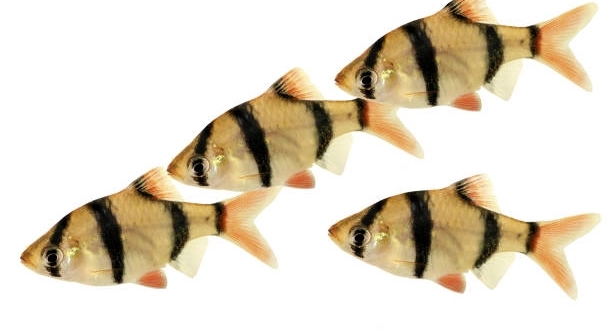
Is your barb tank struggling with high nitrate levels, making it harder to keep the water clean and your fish healthy?
The easiest way to lower nitrate in a barb tank is through regular water changes, reduced feeding, live plants, and proper filtration. These methods help maintain a stable environment and improve your fish’s overall well-being.
Learning how each of these methods works can make caring for your barb tank much easier and more rewarding in the long run.
Do Regular Water Changes
Changing the water in your barb tank is the most effective way to lower nitrate levels. Over time, nitrate builds up from uneaten food, waste, and decaying plants. A partial water change removes a portion of that buildup and brings in fresh, clean water. It’s best to replace about 25% to 30% of the water once a week. Make sure the new water is treated and matches the temperature of the tank to avoid stressing your barbs. Stick to a consistent schedule to keep nitrate levels under control. A simple bucket, siphon, and water conditioner are all you need. Regular changes also keep your tank clear and help your fish feel more comfortable. This small habit makes a big difference in their health and behavior. You’ll start noticing more active fish and better water quality without too much effort.
Weekly water changes also prevent algae growth and make tank maintenance easier over time.
Skipping water changes for too long allows nitrates to rise quickly. If your schedule is tight, even biweekly changes can still help. Make sure to monitor nitrate levels using test kits so you know when it’s time for a change. Water changes work best when done consistently and paired with other methods like feeding less or adding plants. Barbs respond well to clean, stable water, so this method helps them thrive and live longer. Once you make water changes a habit, keeping your tank balanced becomes second nature.
Cut Back on Feeding
Overfeeding is one of the fastest ways to raise nitrate in a barb tank. Uneaten food sinks and breaks down, adding to the waste in the water.
To avoid this, feed your barbs once or twice a day and give them only what they can finish in about two minutes. It might seem like they’re still hungry, but giving more food than they need can cause more harm than good. Floating or leftover food decays quickly, turning into waste that raises nitrate levels. Try to use high-quality pellets or flakes that don’t cloud the water. You can also skip feeding once a week to give the tank time to clear out any buildup. If you’re away often, consider an automatic feeder set on a low schedule. Keeping feeding under control not only reduces nitrate but also encourages your barbs to be more active and healthy. This habit supports better digestion and water quality.
Add Live Plants
Live plants naturally absorb nitrate as they grow, helping to reduce levels in your barb tank. Fast-growing plants like hornwort, water wisteria, and duckweed are especially helpful because they consume more nutrients quickly and require little maintenance.
Adding live plants not only lowers nitrate but also improves oxygen levels and provides shelter for your barbs. Floating plants can block some light, which may slow algae growth. Choose hardy plants that grow well in your tank’s lighting and temperature conditions. Trim them regularly so they stay healthy and continue to grow effectively. If your tank is heavily stocked, you may need more plants to see a real difference. Anchoring them in gravel or attaching them to driftwood gives them stability. Some people prefer low-maintenance plants like java fern or anubias, which are slower growing but still help. A mix of floating and rooted plants gives the best coverage.
If you’re new to planted tanks, start small and watch how your tank responds. You may notice that nitrate levels drop steadily over time as your plants adjust and grow. Make sure to avoid overplanting too quickly, which can throw off your tank’s balance. Monitor plant health and water parameters weekly. Healthy plants are typically bright green and firm to the touch. If leaves begin turning yellow or translucent, you may need to adjust lighting or add liquid fertilizers made for aquariums. Keep in mind that while plants help a lot, they work best alongside other nitrate-reducing habits.
Clean Your Filter Media
Cleaning your filter media removes trapped waste that would otherwise break down and increase nitrate levels. Avoid cleaning everything at once, as this can remove helpful bacteria that keep your tank stable.
Rinse the filter media in old tank water, not tap water, to protect beneficial bacteria. Do this every 2–4 weeks depending on how dirty the filter looks. Don’t scrub too hard—just enough to remove the sludge and debris. If you’re using sponge filters, squeeze them gently. For canister filters or hang-on-back types, clean the mechanical and biological parts on separate days. Replace chemical media like activated carbon monthly if you use it. Check the flow rate often. If the water isn’t circulating well, your filter might be clogged. Good water flow helps keep waste from settling and becoming a problem later. A clean, well-functioning filter supports every other effort you make to reduce nitrate.
Vacuum the Substrate
Debris and waste settle into the gravel, slowly breaking down and raising nitrate levels. Using a gravel vacuum during water changes helps remove this buildup. Focus on areas under decorations and plants where waste tends to collect more quickly.
Clean the substrate once a week or every other week, depending on how much waste your tank produces. Avoid disturbing the entire substrate all at once. Cleaning in sections helps protect the beneficial bacteria living there.
Reduce Stocking Levels
Keeping too many fish in your tank increases waste production, leading to higher nitrate. If your tank feels crowded, consider rehoming a few barbs or upgrading to a larger tank. A balanced stocking level makes water easier to manage. Stick to general guidelines—about one inch of fish per gallon.
Improve Water Circulation
Proper circulation helps distribute oxygen and nutrients while moving waste toward the filter. Add a small powerhead or adjust your filter’s outflow to create better movement. Barbs enjoy moderate flow, and improved circulation keeps the tank cleaner and more balanced.
FAQ
How often should I test nitrate levels in my barb tank?
Testing nitrate levels weekly is recommended to maintain a healthy environment. Regular testing helps you catch rising nitrate early before it affects your fish. Test kits are easy to use and affordable, allowing you to monitor water quality closely and adjust maintenance routines as needed.
Can I lower nitrate by changing only 10% of the water?
Changing only 10% of the water can reduce nitrate slightly but is usually not enough to keep levels low over time. A 25–30% water change is more effective for significant nitrate reduction. Smaller changes may be useful between larger changes but should not replace them.
Will adding more plants solve nitrate problems completely?
While live plants absorb nitrate, they rarely eliminate it entirely on their own. Plants work best as part of a balanced approach including regular water changes, proper feeding, and good filtration. Over-relying on plants alone may leave nitrate levels higher than desired.
How can I tell if nitrate is too high for my barbs?
Nitrate above 40 ppm can stress barbs and increase disease risk. Signs include sluggish behavior, loss of appetite, and faded colors. Testing is the best way to know nitrate levels, as fish may not show symptoms until levels become harmful.
Is it harmful to clean the filter too often?
Cleaning the filter too frequently or using tap water can kill beneficial bacteria, causing nitrate and ammonia spikes. Rinse filter media gently in tank water only and clean sections at intervals to preserve helpful bacteria.
Does overfeeding directly raise nitrate levels?
Yes, uneaten food breaks down into waste that converts to nitrate. Feeding small amounts that fish consume fully keeps nitrate lower and supports water clarity.
Can nitrate levels spike suddenly?
Yes, nitrate can rise quickly after missed water changes, overfeeding, or when filter media becomes clogged. Sudden spikes are stressful for fish and should be addressed promptly with water changes and maintenance.
Are there chemicals to remove nitrate from the tank?
Some products claim to remove nitrate quickly but often only mask the problem temporarily. They should not replace regular maintenance and water changes. Long-term control relies on consistent care and a healthy tank ecosystem.
What role does tank size play in nitrate control?
Larger tanks dilute nitrate more effectively and offer a more stable environment. Smaller tanks can see nitrate rise faster, so frequent care and monitoring are more critical.
Is it okay to feed barbs freeze-dried or frozen food?
Yes, freeze-dried and frozen foods are good supplements but should be fed in moderation. Excess uneaten portions can add to nitrate buildup if not removed promptly. Rotate feeding types to ensure balanced nutrition.
How important is substrate choice in managing nitrate?
Fine gravel or sand traps debris differently. Regular vacuuming is important regardless of substrate type to prevent nitrate buildup. Some substrates support beneficial bacteria, aiding nitrate conversion but do not eliminate nitrate completely.
Can barbs tolerate nitrate up to 20 ppm?
Nitrate below 20 ppm is generally safe for barbs and typical in well-maintained tanks. Keeping nitrate consistently low promotes stronger immune systems and better coloration.
Is tap water safe to use for water changes?
Tap water must be treated with a water conditioner to remove chlorine, chloramine, and heavy metals. Untreated tap water harms fish and beneficial bacteria. Always match water temperature and parameters as closely as possible.
How can I prevent nitrate from rising after a water change?
Avoid overfeeding and keep up with regular maintenance. Check filter function and avoid disturbing substrate too much during changes. A balanced routine keeps nitrate stable.
Does adding driftwood or decorations affect nitrate levels?
Driftwood and decorations can trap debris, increasing nitrate if not cleaned regularly. However, they provide shelter and reduce stress for barbs. Clean decorations during water changes to prevent buildup.
Are barbs sensitive to sudden water parameter changes?
Yes, barbs prefer stable conditions. Sudden shifts in nitrate or other parameters can cause stress and illness. Make changes gradually and monitor water quality closely.
Maintaining low nitrate levels in your barb tank is essential for keeping your fish healthy and the environment stable. High nitrate can cause stress and make your barbs more prone to disease. The good news is that managing nitrate doesn’t have to be complicated or time-consuming. Simple habits like regular water changes, controlled feeding, and adding live plants all work together to keep nitrate in check. These steps not only improve water quality but also create a more natural and comfortable home for your barbs.
Consistency is key when it comes to nitrate control. Skipping water changes or feeding too much can quickly cause nitrate levels to rise. Testing your water regularly gives you a clear picture of what’s happening inside the tank. It helps you make informed decisions about when to clean the filter, vacuum the substrate, or adjust feeding amounts. Using a combination of methods ensures that nitrate doesn’t build up to harmful levels. Over time, these efforts will become part of your routine and make caring for your barb tank easier and more rewarding.
While nitrate is an important factor in aquarium health, it’s just one part of a bigger system. Good filtration, proper stocking, and attention to water circulation also contribute to a balanced tank. Each element supports the others and helps create a thriving environment for your fish. With patience and steady care, you can enjoy a vibrant barb tank that looks great and feels healthy for your fish. Maintaining low nitrate is a practical step toward that goal, making your aquarium a better place for both you and your barbs.

Hello,
If you enjoy the content that we create, please consider saying a "Thank You!" by leaving a tip.
Every little bit helps us continue crafting quality advice that supports the health, happiness, and well-being of pets around the world, for pets of all shapes, sizes, and species.
We really appreciate the kindness and support that you show us!