
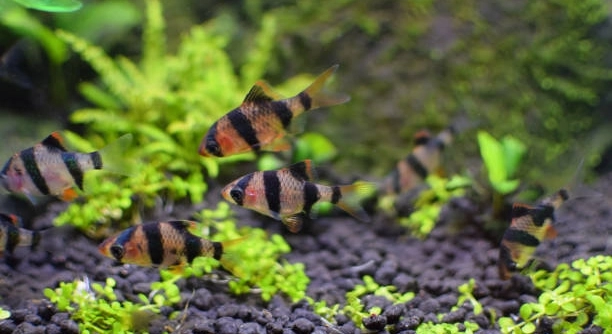
Have you ever noticed your tiger barbs acting restless or hiding behind tank decorations more often than usual? Their behavior can reveal important clues about what they need in their environment to feel safe and secure.
Tiger barbs do like hiding spots, as these provide security and reduce stress in their environment. Including plants, caves, or other decorations allows them to explore freely while also offering a retreat when they feel threatened or overwhelmed.
A well-decorated tank can make a big difference in how comfortable and active your tiger barbs feel each day.
Why Hiding Spots Matter for Tiger Barbs
Tiger barbs are active fish that enjoy social interaction, but they also need places where they can feel secure. In a tank without hiding spots, these fish can become stressed or aggressive, especially when housed in groups. Hiding places help balance their energetic nature by offering moments of rest and privacy. When fish are provided with caves, driftwood, or dense plants, they’re more likely to show healthy behavior and remain peaceful with their tank mates. This simple setup change supports both their physical health and social behavior. Over time, you’ll likely notice a calmer tank and brighter colors, which often reflect a fish’s comfort level. Hiding spots aren’t just about aesthetics—they serve a real purpose in supporting the natural habits of tiger barbs in a home aquarium.
When fish feel secure, they eat better, swim more confidently, and show less aggression toward other tank inhabitants.
Providing hiding areas doesn’t mean your fish will stay out of sight all the time. It gives them control over their space, which makes them feel safe. They’re likely to explore more and interact with their environment when they know they can retreat if needed.
Best Types of Hiding Spots for Tiger Barbs
Tiger barbs enjoy structure in their habitat, but not all hiding spots work the same.
Use natural items like live plants, rocks, and driftwood to create shaded areas and narrow spaces. Silk plants are also a good option if you’re not ready for live ones. Caves or small tunnels made for fish tanks can offer a private place to rest. Avoid anything with sharp edges, as barbs are active swimmers and may hurt themselves while darting around. Spread hiding areas throughout the tank rather than clustering them in one spot. This reduces territorial behavior and allows multiple fish to feel secure at once. You should also avoid hiding spots that are too small—make sure they’re wide enough for the fish to enter and exit without getting stuck. Keep the tank well-lit but include shaded zones so the barbs can choose when to hide. Adding these simple elements can make a big difference in their behavior and overall well-being.
How Hiding Spots Affect Tiger Barb Behavior
Tiger barbs become more relaxed and show natural behavior when they have access to hiding places. These spots help them avoid stress, which lowers the chance of aggression and improves their overall activity in the tank.
Without hiding spots, tiger barbs can become territorial and nippy, especially when kept in small groups. They may chase or harass each other more frequently, leading to injuries or stress. When given shelter, the aggression levels drop noticeably. They’ll still remain active and playful but will use the hiding areas as rest zones or safe spaces after minor conflicts. You’ll notice more balanced interactions, and their movements will seem more purposeful. It’s a simple way to help them feel in control of their space while reducing tension among the group.
In tanks with hiding spots, tiger barbs often appear more colorful and confident. Stress dulls their natural patterns, and constant exposure to bright lighting or open space can make them feel exposed. Providing shaded areas or plants lets them recharge and feel secure. These resting spots help balance their high energy, leading to a healthier routine. It also encourages schooling behavior, as fish that feel safe tend to stay together and move calmly through the tank.
How Many Hiding Spots Should You Add?
A small tank should include at least two to three hiding areas, while larger tanks can support even more. Spread them evenly so all fish can access one.
In a community tank, aim to create multiple types of hiding spaces—some at the bottom, others in the middle or near the surface. This helps distribute traffic and prevents crowding. Try mixing live or silk plants with caves or driftwood, allowing each tiger barb to find a spot it prefers. If you notice one fish chasing others away from a certain area, add more shelters to prevent territorial behavior. Make sure each hiding spot is roomy enough for the fish to enter and turn around. Also, keep an eye on water flow—spots that are too close to filters might not feel secure to the fish. When in doubt, more variety is better than just adding duplicates of the same item.
When to Add More Hiding Spots
If your tiger barbs are chasing each other more than usual or staying near the corners of the tank, it may be time to add more hiding places. These signs often show they’re feeling stressed or overcrowded.
Another sign is dull coloration or a loss of appetite. These changes can mean they don’t feel safe. Adding extra shelter can help bring back normal behavior and reduce tension in the tank.
Do Hiding Spots Impact Other Fish?
Hiding spots don’t just help tiger barbs—they support other tank mates too. Peaceful fish benefit from shaded areas, while territorial fish become less aggressive when space is divided. Adding cover also gives bottom dwellers a place to rest without being disturbed. A balanced layout helps all fish feel more secure.
Keep Decorations Safe and Clean
Choose decorations made for aquariums and clean them regularly. Sharp or untreated items can harm your fish or release unsafe materials into the water.
FAQ
Do tiger barbs need hiding spots if they’re in a large group?
Yes, even in large groups, hiding spots are important. Tiger barbs are schooling fish, and having others around does reduce some stress. However, shelter gives them a place to retreat when needed. Group size helps balance aggression, but it doesn’t replace the benefits of having places to hide. Without these spots, even a group of barbs can become tense, especially during feeding times or territory disputes. A few simple decorations can prevent bullying and help each fish feel more at ease. Both space and cover are needed to maintain a peaceful tank.
What are good materials to use for DIY hiding spots?
Use smooth river rocks, PVC pipes, or ceramic pots that have been cleaned and are safe for aquarium use. Make sure they don’t have sharp edges or coatings that could affect water quality. Terra cotta pots are often used after rinsing them well. Natural driftwood and boiled cholla wood are also safe, though they may slightly darken the water. Avoid plastic items not made for tanks, as they can release toxins. If you choose to use items from nature, clean them thoroughly and monitor your water closely. Safe materials make a big difference in keeping your fish healthy.
Can too many hiding spots make the tank look messy?
Yes, it’s possible. Overcrowding your tank with decorations can block swimming space and affect water flow. It can also make the tank harder to clean. The goal is to balance open areas with covered zones. Choose decorations that blend well with your setup and space them out evenly. Try using natural-looking materials that fit the scale of your tank. A mix of plants, wood, and caves can look organized while still giving your fish enough shelter. A clean layout helps you keep track of fish health and makes the tank more enjoyable to look at.
Do hiding spots affect tank cleaning or water flow?
They can, but only if placed without planning. Larger items near the filter intake can block water movement or cause debris to gather. This can lead to cloudy water or poor circulation. To avoid this, leave space between decorations and the filter or heater. Use a siphon to clean around hiding spots during water changes. Decorations shouldn’t rest directly on substrate that traps waste. Spread items throughout the tank to reduce buildup in one area. A well-planned layout keeps both your fish and your equipment working properly, without adding too much cleaning time.
Should I change or move hiding spots over time?
It depends on the fish. Some tiger barbs adapt well to minor changes, while others may become stressed if their space is altered too often. If you notice increased aggression or hiding after a layout change, consider returning it to how it was. However, if fish seem bored or inactive, adjusting decorations can re-engage them. Rearranging the tank can also break up territory claims, which helps reduce bullying. Just avoid major changes all at once. Introduce new items gradually and watch how the fish respond. Small updates are safer and easier for them to accept.
Do hiding spots help during breeding?
Yes, but tiger barbs aren’t known for strong parental care. They often scatter eggs and don’t guard them. However, plants and hiding areas help protect eggs from being eaten right away. Fine-leaved plants, moss, or spawning mops are commonly used. Hiding spots also allow females to escape male attention after spawning. While it won’t ensure survival of every egg, it increases the chances that some may hatch. If you plan to breed barbs seriously, consider setting up a separate breeding tank with plenty of cover and remove the adults after spawning to protect the eggs.
Final Thoughts
Tiger barbs are active, social fish that do best in tanks that offer both open swimming space and places to hide. While they enjoy being in groups, they still need shelter to feel fully secure. Hiding spots help reduce stress, encourage natural behaviors, and support better health. These areas give the fish a chance to rest, escape if needed, and explore the tank with more confidence. Even if they don’t always use the hiding places, knowing they’re there helps create a stable, calm environment.
Adding hiding spots doesn’t need to be difficult. A mix of plants, caves, driftwood, or other safe decorations is enough to provide variety and comfort. It’s important to place these items in different parts of the tank so that all the fish have access. Be sure to avoid sharp objects and always choose materials made for aquarium use. You don’t have to fill the tank with decorations—just enough to give the fish options. The goal is balance, where your tiger barbs can swim freely and still feel protected.
Whether you are just starting with tiger barbs or have kept them for a while, it’s worth taking the time to improve their tank setup. Hiding spots are a simple way to reduce problems like aggression and stress. Over time, you’ll likely notice brighter colors, calmer behavior, and a more active group of fish. These changes show that your fish are comfortable in their home. Making their environment feel safe helps support long-term health and keeps your tank more peaceful overall.

Hello,
If you enjoy the content that we create, please consider saying a "Thank You!" by leaving a tip.
Every little bit helps us continue crafting quality advice that supports the health, happiness, and well-being of pets around the world, for pets of all shapes, sizes, and species.
We really appreciate the kindness and support that you show us!