
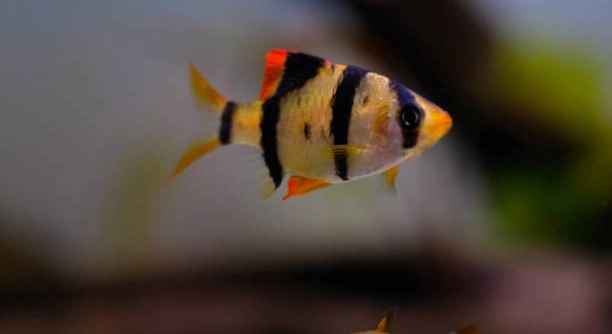
Tiger barbs are popular aquarium fish known for their bright colors and lively behavior. Sometimes, their eyes may start to look cloudy, which can be worrying for fish keepers. Understanding what causes this can help in keeping these fish healthy.
Cloudy eyes in tiger barbs usually result from poor water quality, bacterial infections, or physical injury. These factors can damage the eye’s surface, leading to cloudiness and impaired vision if left untreated. Prompt care is essential to prevent worsening conditions.
Knowing the causes of cloudy eyes helps you take better care of your fish and prevent future problems from developing.
Causes of Cloudy Eyes in Tiger Barbs
Cloudy eyes in tiger barbs often start with poor water conditions. High ammonia, nitrite, or nitrate levels irritate the fish and weaken their immune system. Dirty tanks can also encourage bacteria and fungi growth, which can infect the eyes. Injuries are another common cause. Tiger barbs are active swimmers and sometimes bump into sharp decorations or other fish, leading to scratches or wounds. These injuries can quickly become infected if not treated properly. Stress also plays a role, as stressed fish are more vulnerable to infections and health problems. Monitoring water quality regularly and maintaining a clean environment are essential steps. Watching how your fish interact and swim helps catch early signs of damage before it worsens.
Water quality is the most important factor in preventing cloudy eyes. Without clean water, infections are much more likely to develop.
Keeping your tank clean and injury-free requires consistent care and attention. Regular water changes, proper filtration, and safe decorations help maintain a healthy habitat for your tiger barbs. Ensuring a balanced diet and avoiding overcrowding also reduce stress, supporting better immune health. If you notice cloudy eyes, check water parameters immediately and isolate any injured fish to prevent spread. Quick action can save your fish’s vision and improve their quality of life.
Treatment and Prevention
Treating cloudy eyes involves improving tank conditions and sometimes using medication.
Once the source is identified, the right treatment can begin. First, test the water and perform a partial water change to reduce harmful chemicals. If infection is suspected, antibacterial or antifungal medicines available at pet stores can help clear it up. Injuries need to be kept clean and monitored closely for signs of healing or worsening. Avoid adding new fish until the problem is resolved to prevent spreading infection. Good tank hygiene, regular water checks, and gentle handling go a long way in prevention. Keeping the environment stable reduces stress and helps tiger barbs maintain strong health and clear eyes. Prevention is always easier than treatment, so consistency is key.
Common Water Quality Issues
Poor water quality often causes cloudy eyes in tiger barbs. Ammonia, nitrites, and nitrates build up quickly in uncycled or overcrowded tanks.
High ammonia levels are toxic and can burn fish eyes, leading to cloudiness and discomfort. Nitrites interfere with oxygen transport, stressing fish and weakening their defenses. Nitrates, though less harmful, cause long-term health issues when allowed to rise. Frequent water testing is essential to catch these problems early. Using a reliable filter and performing regular partial water changes keeps toxin levels low. Overfeeding can increase waste, so feeding small amounts helps maintain cleaner water. Clear water supports healthy eyes and overall fish well-being.
Keeping the tank environment stable helps prevent infections that cause eye cloudiness. Sudden changes in water chemistry can shock fish and lower their immune response. Slow, steady improvements and consistent care protect your tiger barbs from these common water-related problems.
Injury and Physical Damage
Physical injuries from rough tank mates or sharp decorations are common reasons for cloudy eyes. Tiger barbs are active and sometimes aggressive swimmers, which increases risk of eye damage.
When fish bump into rough surfaces or get nipped by others, their eyes can become scratched or irritated. These injuries often lead to infections if bacteria enter the damaged tissue. Removing sharp objects and providing hiding spots reduces injury chances. Isolating injured fish helps prevent spreading infections. Healing requires clean water and sometimes antibacterial treatment. Observing behavior for signs of distress or scratching at eyes can alert you early to problems.
Taking precautions to create a safe environment minimizes injury risks. Providing enough space and compatible tank mates supports peace among fish and protects their delicate eyes.
Nutritional Deficiencies
Lack of proper nutrition can affect tiger barb eye health. Poor diets may weaken their immune system, making them more prone to infections.
Feeding a varied diet rich in vitamins and minerals supports overall health. High-quality flakes, pellets, and occasional live or frozen foods help keep their eyes clear and strong.
Signs of Eye Infection
Eye infections often show as redness, swelling, or excessive cloudiness. Fish may rub their eyes against surfaces or hide more than usual.
Early detection is important to prevent permanent damage. Watch for changes in behavior or appearance and act quickly to treat infections.
Environmental Stress
Stress from overcrowding, poor water quality, or sudden changes weakens fish immune systems. This makes tiger barbs more vulnerable to eye issues and other illnesses.
Reducing stress by maintaining stable conditions helps keep fish healthy and their eyes clear.
What causes tiger barb eyes to become cloudy?
Cloudy eyes in tiger barbs usually come from poor water conditions, infections, or physical injuries. Ammonia, nitrites, and nitrates in the tank water can irritate their eyes. Bacterial or fungal infections often follow injuries or weakened immune systems. Physical damage from rough tank mates or sharp objects can also cloud their vision. Stress makes these problems worse by lowering the fish’s natural defenses.
How can I improve water quality to prevent cloudy eyes?
Test your water regularly using aquarium test kits to monitor ammonia, nitrite, and nitrate levels. Perform partial water changes every week to keep toxins low. Avoid overfeeding since leftover food decomposes and pollutes the water. Use a reliable filter suitable for your tank size to maintain clean water. Keeping your tank clean and stable creates a safer environment for your tiger barbs.
Can poor diet cause eye problems in tiger barbs?
Yes, a lack of essential vitamins and minerals can weaken their immune system, increasing the risk of infections and cloudy eyes. Feeding a balanced diet with high-quality flakes, pellets, and occasional live or frozen foods ensures your fish get the nutrients they need. Supplements like vitamin-enriched foods can also support eye health and overall immunity.
What are common signs that a tiger barb has an eye infection?
Look for redness or swelling around the eyes, increased cloudiness, and changes in behavior such as rubbing their eyes against tank decorations or hiding more than usual. Fish may also lose appetite or swim erratically. Early detection of these signs allows you to treat infections before permanent damage occurs.
How should I treat cloudy eyes caused by infections?
First, improve water quality with a partial water change and ensure proper filtration. Then, use appropriate antibacterial or antifungal medications available at pet stores. Isolate infected fish to prevent the spread of disease. Continue treatment as directed and monitor for improvement. If the condition worsens, consult a specialist or experienced aquarium professional.
Can injuries cause eye cloudiness, and how can I prevent them?
Yes, injuries from rough swimming, aggressive tank mates, or sharp decorations can scratch or damage eyes. These wounds may get infected, leading to cloudiness. Prevent injuries by removing sharp objects, providing plenty of space, and choosing compatible fish species. Adding plants or hiding spots can reduce stress and fights among tiger barbs.
Is stress a factor in eye health problems for tiger barbs?
Stress weakens the immune system, making fish more vulnerable to infections and diseases like eye cloudiness. Causes of stress include overcrowding, sudden changes in water conditions, poor water quality, and aggressive tank mates. Reducing stress through stable environments and proper care is essential to keep your tiger barbs healthy.
How often should I clean the tank to avoid eye problems?
Perform partial water changes of 20-30% weekly to maintain clean water. Clean the filter media as recommended but avoid over-cleaning, which can reduce beneficial bacteria. Remove uneaten food and waste regularly. Keeping the tank environment stable and clean helps prevent the buildup of harmful substances that can affect eye health.
Are there any long-term effects of cloudy eyes in tiger barbs?
If untreated, cloudy eyes can lead to vision loss and permanent damage. This affects fish behavior, making them more vulnerable to injury and stress. Early treatment and good tank maintenance are crucial to prevent long-term problems. Once healed, with proper care, eyes can often return to normal clarity.
Should I isolate a tiger barb with cloudy eyes?
Isolating an affected fish is a good practice, especially if infection or injury is suspected. It helps prevent disease spread and reduces stress from tank mates. Use a quarantine tank with clean water and monitor the fish closely while treating the condition. Isolation also allows better control of medication dosing and observation.
Cloudy eyes in tiger barbs can be worrying, but they often point to problems that are manageable with proper care. Keeping water clean and stable is the most important step to prevent this issue. Regular testing and water changes help keep harmful chemicals low, which protects the fish’s delicate eyes. Along with water quality, avoiding overcrowding and aggressive tank mates reduces stress and injury risks. Simple actions like these make a big difference in keeping tiger barbs healthy and their eyes clear.
Infections and injuries are common causes of cloudy eyes, but they can often be treated successfully if caught early. Watching your fish regularly helps spot changes in their appearance or behavior. If you notice cloudiness, redness, or unusual swimming patterns, taking prompt action is key. Using medications when needed and isolating affected fish prevents problems from spreading to others. Providing a safe environment with smooth decorations and plenty of hiding places lowers chances of injury and keeps your fish comfortable.
Nutrition also plays an important role in eye health. Feeding a balanced diet with high-quality food supports the immune system and helps tiger barbs resist infections. Poor nutrition weakens their defenses and can make cloudy eyes more likely. Alongside good food, minimizing stress through stable water conditions and peaceful tank mates keeps fish strong and healthy. When all these factors come together, tiger barbs have the best chance of staying bright-eyed and active for a long time. Taking the time to care for these details creates a happy and healthy aquarium environment.

Hello,
If you enjoy the content that we create, please consider saying a "Thank You!" by leaving a tip.
Every little bit helps us continue crafting quality advice that supports the health, happiness, and well-being of pets around the world, for pets of all shapes, sizes, and species.
We really appreciate the kindness and support that you show us!